



NIGERIA’S ELECTRIC-CAR BET3

NIGERIA’S ELECTRIC-CAR BET: HYBRID MOTORS PLANS 100,000 CHARGING POINTS

NIGERIA’S ELECTRIC-CAR BET: HYBRID MOTORS PLANS 100,000 CHARGING POINTS

Hybrid Motors and its Acely electric-vehicle brand say they will build a nationwide charging network as Nigeria prepares for a potentially significant shift away from petrol-powered mobility.

Exclusive to Ekocity | Business & Energy Desk

For Nigeria’s electric-vehicle industry, the hardest question may not be how to build an electric car. It may be where to charge it. Hybrid Motors Nigeria, through its electric-vehicle brand Acely, says it plans to install 100,000 charging points across major Nigerian cities within 24 months, an ambitious infrastructure proposal that would place charging capacity at the centre of its plans for expanding electric mobility.

The announcement, made publicly by Hybrid Motors chief executive Jubril Arogundade, comes as the company says it is managing a substantial pipeline of pre-orders from individual customers, corporations and government agencies.

The scale of the proposal is striking because Nigeria’s public charging network remains at an early stage. Unlike mature electric-vehicle markets, where charging infrastructure has expanded alongside vehicle adoption, Nigeria is still developing the basic ecosystem required to make electric cars practical for motorists travelling beyond their homes. Hybrid Motors is betting that building that infrastructure early can help change the equation.

The Levels of Charging

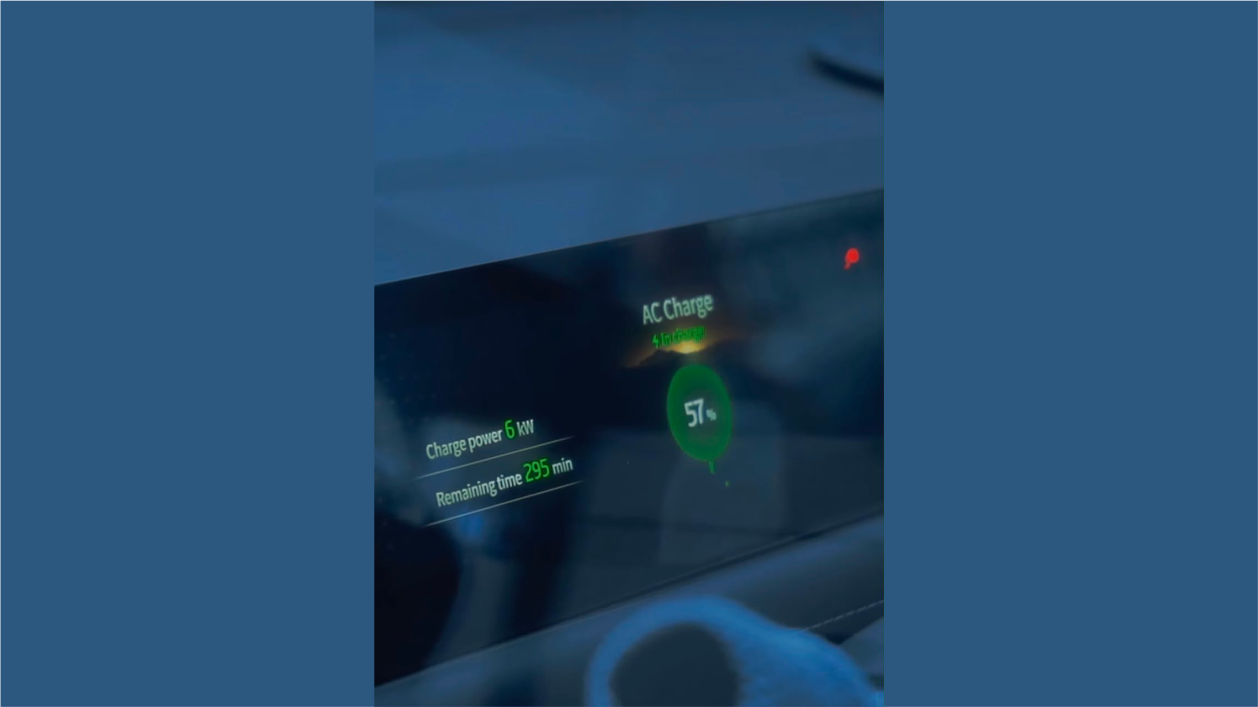
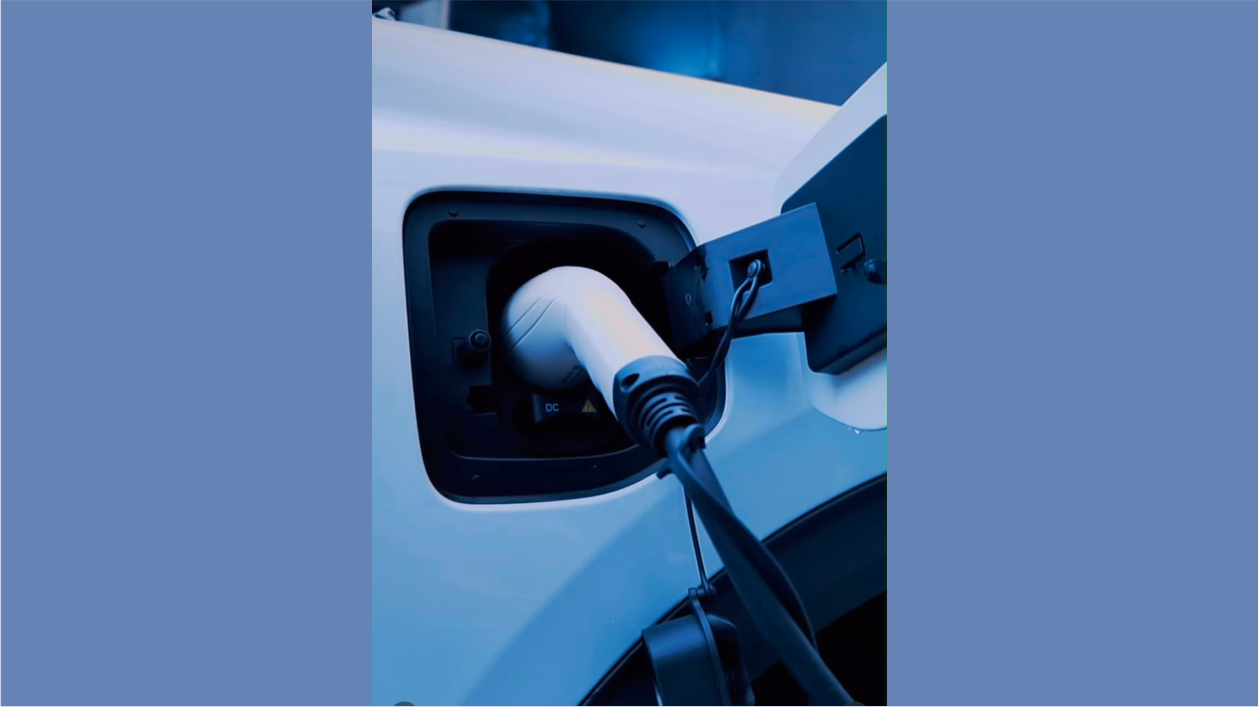
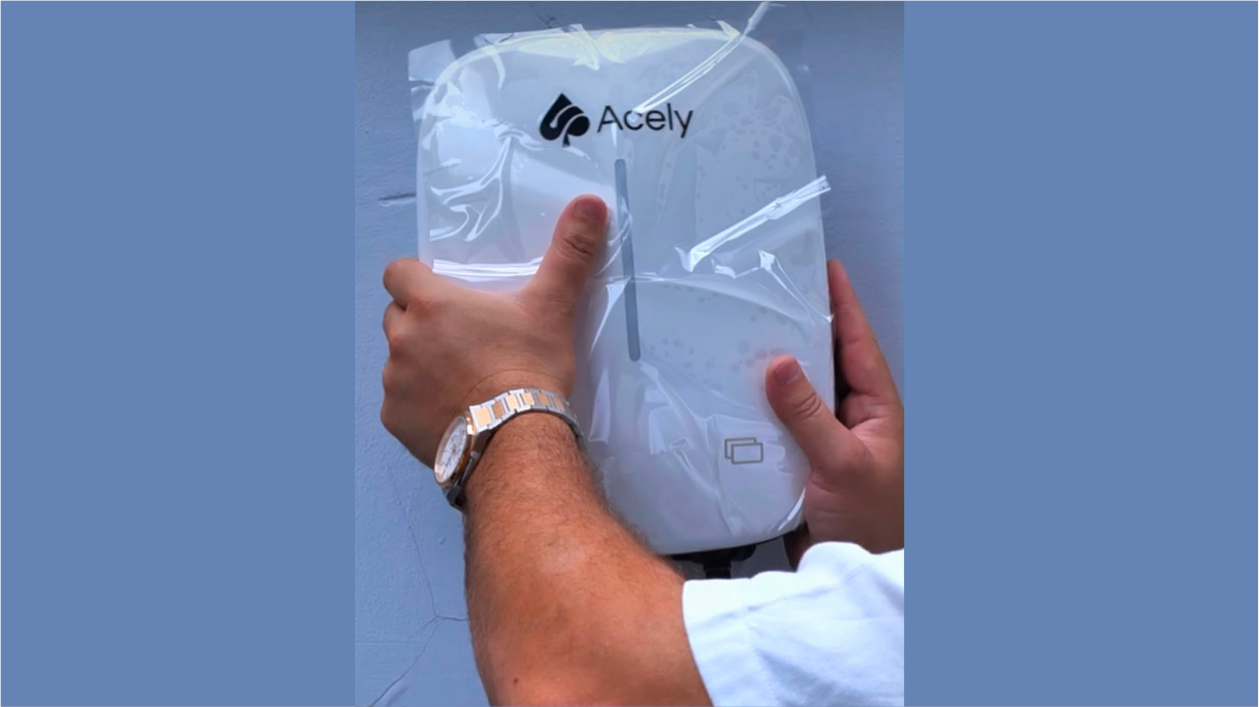
The company’s proposed network is divided into three categories.The largest component would be 100,000 home chargers, allowing vehicle owners to charge primarily where they live. A second layer would consist of 10,000 hotspot chargers at strategic, high-traffic locations, providing motorists with access to charging away from home.

Then there are 110 mega charging stations, designed as high-capacity facilities capable of serving multiple vehicles and providing faster charging.Together, the three tiers are intended to address different parts of the EV journey: overnight charging at home, convenient public charging and rapid charging for longer-distance travel. The proposal forms part of a wider investment programme that Hybrid Motors has described as worth about $95 million for Nigeria’s clean-mobility sector.


Building The Car And Network

The charging strategy is inseparable from Hybrid Motors’ manufacturing ambitions. The company has announced plans for EV manufacturing facilities in Lagos and Abuja, with a combined eventual production capacity of up to 70,000 vehicles annually.

The programme is being developed with Chinese automotive engineering company Launch Design Shanghai. Hybrid Motors has said construction is underway, with a factory unveiling targeted for the first quarter of 2027 and initial production expected to begin at a smaller scale before moving toward full capacity.

At the centre of the programme is Acely, which the company says is being developed with Nigerian conditions in mind — from road conditions and climate to consumer requirements. That distinction is important in a market where electric vehicles cannot simply be treated as imported versions of products designed for entirely different environments.

The Financing Question

But even a vehicle designed for Nigerian roads and supported by charging infrastructure faces another obstacle: affordability. Electric vehicles generally require significant upfront investment, even when their operating costs can be lower over time.

Hybrid Motors has therefore indicated plans for a vehicle-financing platform offering loans at single-digit interest rates, an attempt to address the financing gap that could otherwise limit adoption to wealthier consumers and institutional buyers.

The proposition is straightforward: cheaper financing could make the difference between an EV remaining an attractive technology and becoming an attainable means of transportation.

The Test Is Delivery

The scale of Hybrid Motors’ proposal also makes execution the central question. Building 100,000 charging points is fundamentally different from announcing them. It requires land, electricity connections, equipment, maintenance networks, software, payment systems and reliable power.

The same challenge applies to the proposed manufacturing plants and mega charging stations. Hybrid Motors’ plans therefore represent both an industrial ambition and a test of whether Nigeria can develop the supporting infrastructure needed for electric mobility at scale.

If delivered, the network could change the practical economics of owning an EV in Nigeria. If delayed, the country’s charging shortage could remain one of the principal barriers to mass adoption.

For now, the company is betting that the future of Nigerian mobility will require more than electric cars. It will require an entire ecosystem built around them. And in Nigeria’s emerging electric-vehicle market, that infrastructure race may prove just as important as the race to put the cars on the road.

Ekocity Business & Energy Desk



Fawumi Kayode Abiodun

Political Analyst | CEO, Ekocity Media | Publisher, Ekocity Magazine and The Capitol Post

Add a Comment

Your email address will not be published. Required fields are marked *