

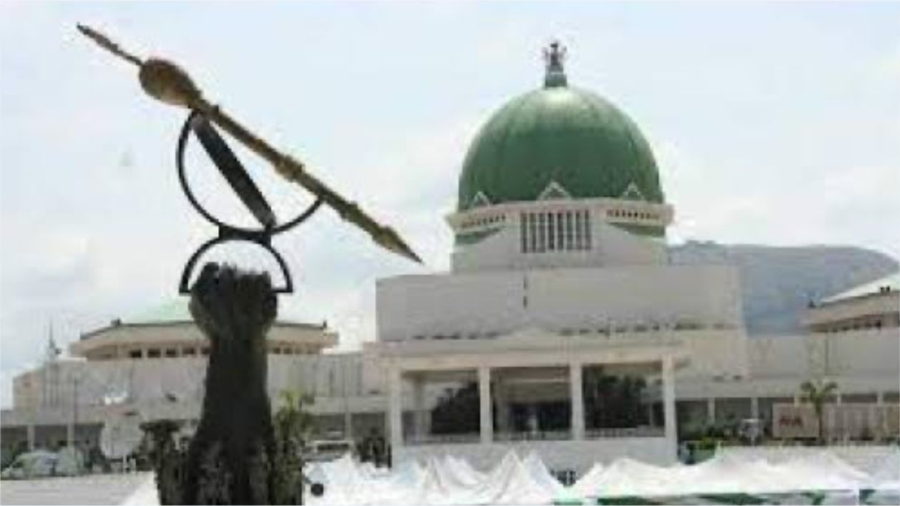
NASS Resumes Plenary Today, Begins Scrutiny of Tinubu’s N58.47trn 2026 Budget
The National Assembly will today resume plenary sessions, with lawmakers returning to legislative business amid heightened expectations over critical national issues, including the scrutiny of President Bola Ahmed Tinubu’s N58.47 trillion 2026 budget proposal and far-reaching amendments to Nigeria’s electoral laws.
With both chambers reconvening after the recess, top on the agenda is the detailed examination of the 2026 Appropriation Bill, which outlines the Federal Government’s spending priorities for the coming fiscal year. Lawmakers are expected to engage in rigorous debates on allocations to key sectors such as security, infrastructure, education, healthcare, and social welfare, as well as projections on revenue generation and fiscal sustainability.
Beyond the budget, the National Assembly will also intensify work on proposed reforms to Nigeria’s electoral framework. The amendments are aimed at strengthening the credibility of elections, addressing gaps observed in previous polls, and improving the overall democratic process ahead of future general elections.
Speaking ahead of the resumption, Senate Leader, Senator Opeyemi Bamidele, disclosed that both the Senate and the House of Representatives are committed to accelerating the ongoing review of the 1999 Constitution. According to him, the constitutional amendment process has reached an advanced stage, with lawmakers determined to meet agreed timelines.
Senator Bamidele assured Nigerians that the revised constitution would be finalised and transmitted to the 36 state Houses of Assembly for consideration before the end of the first quarter of 2026, in line with constitutional requirements.
He noted that the constitutional review covers critical national concerns, including restructuring, devolution of powers, local government autonomy, judicial reforms, and other issues central to Nigeria’s governance and stability.
As plenary resumes, political observers expect intense legislative activity in the coming weeks, with decisions taken at the National Assembly likely to have far-reaching implications for Nigeria’s economy, democracy, and governance framework.
Blessing Anolaba
Editorial & Creative Correspondent
A storyteller and journalist passionate about telling stories for policy change and impact.
Add a Comment