

Abuja Floods: When the Rain Comes, Livelihoods Go Under
For residents of Nigeria’s capital, the rainy season is increasingly becoming a season of uncertainty.
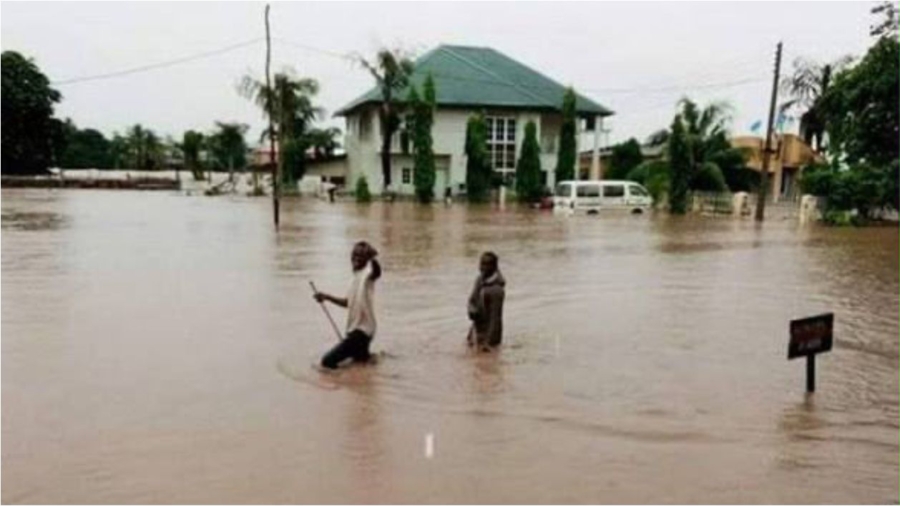
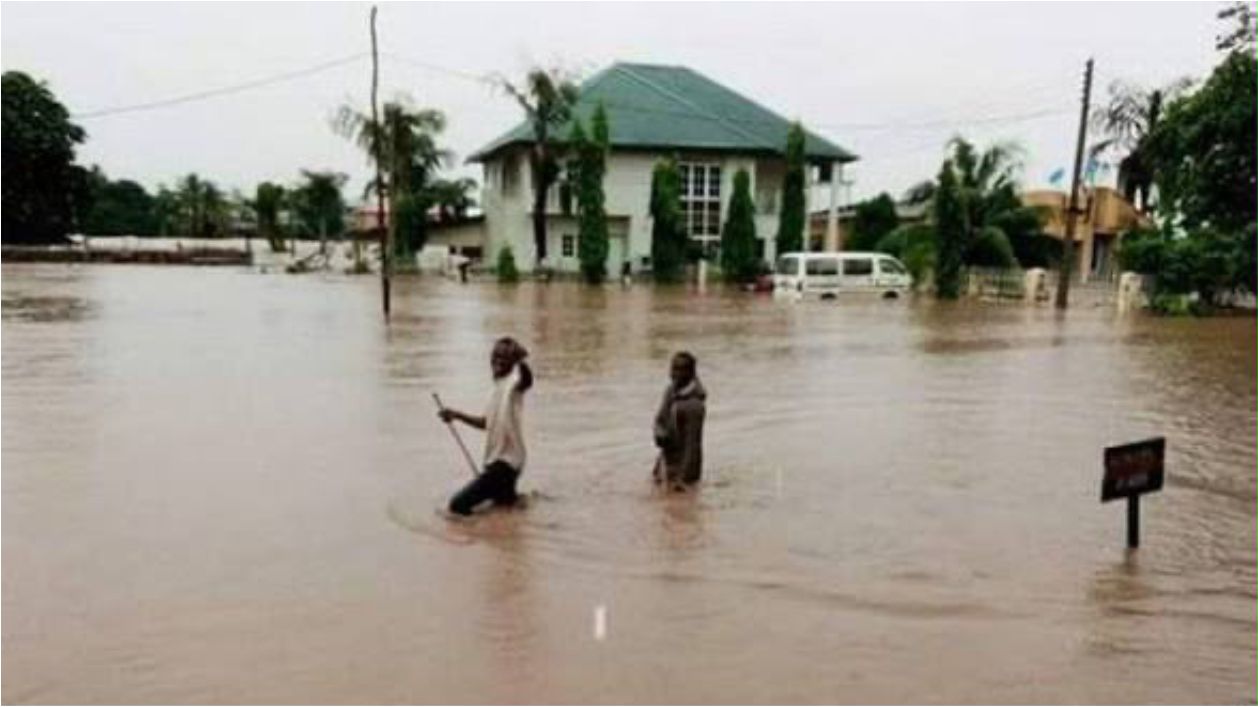
Heavy downpours in recent weeks have left parts of Abuja submerged, disrupting movement, damaging property and raising fresh concerns about the city’s drainage infrastructure and rapid urban development.
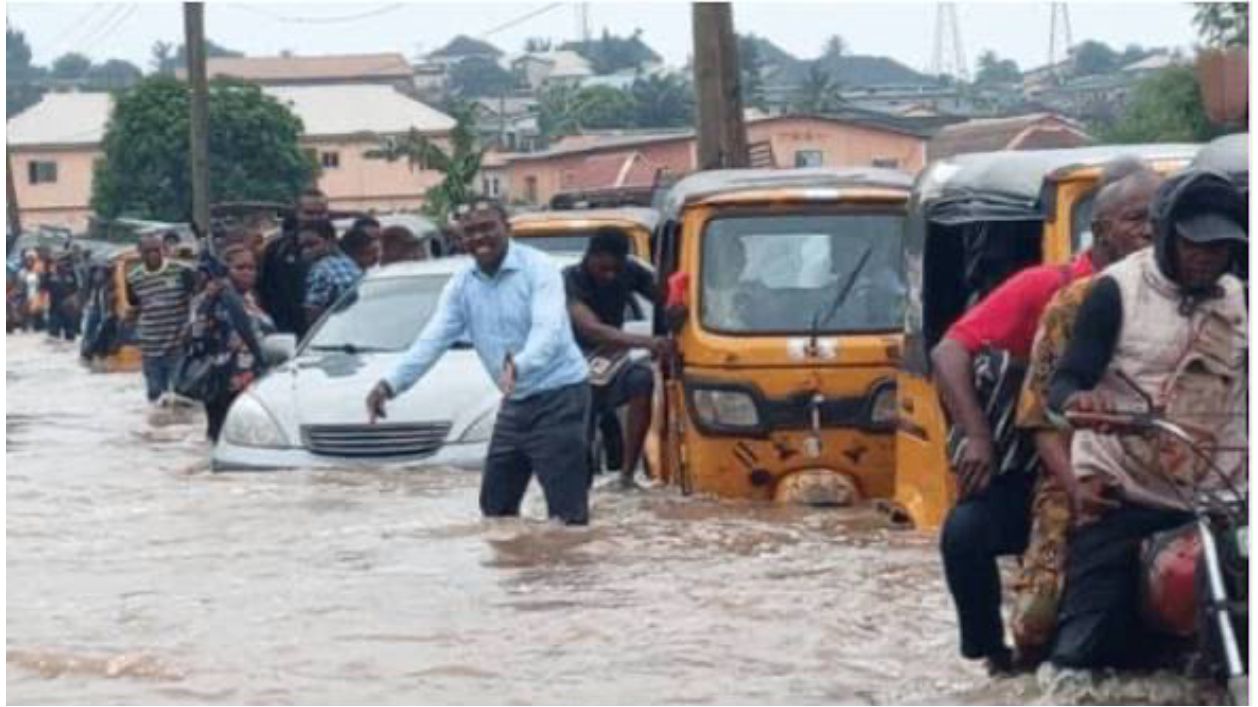
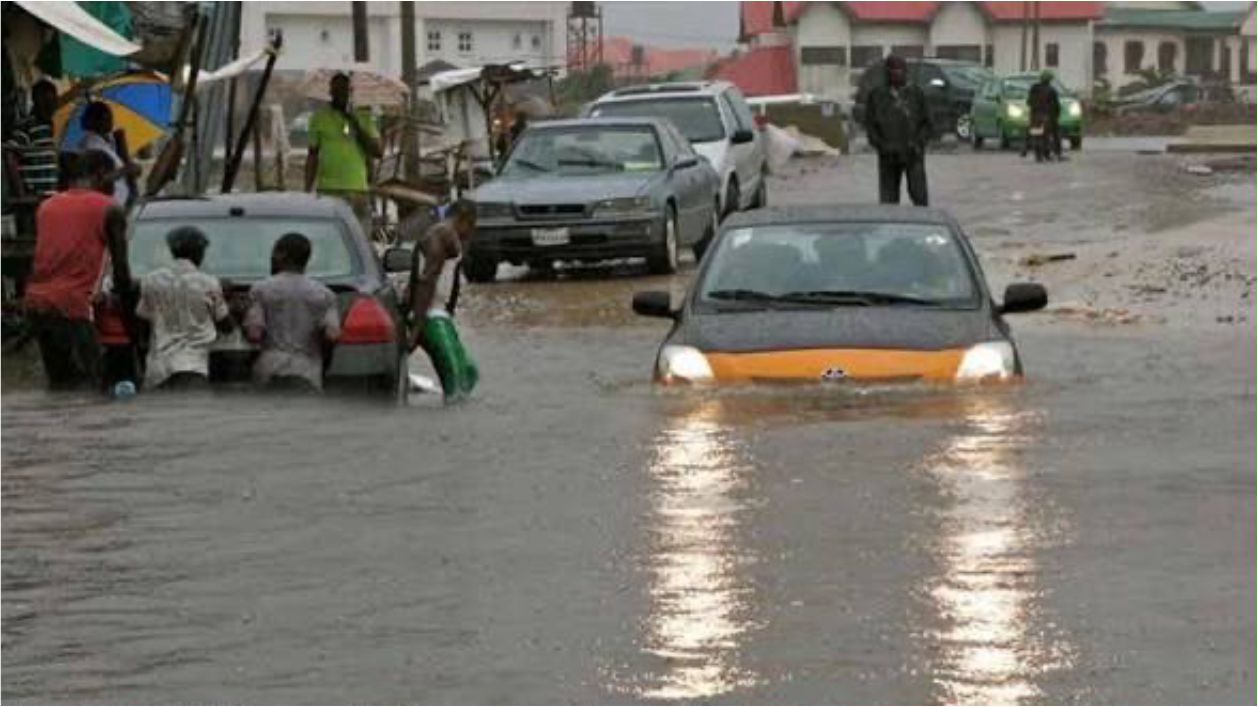
Areas including Maitama, Wuye, Wuse, Lokogoma, the Airport Road corridor and other parts of the Federal Capital Territory have experienced flooding, with residents reporting flooded roads, stranded vehicles and water entering homes and business premises.
But beyond the images of submerged roads and vehicles, the flooding is taking a quieter toll: livelihoods are being disrupted.
For traders, a flooded road can mean a day without customers. For workers, it can mean hours spent trying to navigate blocked routes or being unable to get to work altogether. Small businesses face the risk of damaged equipment and goods, while residents whose homes are affected are left with the additional cost of repairs and replacement.
Landlords, business owners and residents have consequently called for urgent action, saying communities that did not previously experience flooding on this scale are increasingly vulnerable.
Who is responsible?
The latest flooding has also triggered a heated debate over the role of the Federal Capital Territory Administration and its infrastructure and development projects under FCT Minister Nyesom Wike.
Some residents and critics have questioned whether Abuja’s rapid expansion, construction and changes to natural drainage routes are contributing to the problem.
There have been particular concerns over the development of areas previously serving as green spaces, drainage corridors and waterways. Residents in some affected communities have alleged that the obstruction or alteration of natural water channels has worsened flooding.
In Maitama Extension, for example, residents have blamed the flooding on the obstruction of a major canal, alleging that development in the area has reduced the channel available for stormwater.
These claims have intensified scrutiny of the FCT Administration and its approach to urban development.
However, there is currently no evidence to establish that Wike’s projects alone are responsible for Abuja’s flooding.
Wike: Illegal structures and blocked waterways are the problem
Wike has rejected the suggestion that the flooding should simply be blamed on his administration.
Following the flooding, the minister ordered the removal of structures obstructing waterways and threatened to demolish buildings constructed on designated drainage channels.
He argued that some developments had violated Abuja’s planning regulations and that buildings constructed on waterways were preventing rainwater from flowing as intended.
The minister also acknowledged that climate change and unusually heavy rainfall were contributing factors, while insisting that human activities had worsened the situation.
The FCT Administration has also identified blocked drainage systems, indiscriminate waste disposal and vandalism of drainage infrastructure as contributing factors.
Following the latest flooding, authorities began a city-wide desilting exercise, including the clearing of drainage channels and culverts along major routes.
But residents are paying the price
Whatever the cause, the consequences are being felt by ordinary residents.
Flooding is not simply about water covering a road. It can mean lost income, damaged property, disrupted education, missed appointments, delayed deliveries and additional transportation costs.
For people who earn their income daily, losing several hours or an entire working day can have an immediate financial impact.
For businesses located along affected roads, repeated flooding can also discourage customers and damage stock.
And for families whose homes are affected, the financial burden can continue long after the water recedes.
This is why residents say the conversation needs to move beyond the immediate response after every major rainfall.
Abuja’s bigger planning problem The flooding has exposed a larger question about how Abuja is being developed.
The city was originally designed around carefully planned districts, road networks, green spaces and drainage systems. But Abuja has expanded rapidly, with new residential estates, commercial developments and infrastructure projects transforming the landscape.
The challenge is whether the city’s drainage and environmental systems are expanding at the same pace.
There are also questions about enforcement.
If buildings are being approved or allowed to remain on waterways, flood channels or other environmentally sensitive areas, who approved them? Who monitored compliance? And why are some of these problems only being addressed after communities have flooded?
Those questions are particularly important because the FCT Administration itself has now acknowledged that structures obstructing waterways can worsen flooding.
Beyond the blame game
The temptation after every flood is to find a single culprit.
Residents blame the government. Government officials blame illegal structures and waste disposal. Critics blame rapid urbanisation and questionable development. Others point to climate change and increasingly intense rainfall.
The reality may be a combination of all these factors.
But one thing is becoming increasingly difficult to ignore: Abuja’s flooding is no longer simply a problem that can be treated as an unfortunate consequence of heavy rain.
It is a question of urban planning, drainage capacity, environmental protection, development control and accountability.
The FCT Administration has begun clearing drains and taking action against structures identified as obstructing waterways. The real test, however, will be whether those measures prevent the same communities from flooding again when the next major rainfall comes.
Because when the rain falls, the consequences are not political.
They are personal.
A flooded road can cost someone a day’s wages.
A flooded shop can wipe out a trader’s stock.
A flooded home can consume a family’s savings.
For Abuja’s residents, the question is therefore no longer simply who caused the flood?
It is who is responsible for ensuring that the next rainfall does not become another disaster?
Blessing Anolaba
Editorial & Creative Correspondent
A storyteller and journalist passionate about telling stories for policy change and impact.
Add a Comment