

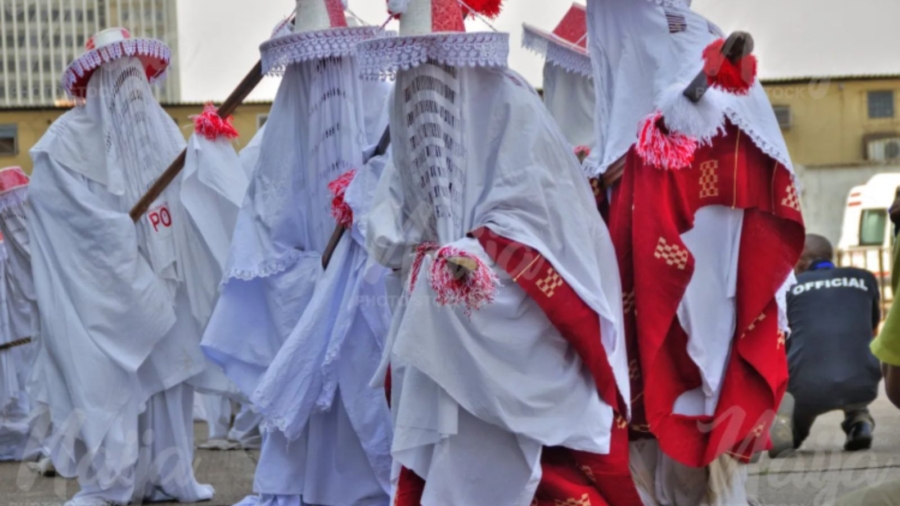
Eyo Festival: The Living Spirit of Lagos
Few events capture the soul of Lagos like the Eyo Festival. More than a celebration, Eyo is a living tradition—an ancestral pageantry that binds history, spirituality, and identity into a spectacle uniquely synonymous with Lagosians. Often referred to as the Adamu Orisha Play, the Eyo Festival stands as one of the oldest and most revered cultural events in Nigeria, symbolizing the heartbeat of the ancient city of Lagos.
Traditionally held to commemorate the passage of an Oba (king), celebrate the installation of a new Oba, or honor a significant occasion in the life of the state, the Eyo Festival transforms Lagos Island into a moving canvas of white. Thousands of Eyo masquerades, clad in flowing white agbada-like attire, wide-brimmed hats (Aga), and carrying the iconic Opambata staff, parade through historic routes from Idumota to Iga Idunganran, the palace of the Oba of Lagos.
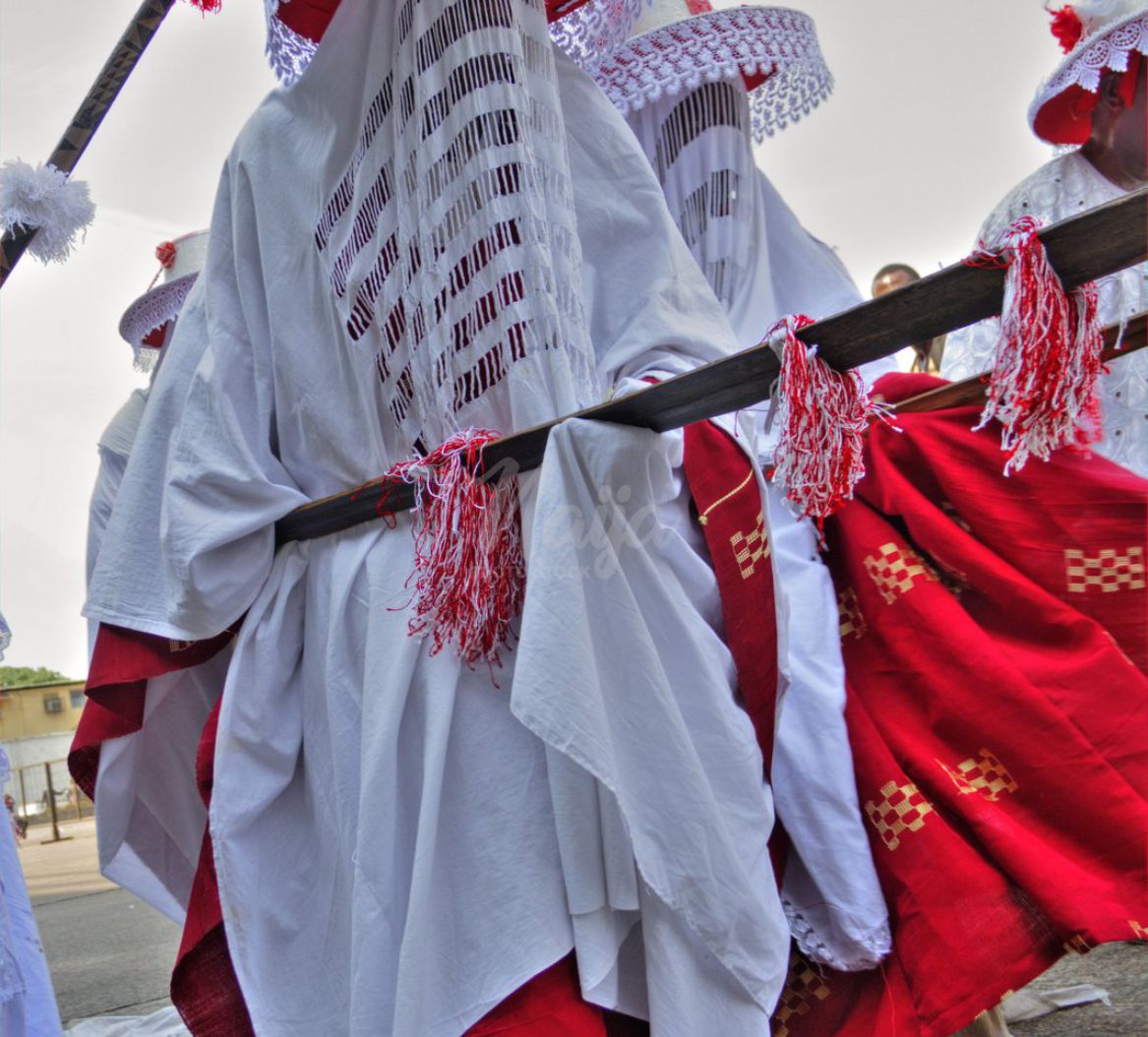
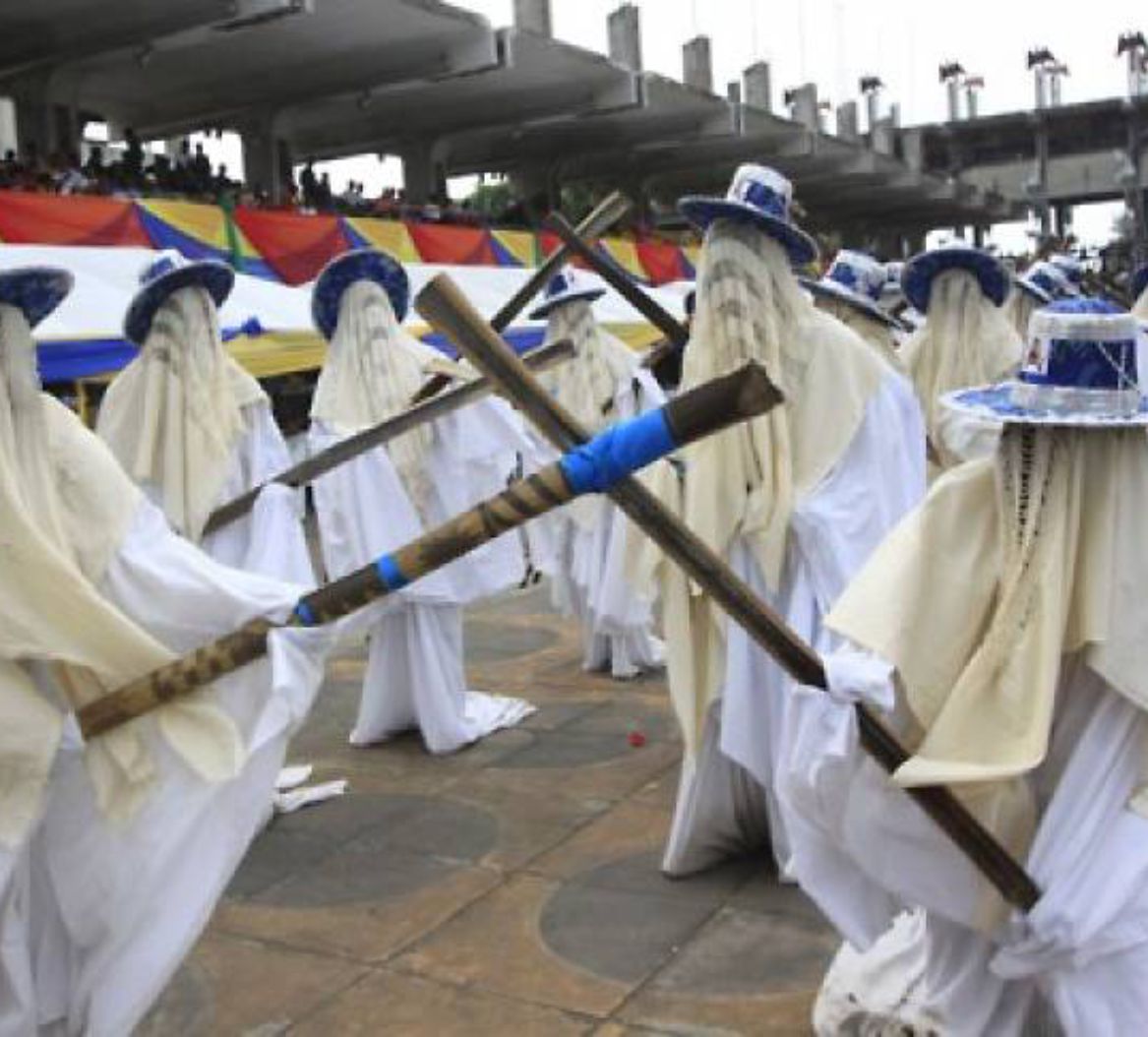
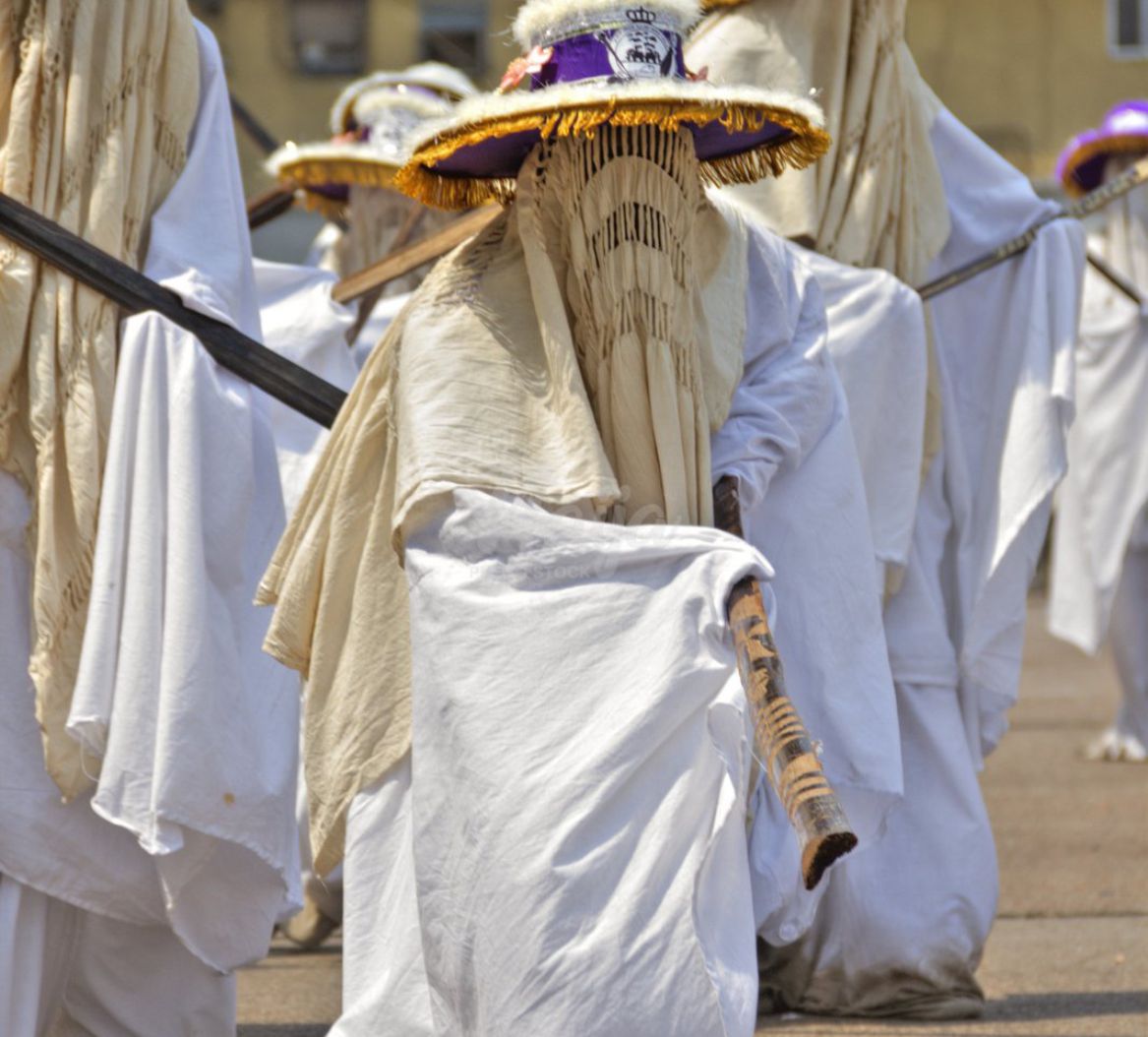
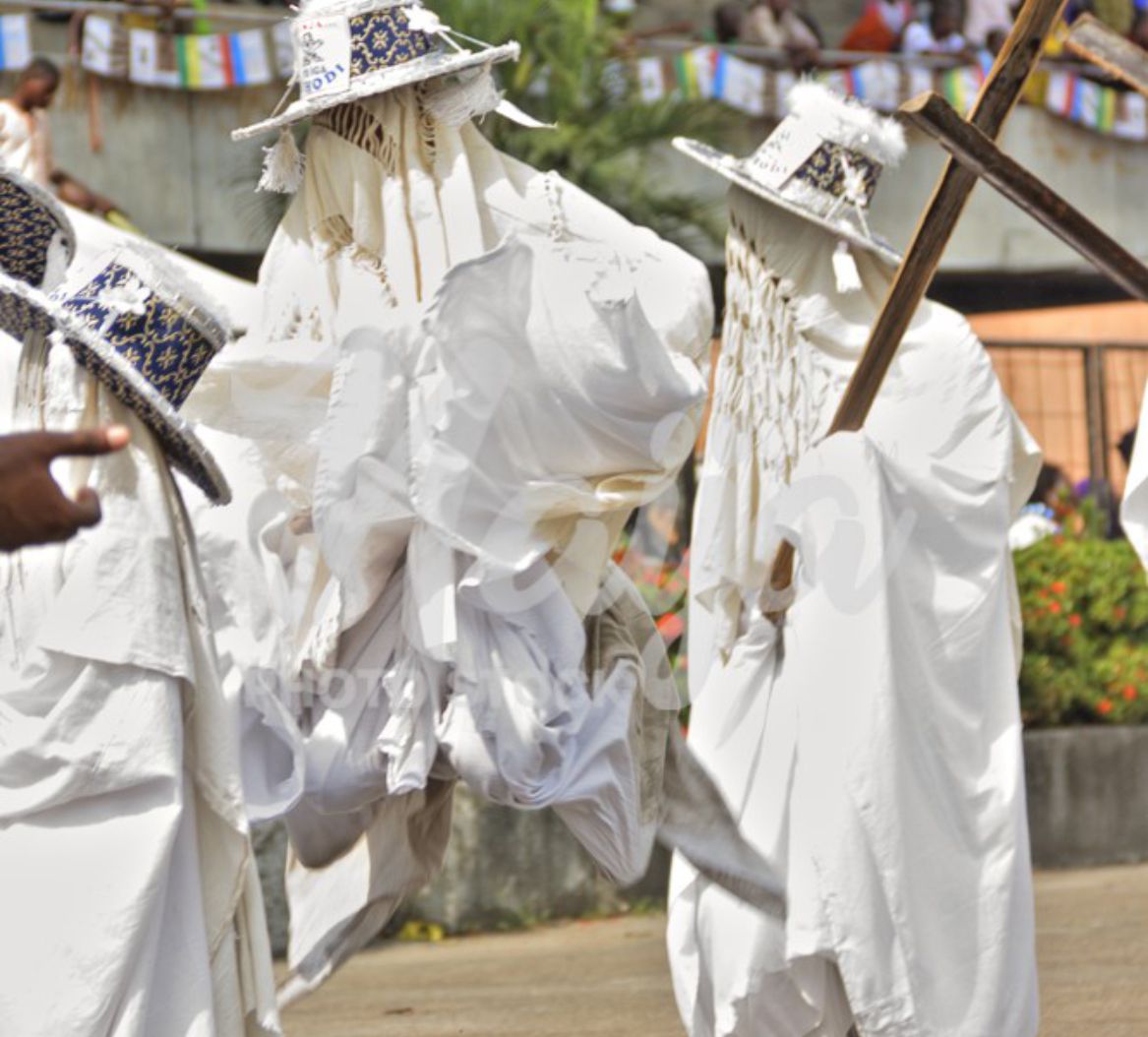
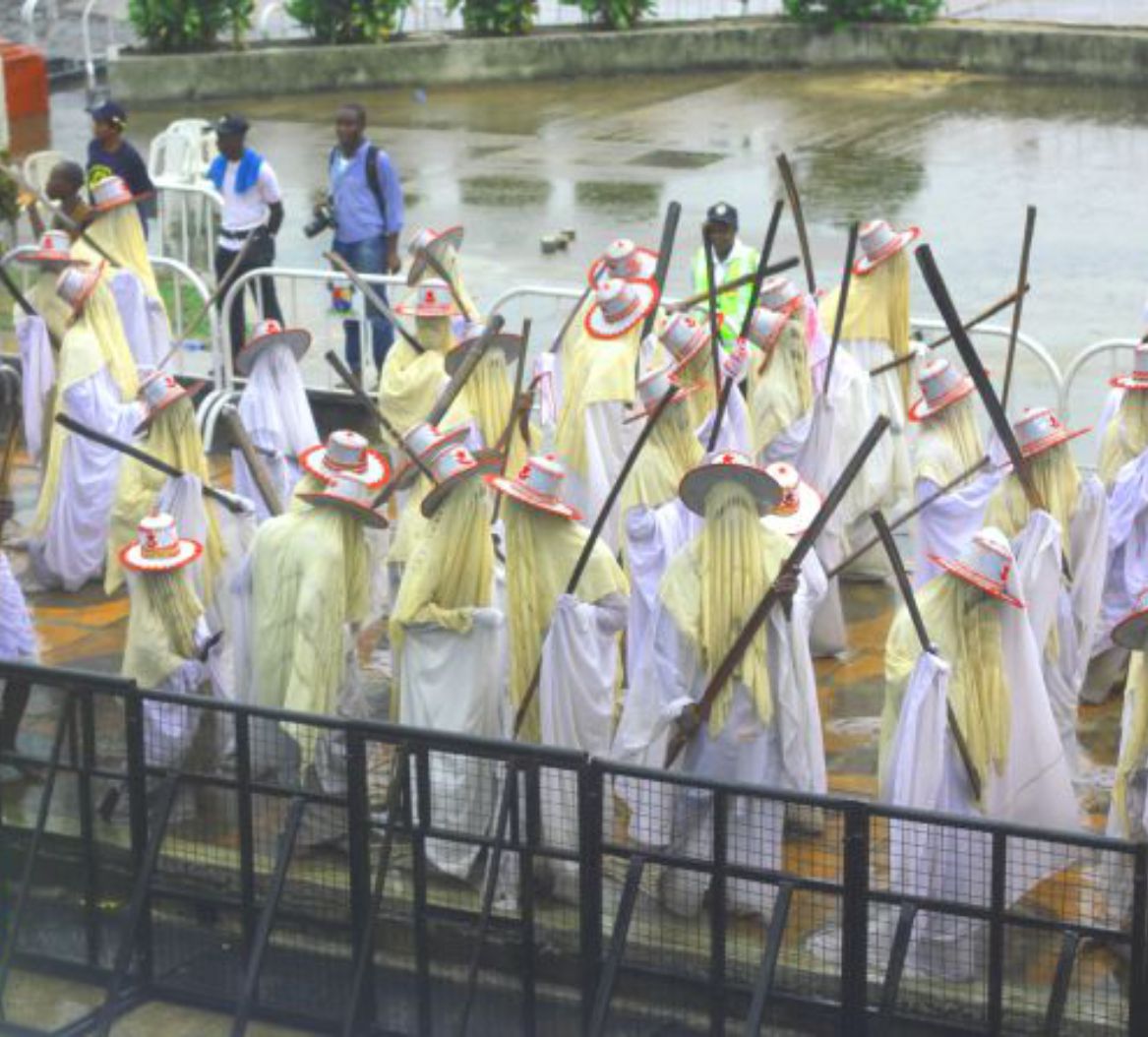
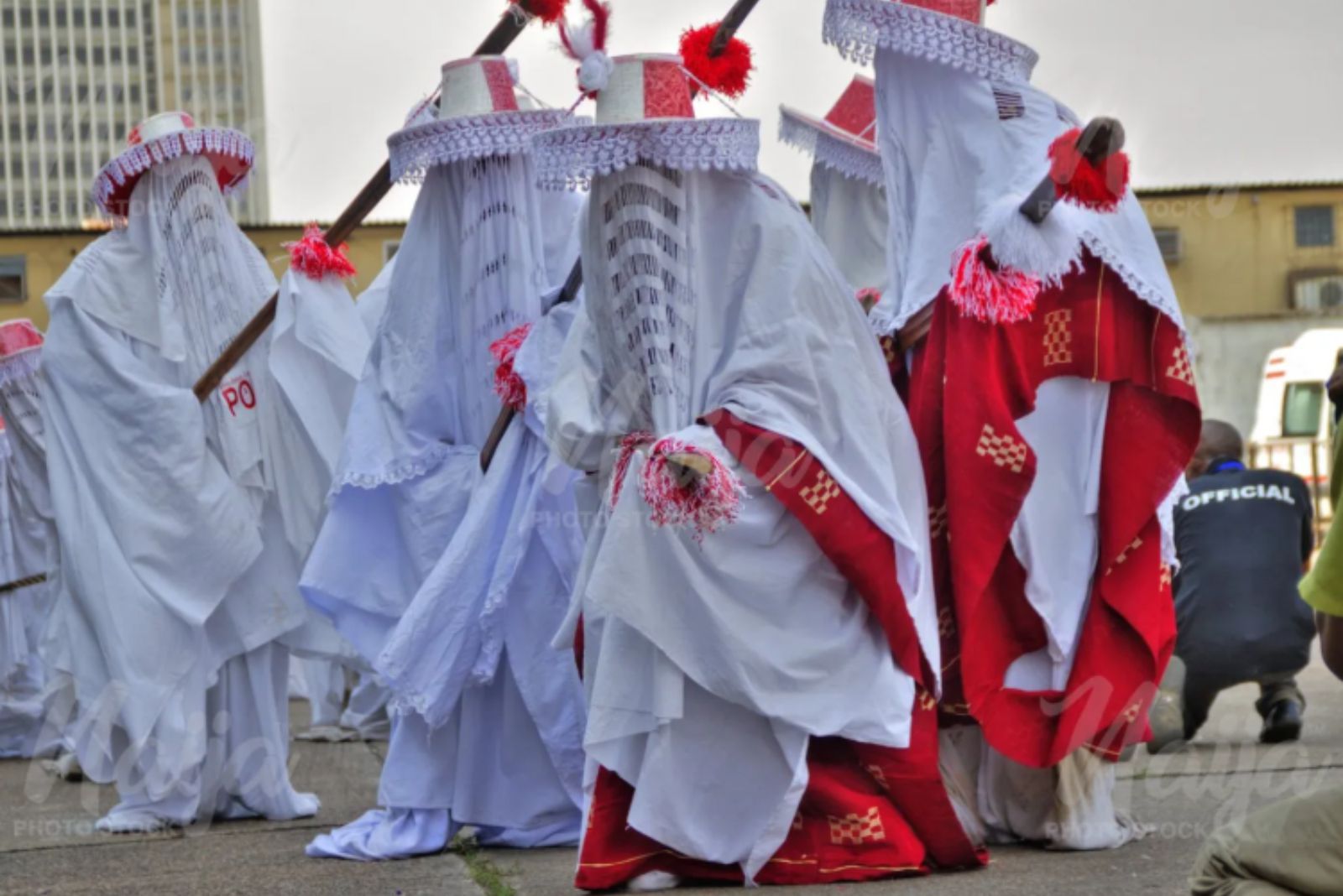
For Lagosians, Eyo is more than spectacle—it is heritage in motion. The chants, the rhythmic footsteps, and the solemn yet celebratory mood evoke the city’s deep-rooted connection to its Awori-Yoruba origins. Each Eyo group represents a lineage or chieftaincy house, reinforcing communal bonds and respect for hierarchy, tradition, and order.
Speaking at the event ground, Governor Babajide Sanwo-Olu eulogised all Lagos State Local Government and Local Council Development Area (LCDA) chairmen for their strong presence and active participation, describing their turnout as a demonstration of unity, cultural pride, and grassroots commitment to preserving Lagos’ rich heritage. The Governor noted that their collective presence underscored the importance of culture as a unifying force across all levels of governance in the state.
What makes the Eyo Festival particularly special is its unifying power. In a city known for its speed, diversity, and modern chaos, Eyo creates a rare pause—bringing indigenes, residents, and visitors together in shared reverence. It is a moment when Lagos remembers who it is, beyond skyscrapers and traffic, reconnecting with its spiritual and cultural foundations.
Today, the Eyo Festival also stands as a global cultural attraction, drawing tourists, historians, creatives, and the African diaspora eager to witness an authentic expression of Yoruba tradition. Yet, despite global attention, it remains deeply personal to Lagosians—a proud reminder that beneath the city’s modern edge lies an ancient soul.
In every step of the Eyo masquerade, Lagos tells its story: resilient, ceremonial, communal, and timeless. The Eyo Festival is not just an event in Lagos—it is Lagos itself.
Add a Comment