

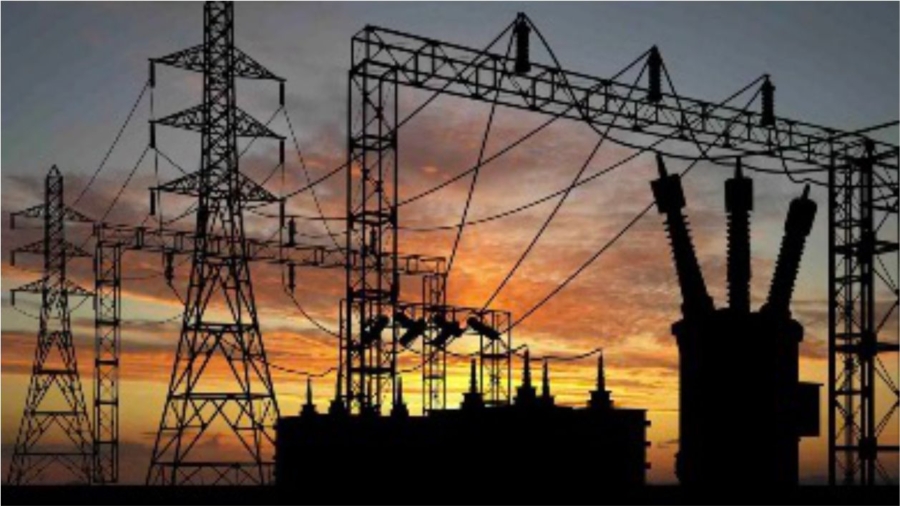
Nigerians Brace for More Blackouts as Power Sector Debt Deepens
Millions of Nigerians may soon face even longer hours without electricity as gas suppliers have threatened to halt gas supply to power generation companies over an outstanding debt of about ₦3.3 trillion. The warning has sparked renewed fears of persistent nationwide blackouts, raising concerns about the already fragile power sector and the growing burden on ordinary citizens.
Gas is the backbone of Nigeria’s electricity generation. Most of the country’s power plants depend heavily on gas to produce electricity that is transmitted across the national grid. When gas supply is disrupted, power generation drops sharply, and the result is immediate: blackouts across homes, businesses, and industries.
The current standoff between gas suppliers and stakeholders in the power sector stems from years of unpaid debts owed to gas producers. These debts have accumulated over time due to structural problems in Nigeria’s electricity market, including revenue shortfalls, tariff gaps, and poor remittances within the power value chain. Gas suppliers argue that continuing to supply fuel without payment is no longer sustainable.
If gas producers follow through with their threat to halt supply, the consequences could be severe. Power generation in Nigeria has long struggled to meet demand, and any reduction in gas supply would likely push electricity output even lower. For millions of Nigerians who already experience unreliable electricity, this could translate into longer and more frequent outages.
The impact would be felt most strongly by households and small businesses that rely heavily on electricity for daily activities. Across cities and towns, many Nigerians already supplement unreliable grid power with petrol or diesel generators. However, running generators has become increasingly expensive due to the rising cost of fuel.
For small businesses such as barbershops, tailors, cyber cafés, restaurants, and small manufacturing workshops, persistent blackouts could mean higher operating costs and reduced productivity. Many entrepreneurs are already struggling with inflation and rising energy expenses. Additional power disruptions could force some businesses to cut working hours, raise prices, or shut down entirely.
The situation also has serious implications for essential services. Hospitals, schools, water supply systems, and telecommunications networks all depend on stable electricity. While some institutions have backup power systems, these alternatives are costly and not always reliable for extended periods.
For many households, prolonged blackouts mean more than just inconvenience. It affects food preservation, access to water in areas that depend on electric pumps, and the ability of students to study at night. In urban areas like Abuja, Lagos, and Port Harcourt, where electricity demand is high, residents may be forced to rely even more on expensive generator power to cope.
The looming crisis highlights long-standing structural challenges within Nigeria’s electricity sector. Despite reforms over the past decade, the power industry continues to struggle with financial instability, infrastructure gaps, and governance challenges. Power generation companies, electricity distribution companies, and gas suppliers remain locked in a cycle of unpaid obligations that weakens the entire system.
At the heart of the issue is a persistent mismatch between the cost of producing electricity and the revenue collected from consumers. When tariffs fail to reflect actual costs and distribution companies struggle to recover payments from customers, the financial pressure moves upstream through the value chain until it eventually reaches gas suppliers.
The result is the situation Nigeria now faces: gas producers unwilling to continue supplying fuel without payment, power plants unable to generate electricity without gas, and citizens left to deal with the consequences of an unstable energy system.
For many Nigerians, the possibility of worsening blackouts adds to the growing list of economic pressures they already face. Rising fuel prices, increasing food costs, and inflation have already stretched household budgets. Persistent electricity outages would only deepen these challenges.
Electricity is more than just a utility; it is a foundation for economic growth, job creation, and improved living standards. Without reliable power, businesses struggle to expand, industries operate below capacity, and communities face daily disruptions.
As the dispute over the N3.3 trillion debt unfolds, many Nigerians are watching closely and hoping that stakeholders in the power sector can reach a resolution before the country is plunged into yet another period of prolonged darkness. For millions of citizens who already endure unreliable electricity, the prospect of even more blackouts is a reminder that Nigeria’s power crisis remains far from resolved.
Blessing Anolaba
Editorial & Creative Correspondent
A storyteller and journalist passionate about telling stories for policy change and impact.
Add a Comment