

Nigerians Set Up Independent Election Watchdog Amid Rising Demands for Transparency
A coalition of civil society actors and concerned citizens has announced the formation of a new independent election monitoring initiative, IREV, aimed at strengthening transparency and accountability in Nigeria’s electoral process ahead of upcoming polls.
According to the organisers, the initiative will deploy a network of observers across the country to independently track voting activities, collate field data, and document electoral proceedings in real time. They say the process will involve extensive use of photography, video documentation, and digital reporting tools to capture events at polling units and collation centres, creating an alternative layer of verification alongside official results.
The group explained that findings from the monitoring exercise will be shared widely, both locally and internationally, with reports expected to be disseminated through major global media platforms including CNN and Al Jazeera. This, they noted, is part of a deliberate effort to ensure global visibility and scrutiny of Nigeria’s electoral process.
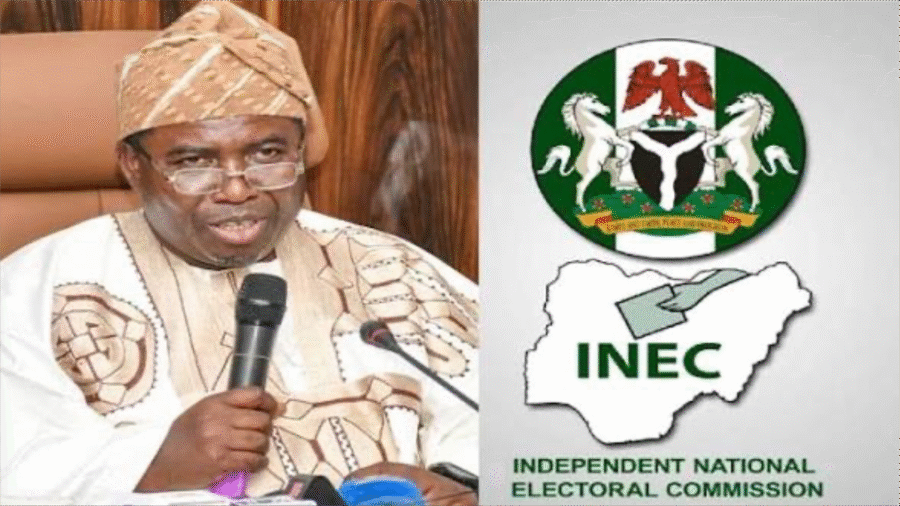
Organisers stressed that while the Independent National Electoral Commission (INEC) will continue to carry out its constitutional mandate, the creation of IREV reflects growing public frustration over recurring allegations of electoral malpractice, vote manipulation, and lack of transparency in past elections. They argued that citizen-led oversight is necessary to rebuild trust and reinforce the credibility of election outcomes.
“We are not replacing the electoral body,” one organiser stated, “but complementing it with independent verification that ensures every vote counts and is seen to count—not just locally, but in the eyes of the international community.”
The initiative is also expected to leverage digital platforms to publish real-time updates, allowing citizens, observers, and stakeholders to track developments as they unfold. By creating a parallel reporting structure, the organisers hope to deter irregularities and provide credible evidence in cases of dispute.
Political analysts say the emergence of such citizen-driven monitoring efforts signals a shift in civic engagement, particularly among young Nigerians who are increasingly using technology and collective action to demand accountability. However, they also caution that the success of the initiative will depend on its ability to maintain neutrality, ensure data accuracy, and operate within the legal framework governing elections.
Security and access remain potential challenges, especially in areas prone to violence or logistical constraints. Nonetheless, organisers insist that adequate measures are being put in place to protect volunteers and ensure the integrity of the data collected.
As preparations for the elections intensify, the launch of IREV adds a new dimension to Nigeria’s democratic landscape—one that reflects both deep-seated concerns about electoral integrity and a growing determination among citizens to safeguard the process through independent oversight.
Blessing Anolaba
Editorial & Creative Correspondent
A storyteller and journalist passionate about telling stories for policy change and impact.
Add a Comment