

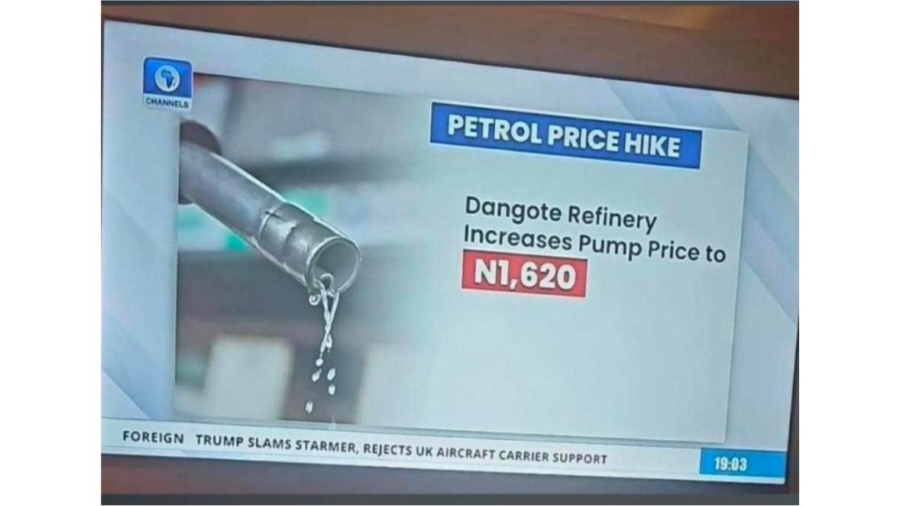
Rising Fuel Prices Are Deepening Hardship for Citizens
The rising cost of petrol in Nigeria continues to reshape everyday life, and in Abuja the effects are particularly visible. On March 4, 2026, the pump price of petrol increased to about ₦960 per litre in the Federal Capital Territory, up from around ₦875 per litre. Within days, prices at some filling stations rose even higher, crossing ₦1,000 per litre. For many residents of the capital city, this increase is not just another economic adjustment. It is a development that directly affects how people move, eat, work, and survive.
In Abuja, fuel plays a central role in daily living. Transportation, food distribution, small businesses, and even electricity supply in many homes depend heavily on petrol or diesel. When fuel prices rise, the consequences spread quickly across the city. Public transportation fares are often the first to change. Many commuters now pay significantly higher fares than they did only a few weeks ago. A journey that previously cost a few hundred naira now costs nearly double in some cases. For residents who travel daily from satellite towns such as Kubwa, Nyanya, Lugbe, and Mararaba into the city centre for work, transportation alone now consumes a large portion of their income.
For many workers, this means making difficult financial decisions. Some now leave home earlier in search of cheaper transportation options, while others limit their movements or combine multiple errands into a single trip to save money. The rising cost of fuel has effectively reduced mobility for many people in the city.
The impact is even more visible in Abuja’s markets. Most food items consumed in the city are transported from farms in other parts of Nigeria. These goods travel long distances by road, and the cost of transportation is heavily influenced by fuel prices. When petrol becomes more expensive, the cost of moving goods rises, and traders inevitably pass that cost on to consumers.
As a result, food prices across Abuja continue to climb. Staple items such as rice, beans, garri, tomatoes, peppers, and yam are becoming increasingly expensive. For families already struggling with inflation and stagnant incomes, feeding a household is becoming more difficult. What many households could comfortably afford months ago now requires careful budgeting or, in some cases, sacrifice.
Small businesses are also feeling the strain. Across Abuja, thousands of small enterprises rely on petrol-powered generators because of unreliable electricity supply. When petrol prices increase, their operating costs rise immediately. Food vendors, barbers, tailors, small restaurants, and neighbourhood shops must now spend more money just to keep their businesses running. Some have been forced to increase the prices of their goods and services, while others are reducing their operating hours in order to cut fuel expenses. For businesses already operating on thin profit margins, these changes threaten sustainability.
The broader reality is that Abuja residents are facing a deepening cost-of-living crisis. Salaries have not increased at the same pace as rising expenses, and many households are struggling to adjust. Civil servants, artisans, traders, and young professionals alike are feeling the pressure of rising transport fares, higher food prices, and increased daily expenses.
What makes the situation particularly frustrating for many Nigerians is that the country is one of the world’s major oil producers. Yet the cost of petrol continues to rise in ways that place heavy burdens on ordinary citizens. For residents of Abuja, the issue is not simply about global oil markets or economic policy decisions. It is about the daily reality of stretching limited income to cover essential needs.
Behind the numbers are human stories that rarely make headlines. There is the civil servant who now spends nearly half of their monthly income on transportation. There is the market trader struggling to restock goods because transporters have increased their charges. There is the small business owner who must decide whether to run a generator for a few more hours or close early to save fuel.
These are the everyday consequences of rising fuel prices. While long-term solutions such as improving domestic refining capacity and strengthening economic stability are often discussed, the immediate reality for many Abuja residents remains one of adjustment and hardship.
As fuel prices continue to rise, the burden is carried not by economic statistics but by the people who must find ways to cope with the cost every single day.
Blessing Anolaba
Editorial & Creative Correspondent
A storyteller and journalist passionate about telling stories for policy change and impact.
Add a Comment