

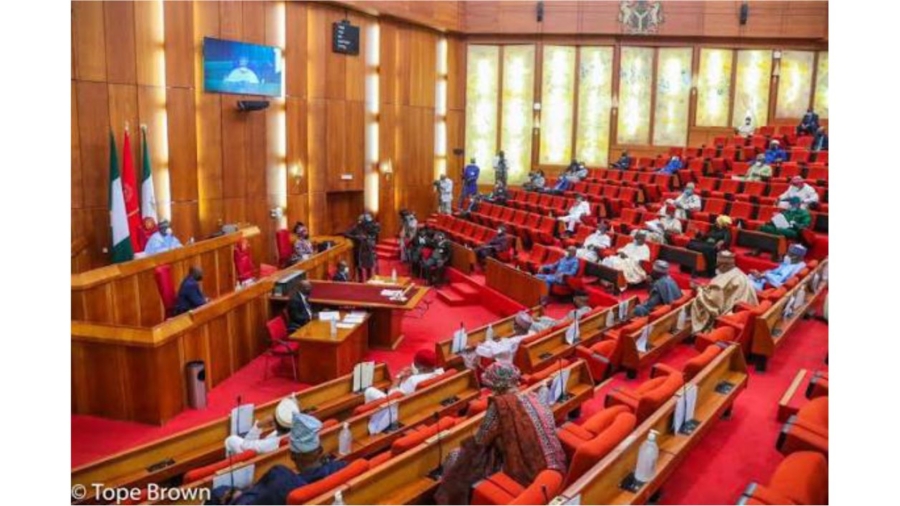
The Nigerian Senate has reconsidered its position on a key electoral reform provision, reaffirming support for the electronic transmission of election results following intense public outcry from civil society groups, labour unions and legal bodies.
The shift comes barely a week after the upper legislative chamber rejected a proposal seeking to make real-time electronic transmission of election results mandatory. The rejected clause would have required election results from polling units to be uploaded immediately after collation, a move widely regarded as critical to enhancing transparency in the electoral process.
The Senate’s earlier decision triggered widespread criticism across the country, with opponents warning that leaving the transmission of results to administrative discretion could weaken accountability and undermine public confidence in elections.
Public dissatisfaction spilled onto the streets on Monday as activists, civil society organisations and opposition figures staged a protest outside the National Assembly in Abuja, demanding that lawmakers reverse their decision and entrench real-time electronic transmission in law.
Labour unions also weighed in, with the Nigeria Labour Congress (NLC) warning that it could mobilise nationwide protests or even call for an election boycott if the provision was excluded from the amended electoral law. Legal organisations, including the Nigerian Bar Association, similarly cautioned that vague provisions in the bill could open the door to legal disputes and contested outcomes in future elections.
In response to the mounting pressure, the Senate on Tuesday agreed to set up a joint committee with the House of Representatives to harmonise differences between their respective versions of the Electoral Act (Amendment) Bill. The committee is expected to reconcile outstanding issues and clarify the legal framework governing the electronic transmission of election results before the bill is forwarded to President Bola Ahmed Tinubu for assent.
Nigeria is gearing up for its next general elections scheduled for February 2027, with President Tinubu expected to seek re-election. Electoral reform advocates argue that making real-time electronic transmission compulsory would significantly boost public trust, curb allegations of result manipulation, and strengthen the credibility of future polls.
Blessing Anolaba
Editorial & Creative Correspondent
A storyteller and journalist passionate about telling stories for policy change and impact.
Add a Comment