

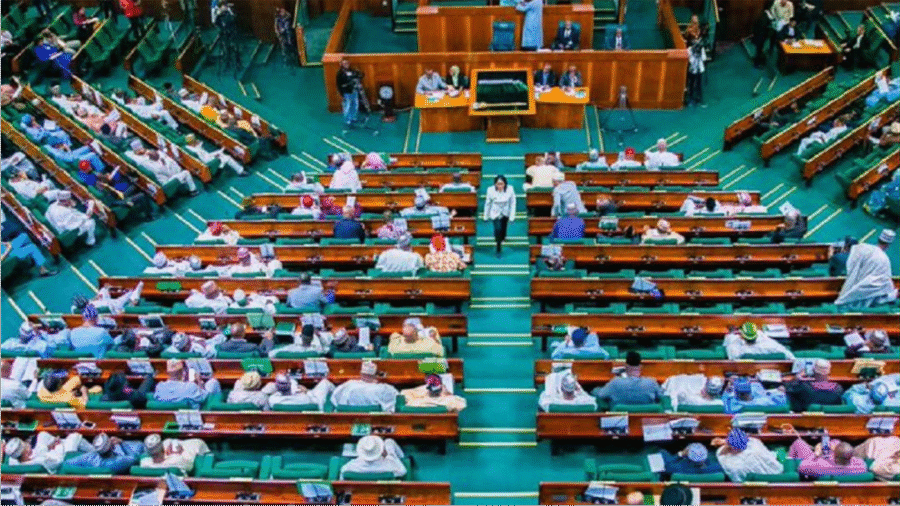
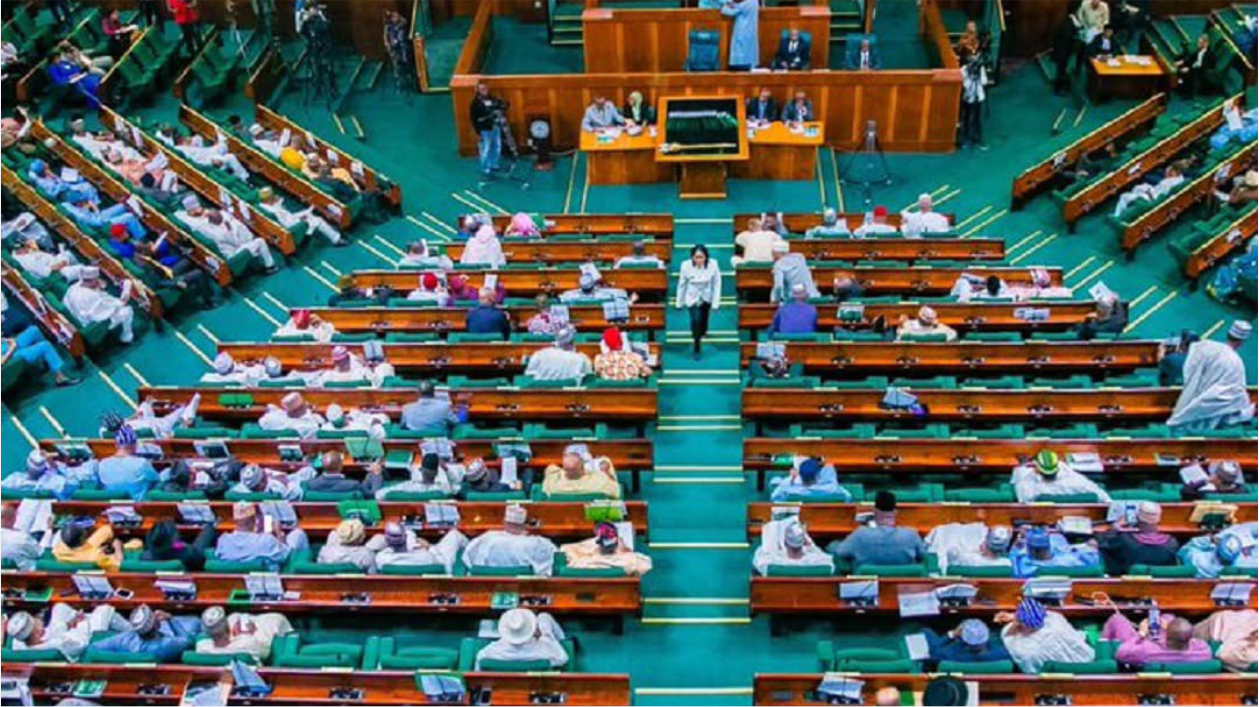

Some reform advocates have long argued that Nigeria’s present constitutional structure is excessively centralised, leaving states dependent on Abuja for responsibilities that could be handled more efficiently at the subnational level. Others warn that constitutional restructuring without stronger institutions could simply move problems from the federal level to state governments.
That debate is now moving into the chambers of the State Houses of Assembly. The timing is also politically significant. Nigeria is heading toward the 2027 general elections, meaning constitutional reform will inevitably be viewed through a political lens. Some proposals may affect the interests of political parties, governors, legislators and other institutions.
That makes transparency particularly important. Citizens should know which provisions are being amended, why they are being amended and what practical consequences the changes could have. A constitutional amendment is not merely a legislative technicality. It can determine who controls resources, who exercises authority and how citizens interact with government. For the states, the current process presents both an opportunity and a responsibility.
Governors and state legislators have frequently demanded greater autonomy from Abuja. Now, the State Houses of Assembly have a direct constitutional role in deciding whether proposed changes move forward. The question is whether they will approach that responsibility as representatives of their political parties—or as custodians of the constitutional future of their states. Nigeria has debated constitutional reform for decades. The latest process offers another opportunity to address structural weaknesses that have repeatedly frustrated governance. But reform should not become an exercise in political engineering. The Constitution belongs to the Nigerian people. As the amendment bills move from Abuja to the states, the country deserves a debate that is open, evidence-based and focused on one fundamental question: Will these amendments make government work better for Nigerians?
That is the standard by which the reform should ultimately be judged.

Fawumi Kayode Abiodun
Political Analyst | CEO, Ekocity Media | Publisher, Ekocity Magazine and The Capitol Post
Add a Comment