TINAPA: THE PROJECT THAT STILL DIVIDES CROSS RIVER
Duke, Imoke and the price of political vision Exclusive to Ekocity | Politics, Economy & Governance Desk There are infrastructure projects that disappear when governments change. Then there are projects that become part of a state’s political memory. Tinapa is both. Nearly two decades after its inauguration, the sprawling business and leisure resort outside Calabar remains one of Nigeria’s most ambitious development experiments — and one of its most enduring political arguments. Now, the argument has returned.
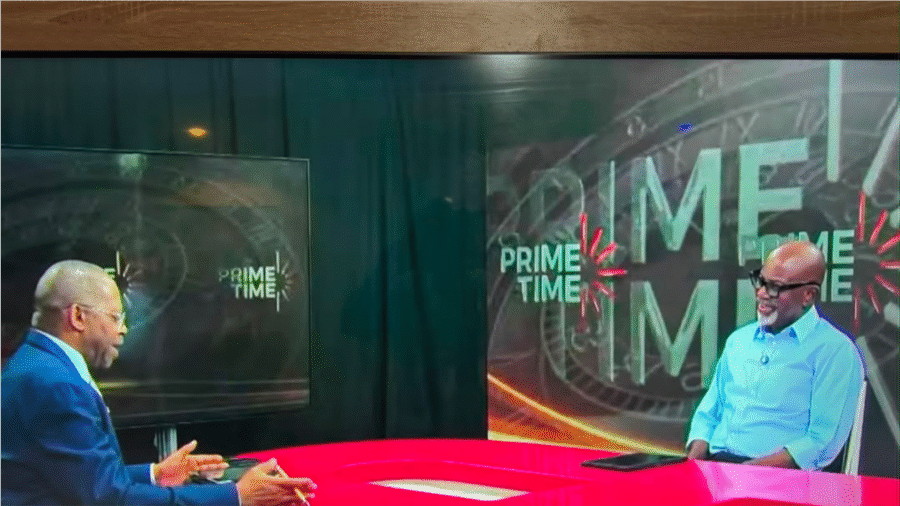
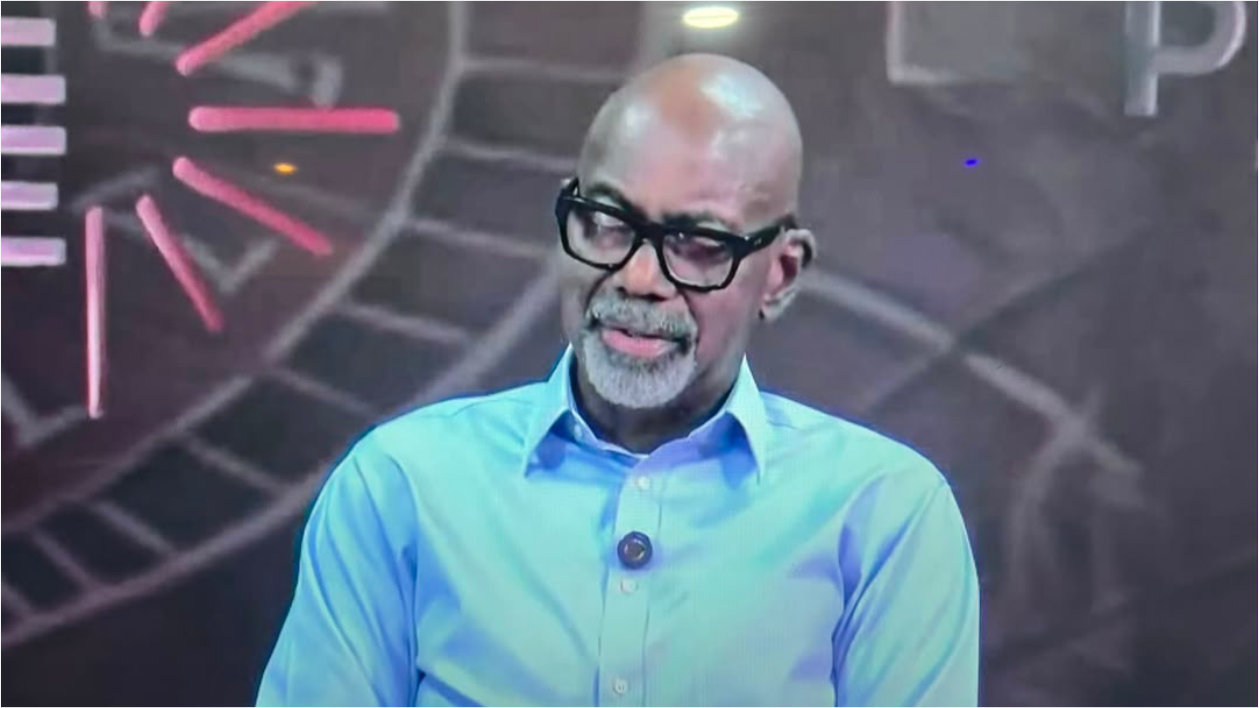
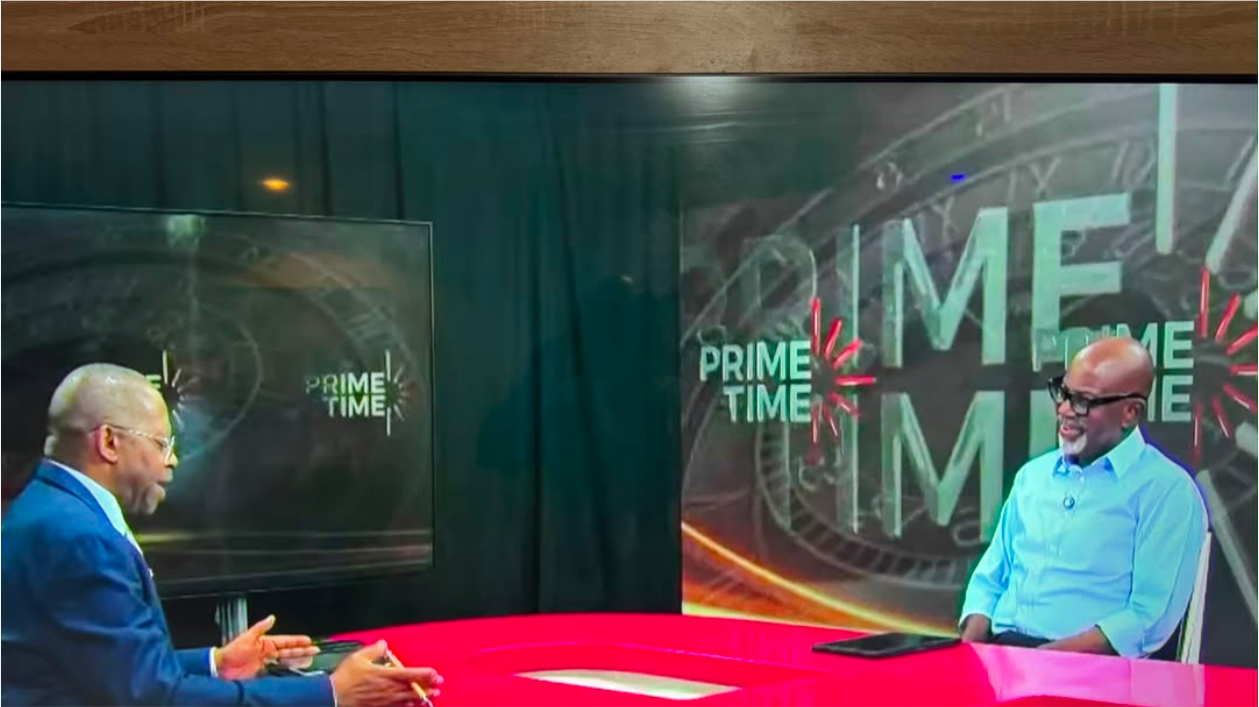
Former Cross River Governor Liyel Imoke, who succeeded Donald Duke in 2007, has revisited the controversy in an interview with ARISE News, arguing that Tinapa was fundamentally flawed from conception because the commercial ecosystem required to make it work was never established. (Arise News)
His criticism is unusually specific. Imoke argues that Tinapa was conceived as a major free-trade shopping destination without first securing the conditions that would make such a destination commercially viable: reliable power, adequate transport infrastructure, functioning port facilities, appropriate Free Trade Zone regulations, tax incentives and anchor tenants. On the day Tinapa was commissioned, he said, there was no adequate power supply. His administration subsequently installed an independent power plant to keep the complex functioning. (Arise News)
The numbers make the ambition clearer. Tinapa was developed on roughly 265 hectares, with a shopping complex, hotel, water park, artificial lake, entertainment facilities and other commercial infrastructure. The project reportedly consumed more than $350 million in its initial development. (Premium Times)
Duke’s original proposition was audacious: use tourism, retail and commerce to transform Cross River’s economy and position Calabar as a regional destination. The problem was not necessarily the dream. It was the ecosystem surrounding the dream. Imoke’s argument is that Cross River was expected to operate a project whose success depended on infrastructure and regulatory decisions largely outside the state’s control. He pointed specifically to Calabar’s airport capacity, the absence of a sufficiently developed seaport, access roads and the unresolved regulatory environment surrounding the Free Trade Zone. He also questioned the commercial mathematics behind expectations of millions of visitors to Calabar. (Arise News)
His conclusion is devastatingly simple: beautiful buildings cannot create an economy by themselves.
THE DEBT QUESTION
The other side of the Tinapa story is its financial burden. Imoke says he inherited substantial debts and contingent liabilities when he assumed office. He said debt servicing associated with Tinapa consumed enormous resources and that Cross River could not simply continue financing the project while also meeting obligations in healthcare, education, rural infrastructure and workers’ salaries. (NewsTimes)
Yet Imoke rejects the accusation that he abandoned Tinapa.
He says his administration continued operating the resort, maintained the cable car for years, introduced additional uses for the facility and sought ways to keep the complex economically relevant. More broadly, he argues that he continued Duke’s tourism agenda, pointing to the Calabar Carnival, urban renewal, street lighting and the Obudu Ranch as examples of projects he inherited and expanded rather than discarded. (Arise News)
That point is important. The Tinapa debate has often been presented as Duke the visionary versus Imoke the administrator. The reality is more complicated.


WHEN VISION MEETS GOVERNMENT
Tinapa exposes one of the most difficult problems in public-sector development. A governor can conceive a transformational project, but another administration eventually inherits its debts, operating costs and unfinished assumptions. The successor then faces a choice: continue spending, restructure the project or cut losses. Tinapa became a test of that dilemma. And the difficulties were not theoretical.
By the years that followed, questions surrounding its Free Trade Zone status, customs procedures, investment incentives and infrastructure undermined the original commercial proposition. Historical reporting had raised concerns about whether the project had enough investors and customers even before completion. (WikiLeaks)
The eventual financial distress became severe enough for AMCON to take an interest in the asset. Cross River State later negotiated to regain control, and in 2025 Governor Bassey Otu announced that the state had reclaimed Tinapa from AMCON and intended to revive it. (Cross River State News)
By June 2026, Otu’s administration was again discussing Tinapa’s revitalisation with the Nigeria Export Processing Zones Authority, presenting the resort as part of a broader investment strategy for Cross River. (Cross River State News)
So Tinapa is not entirely a story of failure. It is also a story of unfinished potential.
HE QUESTION NIGERIA SHOULD ASK
The most useful way to examine Tinapa today is not to ask whether Donald Duke was right or whether Liyel Imoke was right. Both men may have been right about different parts of the problem. Duke was right that Cross River needed an economic vision beyond government dependence. Imoke was right that vision without the supporting commercial architecture could become an expensive liability. The lesson reaches far beyond Calabar. Across Nigeria, governments announce airports, seaports, industrial parks, free zones, railways and tourism destinations without always answering the most important question: Who will use them, who will pay for them and what economic system will make them sustainable?
Tinapa was conceived as infrastructure. What it needed was an ecosystem. That distinction may be the difference between a landmark and a white elephant.
Today, Cross River is trying once again to revive the property. The state has reclaimed ownership, new investment possibilities are being discussed, and Tinapa remains part of the state’s economic-development conversation. (Cross River State News)
That creates one final irony. Almost twenty years after Donald Duke imagined Tinapa as a gateway to a new Cross River economy, the state is still trying to answer the question that should perhaps have been settled before the first brick was laid:
What must surround Tinapa for Tinapa to work?
That is the real legacy debate. Not Duke versus Imoke. Not vision versus criticism. But whether Nigeria has learned how to turn ambition into sustainable economic architecture. And until that question is answered, Tinapa will remain both a monument to political imagination and a warning about the cost of building the dream before building the ecosystem that sustains it.

Fawumi Kayode Abiodun
Political Analyst | CEO, Ekocity Media | Publisher, Ekocity Magazine and The Capitol Post


Add a Comment