

FROM DISCUSSIONS TO DELIVERY
The most significant phrase in NNPC’s account of the meeting may be the reference to “near-term steps.” That language moves the conversation away from long-term ambition and toward execution.
The question now is what specific projects will emerge from the discussions, how quickly investment decisions will be made and how rapidly drilling and development activities can translate into additional output.
For Nigeria’s energy sector, timing matters. A barrel that remains underground because a development project is delayed does not contribute to today’s revenue, exports or energy-security objectives.
WHY CHEVRON MATTERS
Chevron has been one of the major international oil companies operating in Nigeria for decades, with its Nigerian operations deeply connected to the country’s upstream petroleum industry.
Its partnership with NNPC places the company within one of the country’s most important production relationships. The latest engagement therefore carries a broader message: Nigeria wants its existing partnerships to produce more.
That could require a renewed focus on investment discipline, faster project approvals, improved operating conditions and closer coordination between government and international oil companies.
A BIGGER QUESTION FOR NIGERIA
The NNPC-Chevron discussions come against the backdrop of Nigeria’s continuing attempt to reposition its oil industry under the Petroleum Industry Act and attract fresh investment into upstream operations.
The country’s challenge is no longer simply finding oil. It is creating an environment where investors can confidently develop it, where infrastructure can operate reliably and where production can be sustained.
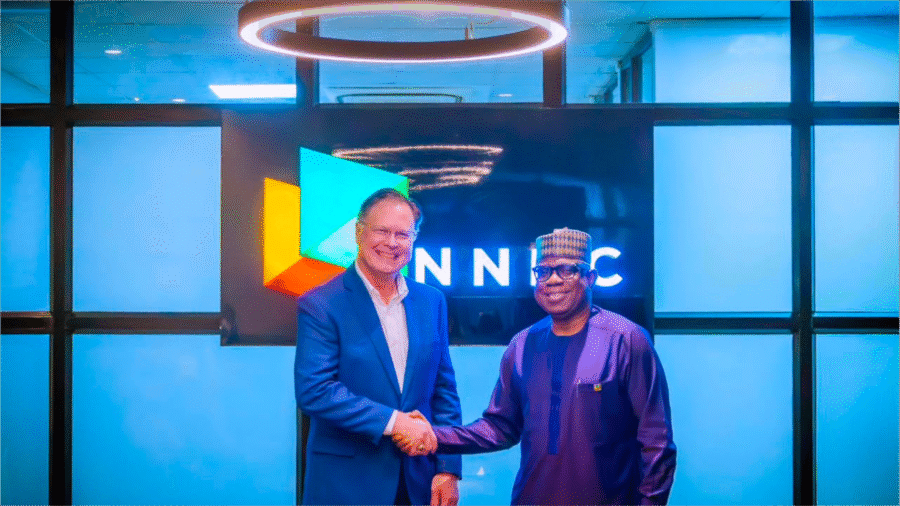
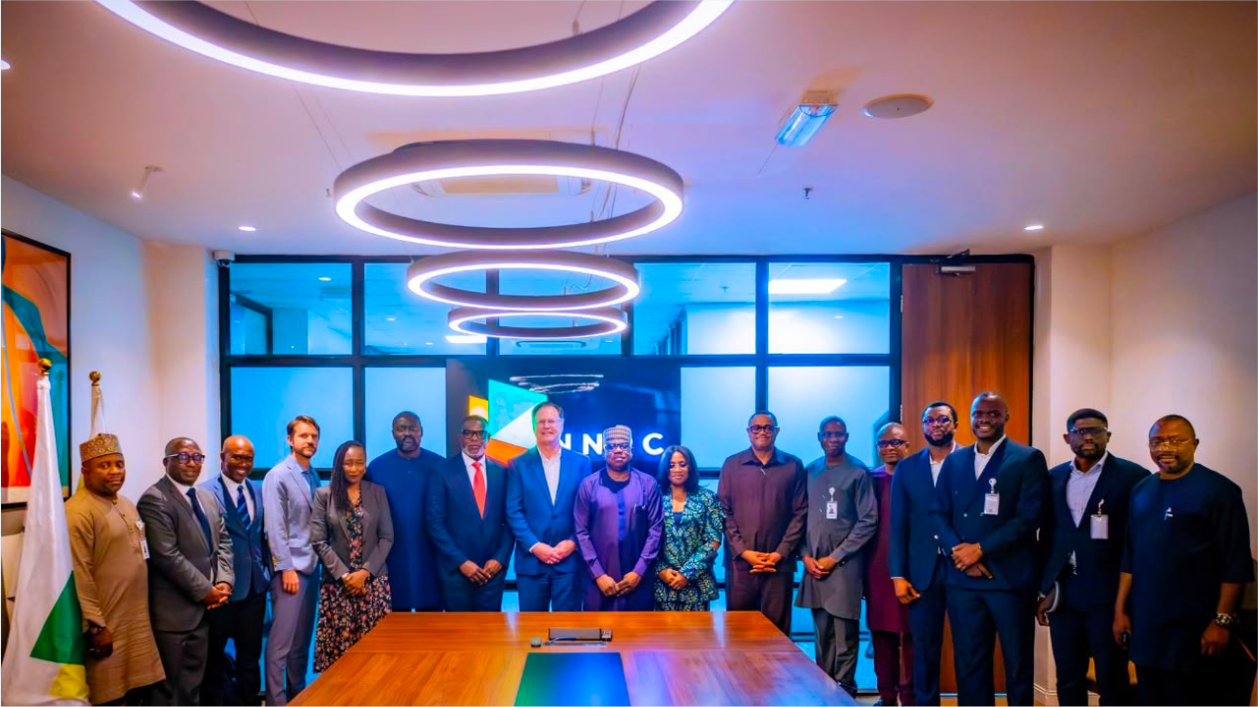
The Chevron meeting provides another indication that NNPC Limited is placing production growth high on its agenda. But ultimately, the success of the partnership will not be measured by photographs from Abuja or the number of meetings held.
It will be measured in wells drilled, projects delivered and barrels added to Nigeria’s production profile. For a country seeking to rebuild its energy economy, that is where the real conversation begins.
Ekocity Energy & Business Desk

Fawumi Kayode Abiodun
Political Analyst | CEO, Ekocity Media | Publisher, Ekocity Magazine and The Capitol Post
Add a Comment