The Oil Well Is Not Where All the Money Is
Nigeria’s energy wealth extends far beyond the crude beneath the ground. The bigger opportunity may lie in the infrastructure, services, technology and markets built around every barrel.
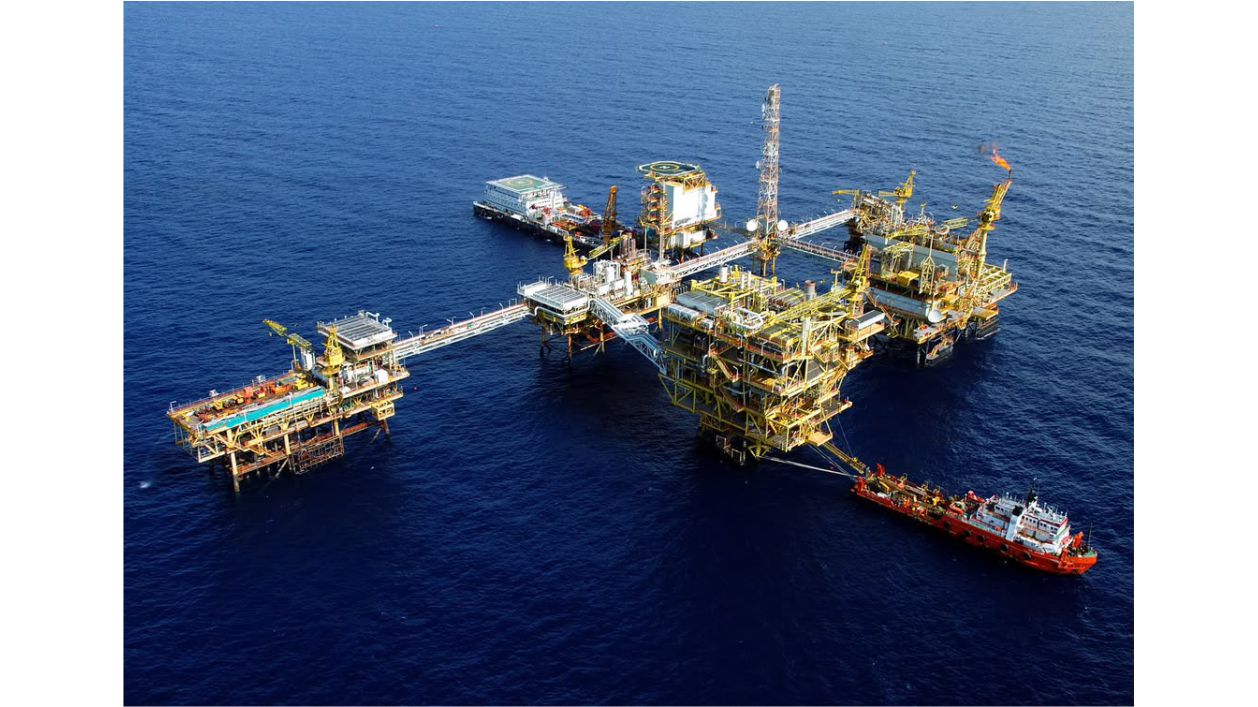
For decades, Nigeria’s oil industry has been described through a familiar image: a rig standing over a well, surrounded by pipelines, storage tanks and workers in protective clothing.
The image is powerful—and incomplete.
The oil well may be where hydrocarbons begin their journey, but it is not necessarily where the greatest business opportunities begin or end.
A barrel of crude does not simply emerge from the ground and become money. Between the reservoir and the final consumer lies an enormous economic ecosystem: geological services, drilling, completion, subsea engineering, vessels, dredging, pipelines, logistics, environmental services, fabrication, inspection, maintenance, data, finance, security, refining, gas processing, transportation and eventually the sale of energy to an end user.
That is where the less obvious fortunes of the energy industry are made.
And for Nigeria, this distinction matters.
The Well Is Only the Beginning
An oil well is an asset. But an oil field is a system.
To develop a field, an operator needs far more than a drilling rig.
There are seismic surveys to identify structures beneath the earth. Wells must be drilled and completed. Platforms and subsea infrastructure must be installed. Flowlines must connect production points. Crude must be transported, processed and stored. Equipment must be inspected and maintained. Water and waste must be managed. Security must be provided.
Every one of those activities represents a market.
Consider what happens before a single commercial barrel reaches a refinery.
There may be seismic contractors collecting subsurface data; engineering companies designing facilities; drilling contractors providing rigs; directional-drilling specialists steering wells; companies supplying pipes, valves and instrumentation; diving and remotely operated vehicle teams inspecting subsea infrastructure; marine companies moving equipment; dredging contractors preparing channels and locations; environmental firms managing contaminated sites; logistics companies moving people and materials.
The oil may belong to the operator.
But the ecosystem belongs to thousands of businesses.
Follow the Barrel, Not Just the Well
One way to understand the economics of energy is to stop looking vertically at the well and start following the barrel.At the upstream end is exploration and production.
Then comes gathering, transportation, processing and storage.
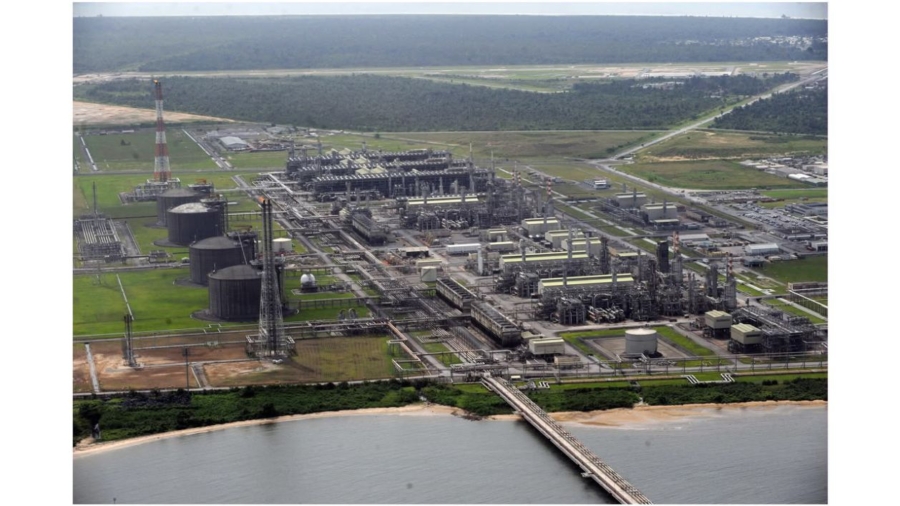
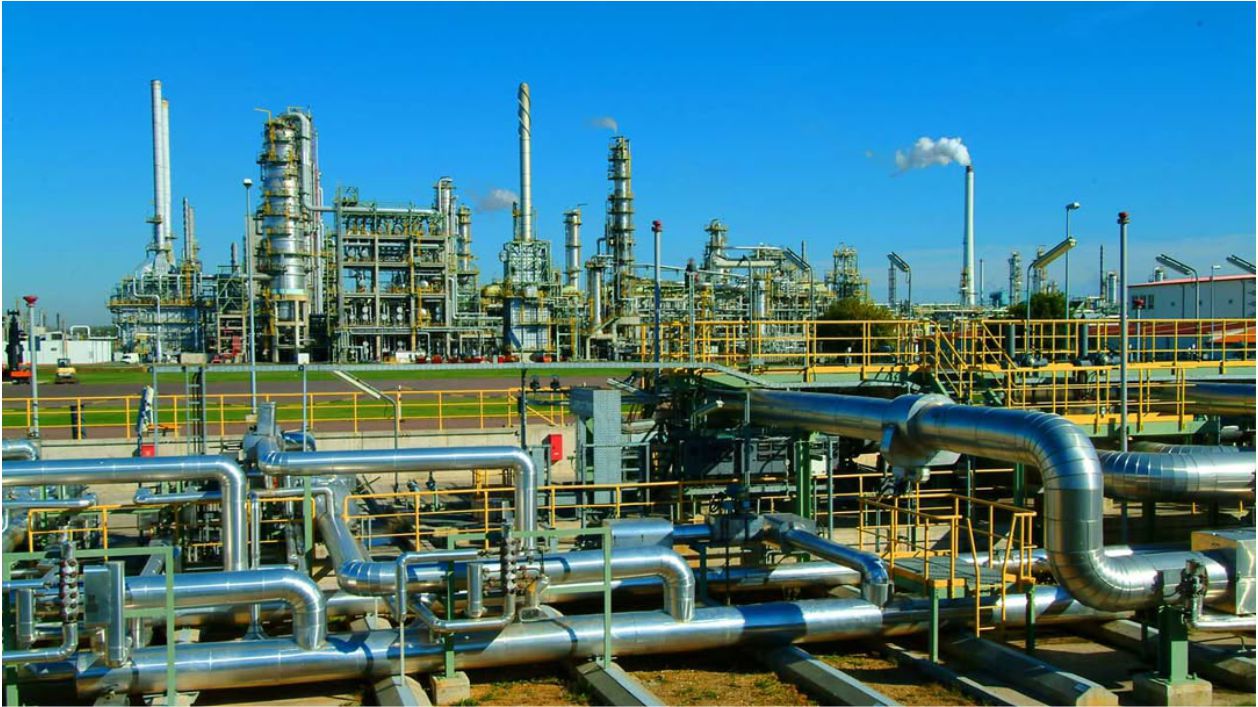
Further downstream are refineries, petrochemical plants, gas processing facilities, power plants, fuel distribution networks and industrial consumers.
At every stage, someone has to build, operate, maintain, inspect, finance, insure or secure the infrastructure.
That creates what might be called the energy services economy.
It is often less visible than crude production, but it can be remarkably resilient because infrastructure requires continuous expenditure.
A producing field does not need engineering services only once. Equipment requires maintenance. Pipelines require inspection. Facilities require upgrades. Wells require intervention. Marine infrastructure deteriorates. Environmental obligations continue. Digital systems need monitoring.
The revenue opportunity therefore isn’t necessarily tied to discovering the next giant oil field.
Sometimes it is tied to helping existing fields remain productive.
The Service Company Sitting Between Capital and Production
This is one of the most important lessons for Nigerian entrepreneurs.
Large energy companies often have capital, reserves and production assets.
But they cannot efficiently perform every specialist task themselves.
That creates room for companies that occupy the space between the operator’s capital and the physical work required to produce energy.
Think of the companies that manufacture or supply equipment, provide inspection, manage logistics, perform engineering, maintain facilities or solve specialized technical problems.
They may never own a single barrel.
Yet they can participate in the economics of thousands or millions of barrels.
This is not unique to petroleum.
The same principle exists in aviation. Airlines make money transporting passengers, but thousands of businesses make money servicing aircraft, supplying parts, providing ground handling, maintaining engines, operating airports and managing technology.
The oil industry works in much the same way.
The obvious asset is the well. The less obvious asset is everything required to make the well work.
Nigeria’s Infrastructure Gap Is Also a Business Map
Nigeria’s energy industry has another characteristic that makes the services opportunity particularly significant: infrastructure gaps.
The country needs more reliable pipelines, gas infrastructure, storage, terminals, processing facilities, power infrastructure and transportation systems.
Each gap represents a problem.
And every persistent problem can become a market when somebody develops a commercially viable solution.
The opportunity is not necessarily to build everything.
It may be to become the specialist that solves one expensive problem repeatedly.
A company that becomes exceptionally good at pipeline inspection, for example, can build a business around inspection rather than around owning pipelines.
A company that develops expertise in environmental remediation does not need to own an oil field to benefit from oil-field activity.
A marine company does not need to produce crude to participate in offshore development.
A technology company can create value by turning field data into operational intelligence without drilling a single well.
This is where the concept of picks and shovels becomes useful.
During a gold rush, fortunes are not made only by the miners. Businesses supplying the tools, transportation and infrastructure can also prosper.
Energy has its own version of the picks-and-shovels economy.
And Then There Is Gas
Perhaps nowhere is this more important for Nigeria than natural gas.
For years, Nigeria’s energy story has been dominated by crude oil.
But gas increasingly sits at the intersection of power, industry, transportation and export.
Gas processing requires infrastructure. Distribution requires pipelines. Compression requires equipment. Industrial users need conversion and delivery systems. Power generators require reliable fuel. CNG requires compression, transportation and dispensing infrastructure.
This creates another layer of opportunity.
A company does not necessarily need to own a gas field to participate in the gas economy.
It could provide conversion technology.
It could build distribution infrastructure.
It could provide maintenance.
It could supply engineering services.
It could develop software that monitors consumption.
It could help industrial customers reduce fuel costs.
The commercial question becomes less about “How much gas do I own?”
And more about:
“What expensive problem exists between the gas producer and the customer?”
That is a very different way of looking at the industry.
The Refinery Changes the Equation
Nigeria’s expanding refining capacity also changes the country’s energy map.
For decades, much of the national conversation revolved around crude production and the importation of refined petroleum products.
A larger domestic refining ecosystem creates demand for a different collection of businesses.
Maintenance.
Inspection.
Industrial automation.
Feedstock logistics.
Storage.
Marine transportation.
Product distribution.
Petrochemicals.
Industrial services.
Environmental compliance.
Energy efficiency.



Add a Comment