

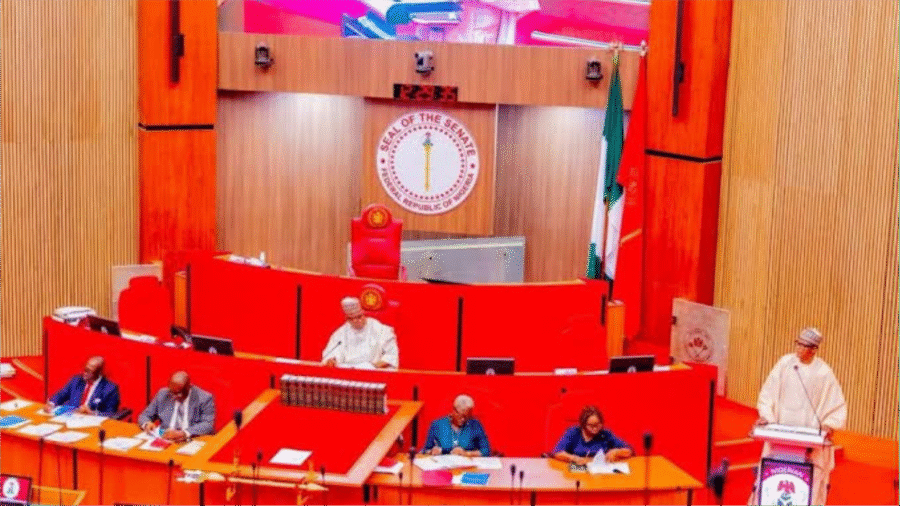
2027: 123 Women Seek Senate Seats as Gender Inclusion Debate Intensifies
The participation of 123 women among the 1,303 candidates cleared to contest Nigeria’s 109 senatorial seats in the 2027 general election has renewed attention on the country’s persistent gender gap in political representation.
The figures contained in the Independent National Electoral Commission’s final list show that women account for about nine per cent of the candidates seeking seats in the Senate. The candidates are drawn from 22 political parties and include serving lawmakers, former political office holders and first-time contestants.
Among those contesting are serving Senator Natasha Akpoti-Uduaghan, who is seeking re-election in Kogi Central on the platform of the Peoples Democratic Party; Senator Ireti Kingibe of the African Democratic Congress, who is seeking another term representing the Federal Capital Territory; and former Lagos Deputy Governor Idiat Adebule, the All Progressives Congress candidate for Lagos West.
The figures also show significant differences across states. Akwa Ibom has the highest number of female senatorial candidates with 10, while Jigawa, Nasarawa, Niger and Yobe have no female candidate listed for any of their senatorial districts.
The limited proportion of women in the 2027 Senate race has again brought the proposed constitutional reform on special seats for women into focus. The proposal seeks to create additional seats reserved for women in the National Assembly, rather than replacing existing constituencies. One version of the proposal would add 12 women-only seats to the Senate and 37 to the House of Representatives.
Under the proposal, women occupying the additional seats would have the same legislative responsibilities and privileges as other lawmakers, while women would remain eligible to contest the existing seats.
The debate therefore extends beyond the number of women appearing on the ballot to the structures that determine who gets the opportunity to enter and remain in political leadership.
With women making up only a small share of the candidates for the Senate in 2027, the election is once again placing questions of political inclusion, representation and the barriers facing women in Nigeria’s electoral system at the centre of the national conversation.
Blessing Anolaba
Editorial & Creative Correspondent
A storyteller and journalist passionate about telling stories for policy change and impact.
Add a Comment