

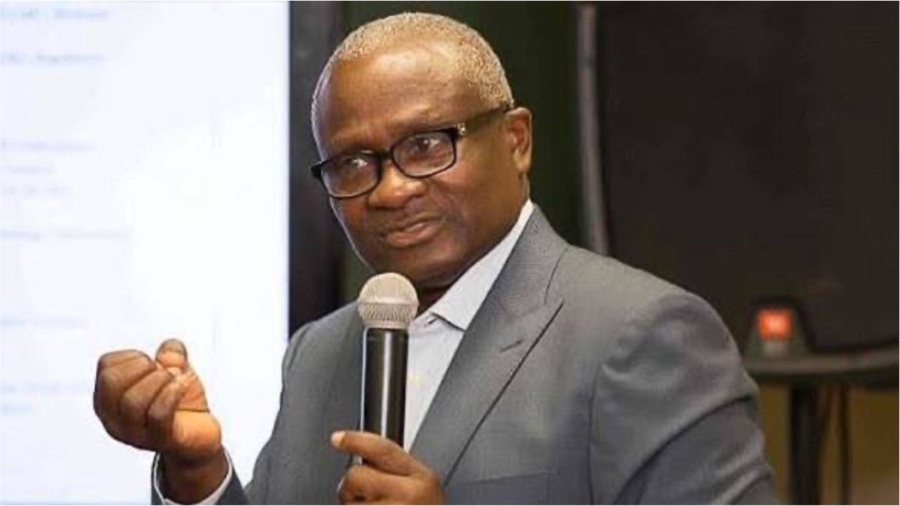
₦10bn Emergency Fund Not for Ebola Alone – NCDC Boss
The Director-General of the Nigeria Centre for Disease Control and Prevention (NCDC), Dr Jide Idris, has clarified that the ₦10 billion emergency intervention fund approved by President Bola Tinubu was not exclusively meant to tackle Ebola but to strengthen Nigeria’s preparedness against multiple public health threats.
Idris made the clarification amid public concerns over the allocation, explaining that the fund was designed to support the prevention, preparedness, early detection and rapid response to epidemic-prone diseases across the country.
He listed the diseases covered by the intervention to include Ebola, Lassa fever, cholera, cerebrospinal meningitis, diphtheria, measles, monkeypox and antimicrobial resistance.
The NCDC boss also clarified that the money was released directly to the agency and not the Presidential Task Force on Ebola Virus Disease, which was established primarily to coordinate the national response.
According to him, President Tinubu approved the additional ₦10 billion intervention funding in June 2026 following the outbreak of Ebola in the Democratic Republic of Congo, which raised global concerns about the spread of the disease.
Idris, however, noted that Nigeria’s health security funding requirements remained significantly higher than the amount approved.
He disclosed that implementing the country’s National Action Plan for Health Security (NAPHS 2.0), covering 2025 to 2029, would cost approximately ₦522 billion over five years, translating to an average annual requirement of ₦104.4 billion.
He explained that the ₦10 billion intervention represents only about two per cent of the plan’s average annual cost, highlighting the need for sustained financial commitments from federal and state governments, as well as development partners.
The NCDC director-general further disclosed that the agency’s budgetary allocation increased from ₦4 billion in 2024 to ₦7 billion in 2025, with an additional ₦5 billion intervention fund approved that year. The 2026 Appropriation provides ₦22 billion for the agency.
On Nigeria’s Ebola situation, Idris said the country confirmed its first imported case of the Bundibugyo strain of Ebola Virus Disease on October 20, 2026, following laboratory confirmation within 24 hours of receiving an alert in Abuja.
He assured Nigerians that there was no active Ebola case in the country as of the time of his statement, adding that identified contacts remained under daily surveillance.
He said monitoring would continue until the last identified contact completed the mandatory 21-day observation period without developing symptoms or any new case emerging.
Idris also dismissed calls for travel restrictions, the postponement of elections or a blanket ban on mass gatherings, insisting that the prevailing situation did not warrant such measures.
He explained that the NCDC had instead developed technical guidelines for organisers of mass gatherings, stressing that adherence to infection prevention and control measures would allow public events to proceed safely.
The NCDC boss urged Nigerians to avoid spreading unverified information, warning that misinformation and the politicisation of public health emergencies could undermine public confidence and weaken the country’s response to disease outbreaks.
Blessing Anolaba
Editorial & Creative Correspondent
A storyteller and journalist passionate about telling stories for policy change and impact.
Add a Comment