

1. OBA OF LAGOS
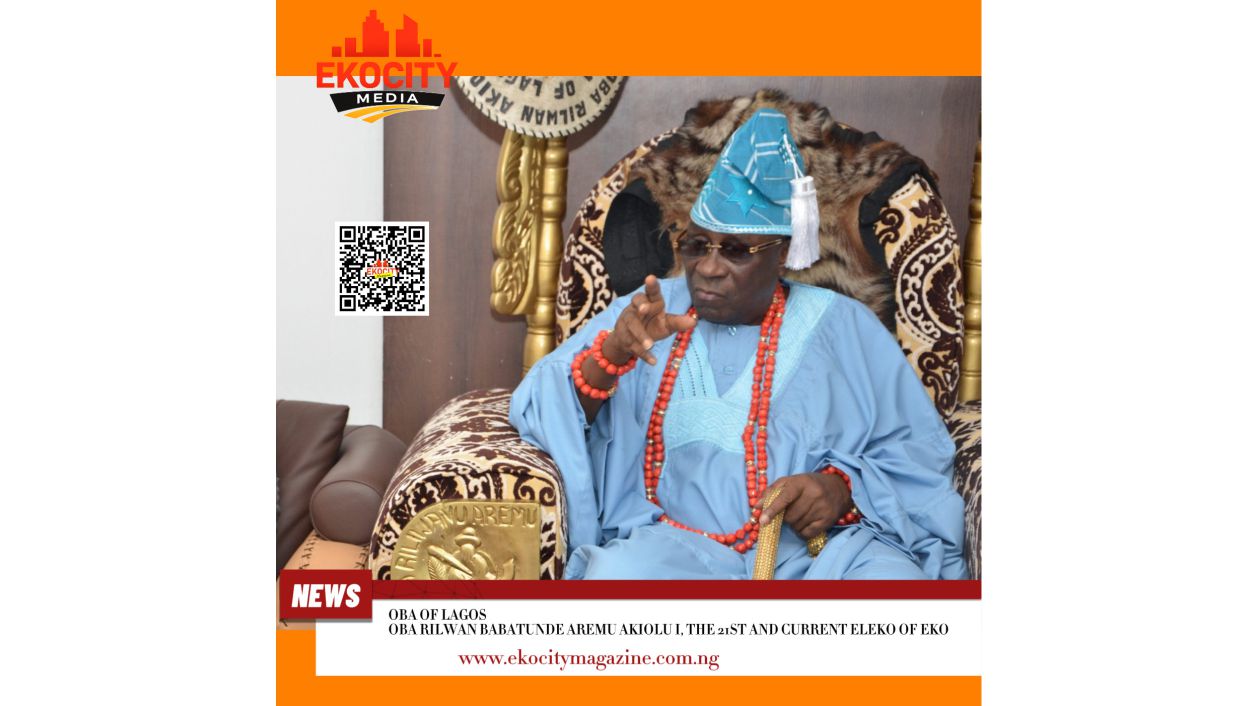
Oba Rilwan Babatunde Aremu Akiolu 1, the 21st and current Eleko of Eko, ascended the throne May, 2003 with His coronation held in August of the same year. He was the former assistant Inspector General of Police (AIG) with 32 years of service before becoming a Monarch. The Oba of Lagos ascension traces back to Asipa, who was sanctioned by the Oba of Benin to rule Lagos around the 17th century, with key figures like Oba Ado introducting formal coronations, while later Obas navigated declining traditional authority under colonial rule, with Oba Akiolu continuing this tradition. The Iga Idunganran is the palace and seat of power of the Oba of Lagos located on Lagos Island; the focal point of his rulership, which has it’s root in history. Chief Aromire gifted his pepper farmland to the king as a traditional seat of authority, hence the name Iga Idunganran, which means pepper famland. The palace has served as an administrative and cultural center, the island’s market and the venue of the Eyo festival; an important cultural event unique to Lagos, with the Oba being the principal custodian of Lagos culture. The palace and Isale Eko; a major part of Lagos Island, are central to Lagos cultural identity, linking the present Oba to the city’s historic Yoruba-Benin heritage.
Although, the Oba of Lagos is a ceremonial and cultural monarch, he is a highly respected figure who wields great influence in politics, power, and the society. He engages with the political leadership of Lagos State maintaining influence over Yoruba politics, receives foreign dignitories and strengthens the image of the city. He has appeared in tourism advertisement on behalf of the city. The Oba along with the Idejo, commonly known as the white cap chiefs, historically holds sway over land matters in Lagos, which is crucial for development and urban planning. In collaboration with the local government councils, he supports development initiatives, such as sanitation programmes, market regulations, and revenue generation.
The Oba has shown a strong interest in the Lagos real estate sector, advocating for housing development and offering lands for development projects in the state. His interest is more of socioeconomic development and investment facilitation within Lagos State.There’s no official, publicly confirmed net worth of the Oba of Lagos, but his status within Nigeria’s wealthiest region clearly reflects immense wealth, and elite economic standing.
2. ELEGUSHI OF IKATE KINGDOM
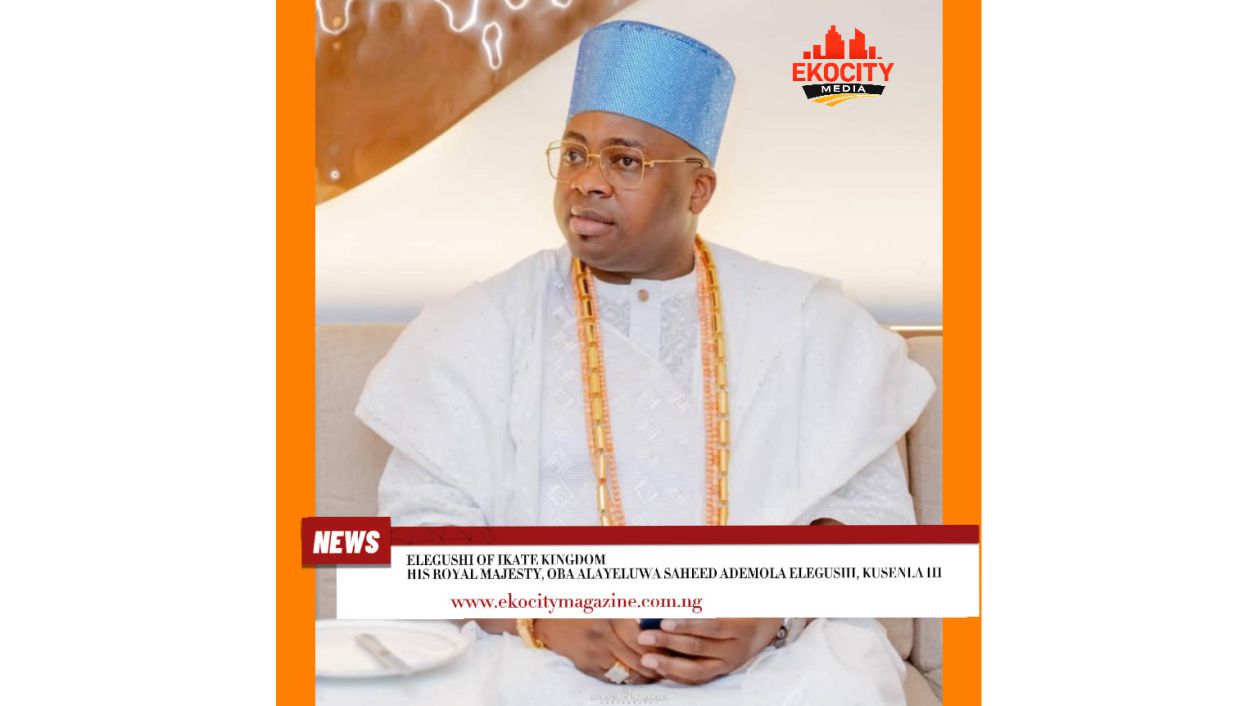
His Royal Majesty, Oba Alayeluwa Saheed Ademola Elegushi, Kusenla III is the 21st Elegushi of the Ikate-Elegushi kingdom. He ascended the throne at age 34, in April, 2010, succeeding his father, the late Oba Yekini Adeniyi Elegushi, Kusenla II, making him the youngest king as at the time in Lagos State. The Elegushi is a recognized Oba in Lagos State, with his kingdom in the Eti-Osa local government area. Oba Elegushi served as personal assistant and senior special assistant to two former governors of the state, Bola Tinubu and Babajide Fashola respectively, before becoming a king. The people of Eti-Osa, including the ancestors of the Elegushi trace their lineage to Olofin, who migrated from Ile-Ife and initially settled in Iddo. Around 1601, the Eti-Osa people moved from Iddo to the forested plains of Ikate, establishing their community.
The Elegushi family were powerful landowners known as Idejo white-caps chief, before becoming kings. Oba Yekini Adeniyi Kusenla II became the first crowned king, making the significant transition from chief to monarch, untill he was succeeded by his son, Kusenla III, after his demise, making him the second coronated king. Having served in the administration of two former governors, as a result of his knowledge in public administration, he is able to connect the government with the local communities to ensure growth and development in his jurisdiction. His domain in the Lekki-Epe area has experienced significant infrastructure growth including road networks and housing, making those areas one of the beautiful and attractive places in Lagos. To support economic empowerment, he established a foundation, the Oba Saheed Elegushi Foundation with initiatives like Two hundred million naira grants for small and medium enterprises and students. He has also used his position to advocate on Drug addiction directed to the youth, environmental sanitation and community health. Though a modern empire, he is known for bridging tradition and modernity, paving a path for younger monarchs to tread.
As significant to royalties, wealth often comes from land ownership, traditional tributes and personal business interests, but it is significant to note that, Oba Elegushi before becoming a king, was involved in business and politics, although public audits of their net worth aren’t usually published.
3. ONIRU OF IRU LAND
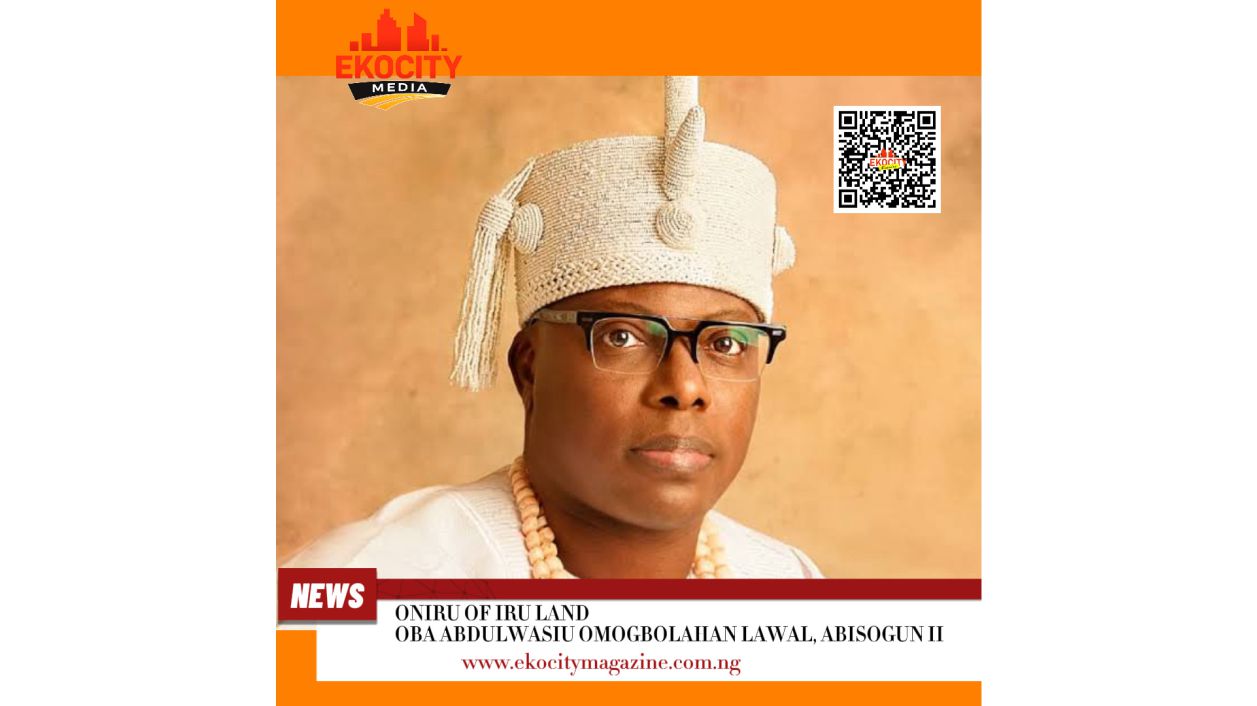
Oba AbdulWasiu Omogbolahan Lawal, Abisogun II, the 15th Oniru of Iru land. The throne rotates among ruling houses, including Abisogun, Akiogun and Ogunyemi. The immediate past Oniru, Oba Idowu Abiodun, was from the Akiogun house and reigned from 1994-2019. After his passing, the Ogunyemi House was next but ceded their turn to the Abisogun house, allowing Oba Lawal to be selected. Before royalty, Oba Lawal was a police officer retiring as superintendent Aide-de-camp to former Governor now president of Nigeria, Asiwaju Tinubu, and served many times as Lagos State commissioner, housing and agriculture. The Oniru is a key custodian of the Iruland Heritage, performing age-old customs and preserving cultural identity.
The Oniru tradition highlights descent from earlier Idejo chiefs, with figures like Orumbe being significant ancestors. The palace is secured in the area between Victoria Island and Lekki, which is known for it’s modern architecture and rich Yoruba heritage. The palace is known for hosting cultural events like ose to promote Iru kingdom’s heritage, as well as supporting the growth of tourism in Lagos, engaging with stakeholders to promote cultural tourism, and has partnered with organizations like Terra Kulture to support the youth in creative arts.
Oba AbdulWasiu plays a major role in harmonizing traditional leadership with modern administration, frequently engaging with Lagos State policies. He launched the LEGIT initiative, “Let’s grow Iruland together”, which focuses on developing the area , managing land tenure, and fostering a friendly environment for investment. He also initiated the Iru Business Network and the Oniru Business and Cultural Day, to connect traditional institutions with the private sector and government agencies. Through various initiatives, the Oniru has promoted youth engagement in urban development and capacity building, encouraging them to take an active roles in shaping the community future.
The Oba Oniru is often mentioned in discussions about wealthy monarchs, though not always with a concrete figure, like other kings, wealth often comes from inheritance, land and other business ventures. So, expect the Oniru of Iruland to be a wealthy figure but his estimated net worth isn’t publicly confirmed.
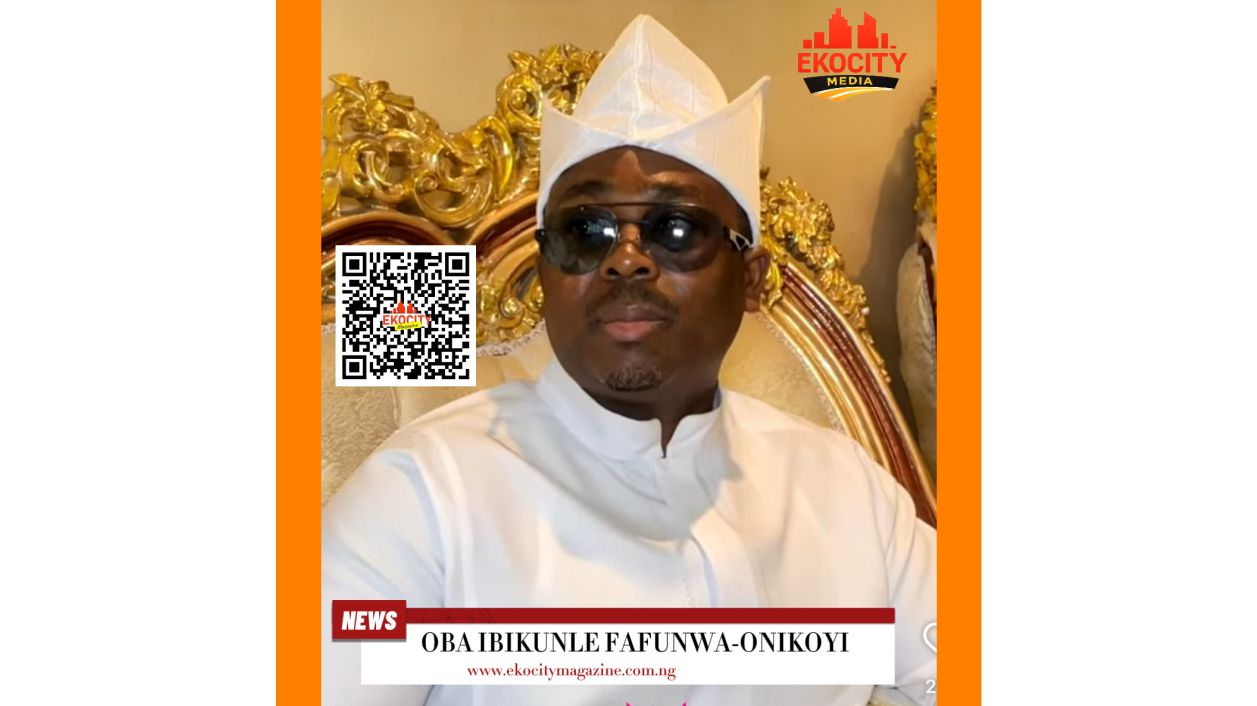
4. ONIKOYI OF IKOYI
The Onikoyi, a paramount head and traditional ruler of Ikoyi, an affluent area on Lagos Island. The title has a deep history rooted in the Oyo Empire. According to Yoruba history, the first Alaafin of Oyo, Oranyan, appointed a trader whom he named Onikoyi which means ‘You, the man carrying a basket’ to lead his military forces who were obliged to fight their enemies to death and never turn their backs to their enemies. Adeyemi Onikoyi, a descendant of this warrior line, was a hunter who migrated from Igbeti Ikoyi-Ile towards the ocean in search of adventure, eventually founding the Ikoyi area of Lagos alongside Olofin. The Onikoyi were part of the Eso Ikoyi, an elite group of military aristocrats known for their bravery just below the Oyomesi, the council of states of the Oyo Empire. The Onikoyi is revered in Yoruba culture, with praises highlighting their strength, such as ‘Onikoyi, the warrior who never received an arrow in his back’.
The Onikoyi governs the Ikoyi and Imoba Kingdom, playing a significant role in the traditional, social, and economic life of the area.The title has seen a shift from a purely warrior role to a leadership position overseeing modern development, including commercial and residential growth in the area. As traditional owners of Ikoyi, one of the most affluent, elite residential and commercial areas in Africa, the Onikoyi family holds significant influence over land, as they are recognized as an Idejo chief, part of the land owning nobility.The reign of Onikoyi is often linked to the promotion of economic development in Ikoyi, encouraging the growth of hotels, businesses, and modern infrastructure. The family is deeply rooted in culture, participating in Adamu Orisa play, usually performed in the Eyo festival, as their ancestors are rooted in the traditional history of the land.
Oba Patrick Ibikunke Fafunwa-Onikoyi, a prominent figure who reigned from the year 1996 till his death in 2023, following his passing, the stool has recently been subject to controversy regarding the rotation of power between the Moti and Dosunmu family, as his son, Oba Ibikunle Fafunwa-Onikoyi was crowned in July, 2025. The conflict has drawn in the Lagos State House of Assembly and political actors, highlighting the tension between traditional succession laws declared and signed by the then governor of Lagos State, Asiwaju Tinubu and state government influence.
There is no public specific net worth of the Onikoyi of Ikoyi, as usually it isn’t always disclosed to the public.
5. OLOWORO OF OWORONSHOKI
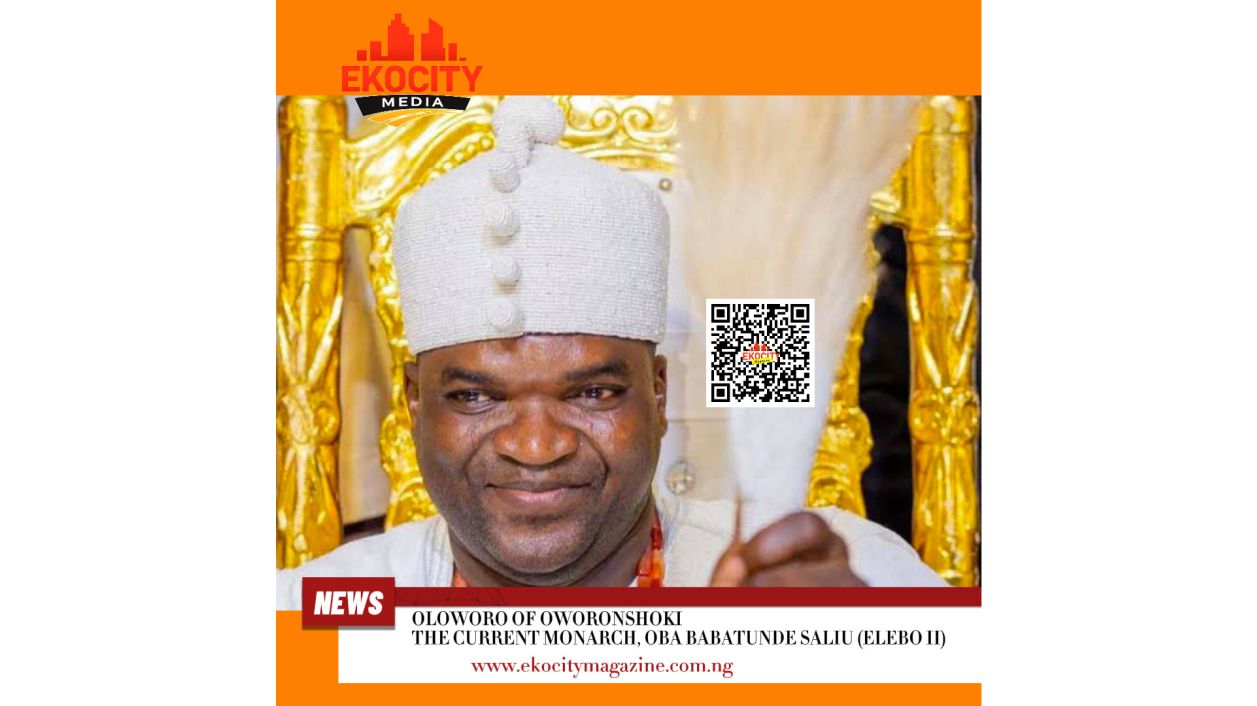
The current monarch, Oba Babatunde Saliu (Elebo II), ascended the throne after the passing of his father in the year 2022, marking a transition within the royal lineage. Before his ascension on the throne, he has served as former vice chairman of Kosofe local government, Special Assistant to Governor Fashola, and Senior Special Assistant to Governor Sanwo-Olu, and was a Personal Assistant to Bola Tinubu, bringing modern education and political experience to the traditional role, emphasizing community progress, unity and tradition in his reign.
Oworonshoki is a significant part of the larger Oworo people, whose history is tied to ancient migration of three hunters from Ile-Ife, who after a successful hunt, exclaimed ‘owo mi ro’, meaning, ‘my hands are full of blessings”. Hence, the name of the area, Oworo,.with Oloworo being the traditional title for their ruler, connecting the current monarch to these founding stories and prosperity. Oworonshoki became a key settlement, connecting Lagos mainland and Island via the third mainland bridge.
The most prominent event celebrating Oworonshoki’s heritage is the Ota festival, a week program where royalty parades showcasing traditional and community pride, which is actually the significant part of the festival. The festival is to foster unity allowing Christians and Muslims to celebrate together, reinforcing shared cultural identity. In 2025, Oba Babatunde Saliu partnered with federal legislators to distribute grants to strengthen the socio-economic fabric of the community, as well as sponsoring the Oba Saliu Babatunde Oloworo Unity Cup, a grassroots football tournament involving 48 teams, which promotes talent discovery and community harmony in the Kosofe region. He frequently hosts and supports business empowerment initiatives at his palace, supporting outdoor traders, and facilitating assistance for women-led businesses.
6. ONIBA OF IBA LAND
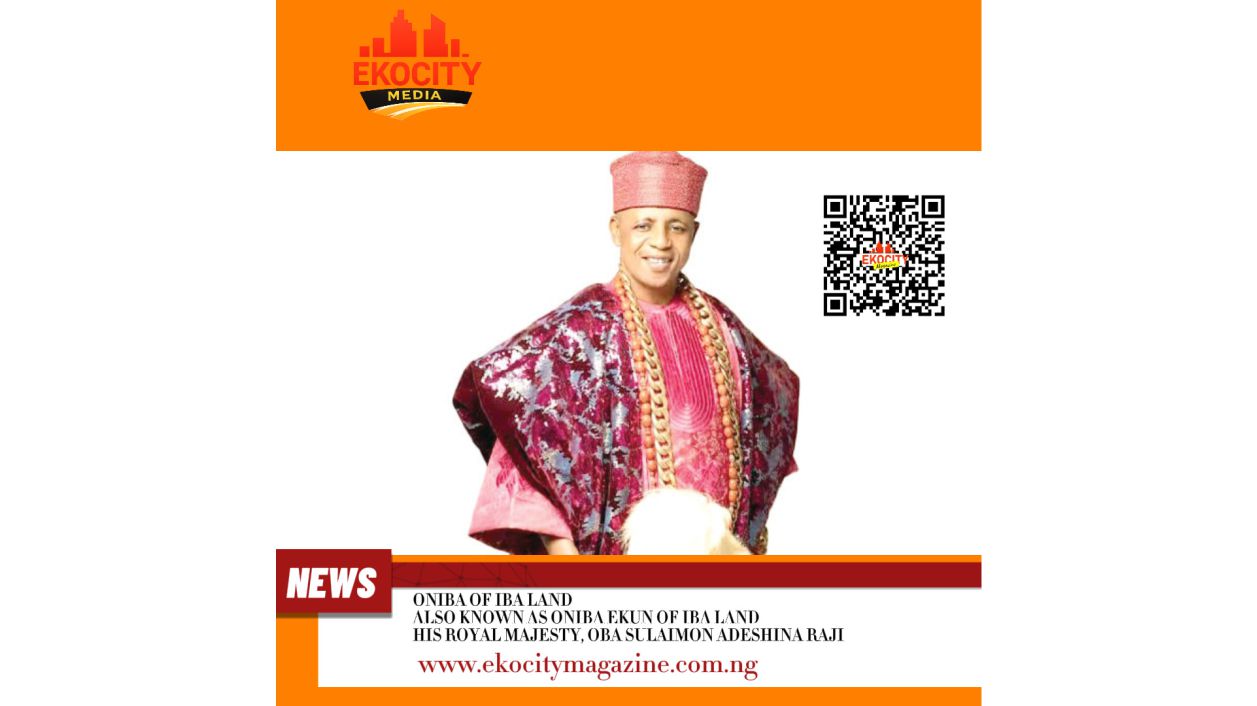
The Oniba of Iba land also known as Oniba Ekun of Iba land. His Royal Majesty, Oba Sulaimon Adeshina Raji widely known as ‘Jafo authority’ is the current monarch of Iba land, ascending the throne succeeding the late Oba Goriola Yishau Oseni in the year 2020. He is frequently described as a ‘billionaire king’ and one of the wealthiest traditional rulers in Lagos. He notably shared that he eventually purchased a hotel where he had once worked as a labourer, as before his ascension he has worked in various sectors. He was a prominent transporter and businessman in real estate. He is recognized as a modern, influential leader who received an Honarary Doctorate from Lagos State University in 2023. He is frequently featured in media for his lush events, including his daughter’s wedding, royal parades and cultural celebration, showcasing traditional leadership and wealth. The Oniba is the custodian of the kingdom’s traditions, overseeing major festivals, such as the Egungun festival and celebrating grand coronation anniversaries that involve cultural displays and traditional rites.
Iba land is one of the ‘Third Tier’ communities that emerged from the Isheri Olofin, part of the Awori ethnic group. The community actively promotes Awori heritage, often involving cultural, social, and traditional activities. The Egungun festival is an annual festival for Iba land where the ‘Ege Oba Eegun’ ‘Ori Ade’ display, which showcases vibrant, colourful masquerades that represents ancestral spirits. Supported by the Lagos State government is the 22 year old annual festival of Olokun, an event that draws thousands, including many monarchs from the southwest and the Republic of Benin. These festivals serve as a means of strengthening community bonds, honouring the dead and in modern times, boosting local tourism and cultural pride.
Oba Raji is an active visible leader who unlike traditional non-aligned monarchs has been recognized for fostering political stability and peaceful coexistence within his jurisdiction, as he also aligns himself with the ruling party in Lagos State, (APC). He has invested heavily in his domain by building a court, a health center, and installing about seven transformers to improve local infrastructure. In May 2025, he also launched a subsidized interstate transport system from Iyana Iba, which is aimed at reducing transportation costs for traders, students and the residents at large. He exerts strong authority and control over local land management, mandating that residents and developers seek approval from the palace for activities on the land in his domain. His reign is one that balances tradition with a modern proactive approach while fostering contemporary development.
Oba Sulaimon’s wealth stems from real estate, hospitality, and other businesses typical of prominent Lagos monarchs. He is often called the richest monarch in Lagos, as he is often highlighted for his immense wealth in Lagos’ traditional leadership, but his net worth is not publicly published.
7. ONIBEJU OF IBEJU-LEKKI
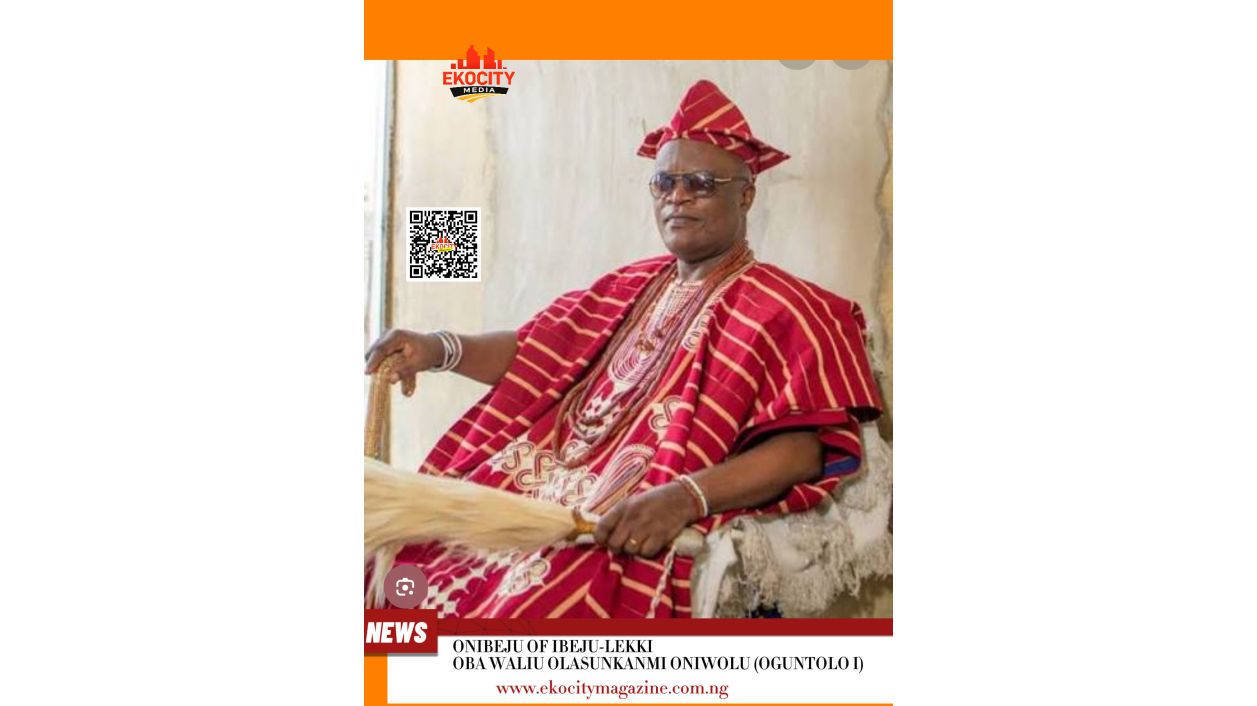
Oba Waliu Olasunkanmi Oniwolu(Oguntolu1), the current Onibeju of Ibeju-lekki, the paramount traditional ruler for the Ibeju-lekki area in Lagos. The Onibeju has been the one governing the Ibeju district before colonial rule, a role that continues today as chairman of the council of Obas and Chiefs. The traditional governance is patriarchal, with authority vested in the council led by the Onibeju. Oba Waliu is regarded as the 20th ruler of Ibeju kingdom, which was reportedly founded by Agbeduwa Abeju, who is identified as one of the sons of Oduduwa. The history of the Ibeju-lekki area is intricately linked with that of Epe.The region is fast growing one in Lagos State, driven by major infrastructure projects that have significantly boosted it’s profile and economic potential, making the Onibeju’s role a crucial one. The Onibeju leads a council that oversees numerous towns, including Ibeju Agbe, Elemoro, Akodo, maintaining a legacy of local governance that has transitioned from purely traditional to a hybrid of modern local government and traditional authority. Ibeju has kept and preserved its cultural identity through annual events like the Eko festival and other traditional celebrations that keep the ancestral culture alive. Historically, the people of Ibeju-lekki were primarily fishermen and farmers with most of it residents being Ijebu people. The Onibeju remains the chief custodian of the heritage of the the Awori and Ijebu lineage, ensuring that traditional festivals and customs are preserved even as the region transforms into an industrial hub.
As the paramount traditional ruler in Ibeju lekki, he oversees nearly a quarter of the landmass of Lagos, which gives him an important role in land excision and title security , which are essential for the for the multi-billion dollar investment in the area. He openly aligns with state and federal agendas which helps mobilize local support for government initiatives. He maintains the the hierarchy of Baales (local traditional chiefs), who manage the daily affairs of over 150 towns and villages, ensuring that their local heritage is preserved even with the influx of modernity.
The presence of large industries in his district, such as, Dangote Refinery, Lekki Deep Sea Port, and the Lekki Free Trade Zone, and considering the Onibeju’s significance in titled land rights in this high-value zones, it speaks influence and wealth economically, although his net worth is not publicly confirmed.
8. OLOJA OF EPE
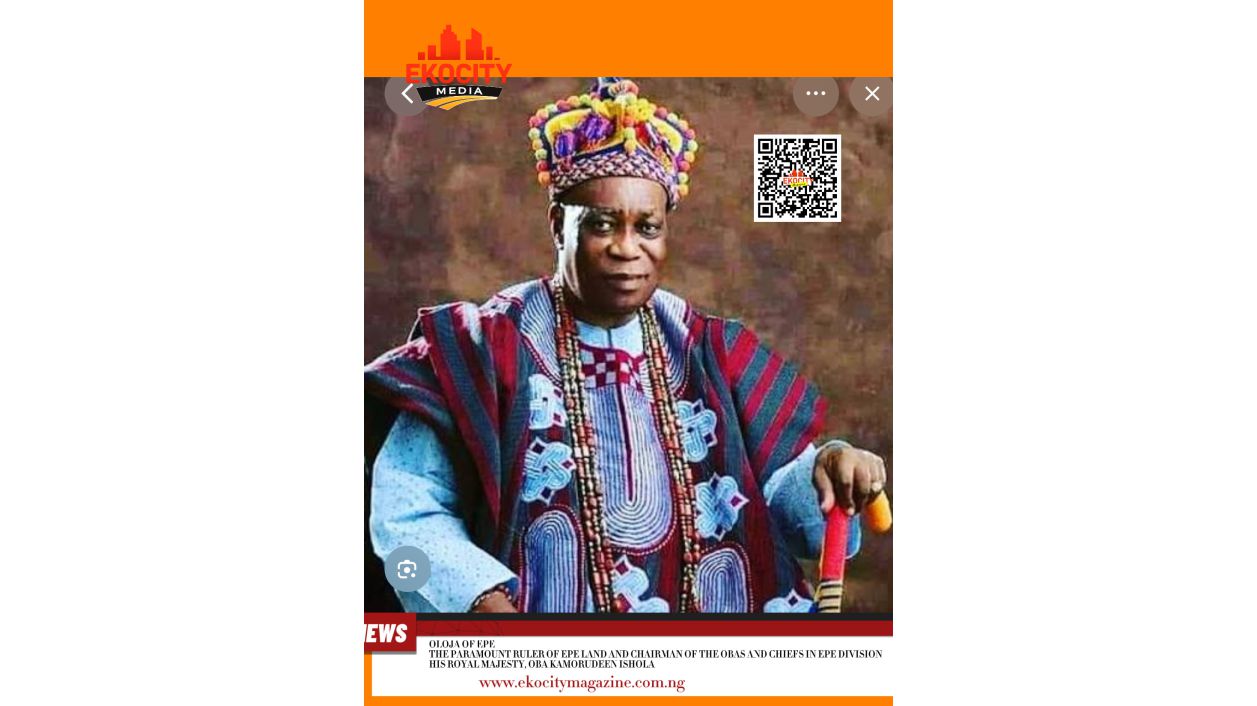
The paramount ruler of Epe land, known as the Oloja of Epe Land, who is also the Chairman of the Obas and Chiefs in Epe division. His Royal Majesty, Oba Kamorudeen Ishola Animashaun, has been on the throne for solid twenty five years, with his reign begining in the year 2000. He also serves as the Vice Chairman of the Obas and Chiefs in Lagos State. The historical background of Oloja of Epe traces back to the 18th century, the title Oloja, meaning “owner of the market”, emerged with an Ijebu Prince, Obaloja, who left Ijebu-Ode to settle in Epe, becoming the first Oloja, a title which was later adopted by subsequent rulers. In 1851, King Kosoko sought refuge in Epe with his followers, significantly influencing the town’s political structure and bringing Awori influence, leading to Epe’s significance as a dual community with Ijebu and Awori roots.
Epe land is known for its vibrant cultural festivals, primarily the ‘Kayo-Kayo’ festival, a celebration of Oba Kosoko’s arrival with feasting, a yearly remembrance of King Kosoko’s arrival in 1851 in Epe. The festival is usually celebrated with lots of fish, music, traditional processions and bonfire. People eat to their satisfaction in the festival. Amongst other festivals, is the Eebi festival, which spans several months with lots of activities in place, like the Okoshi festival , a ceremonial mock fighting between age groups, traditional rites at shrines, and symbolic rituals like casting burnt stakes into the lagoon.
Oba Kamorudeen is a key stakeholder in Lagos politics, by fostering a peaceful environment and actively supporting major infrastructural investments including the Alaro City project in the Lekki Free Zone, which brings jobs and commerce to his domain. He has been an instrumental in the rapid development of the city, transforming it into a modern, bustling and cosmopolitan hub. He is a major proponent of cultural preservation, driving the significance of annual cultural events and festivals, in order to retain their value and relevance. In order to foster peace in the community, Oba Kamorudeen installed new chiefs, Balogun of Epe and Asipa of Epe. He recently celebrated his 80th birthday, with several monarchs and other dignitaries in attendance.
His Majesty’s net worth isn’t publicly confirmed.
9. AYANGBUREN OF IKORODU
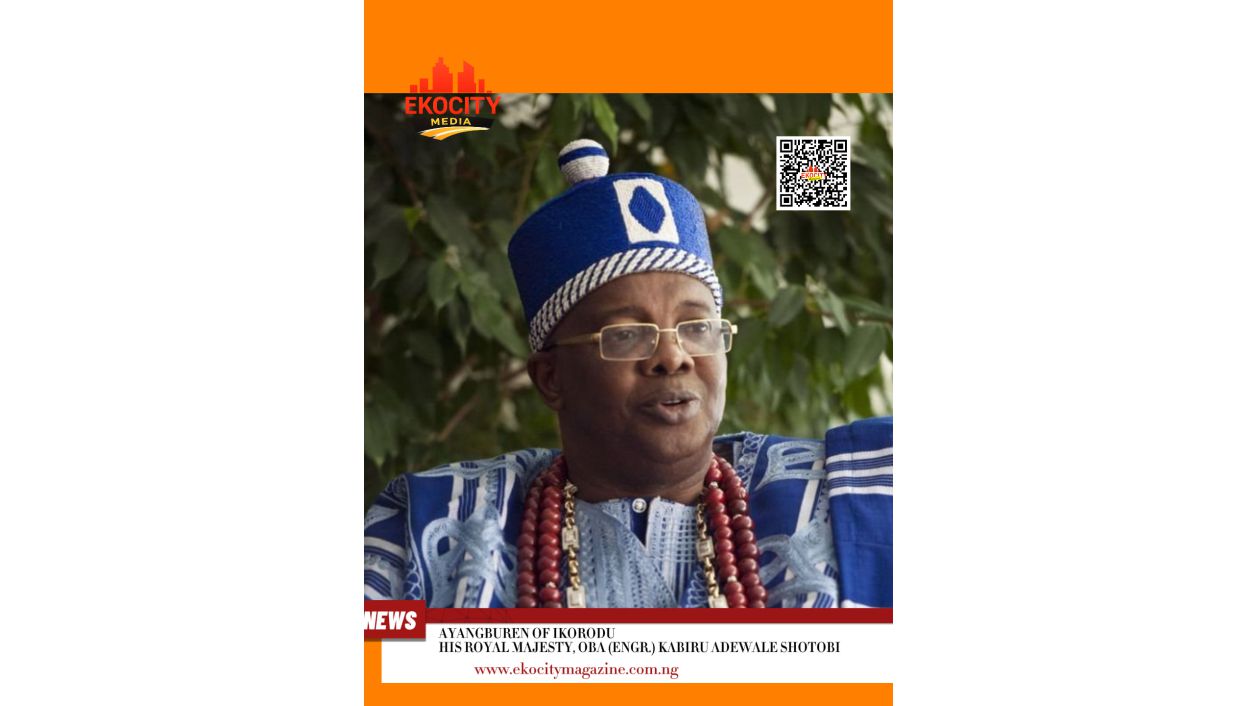
His Royal Majesty, Oba (Engr.) Kabiru Adewale Shotobi Adegorushen V, the Ayangburen of Ikorodu, is the paramount traditional ruler of the Ikorodu division and serves as the Vice Chairman of the Lagos State council of Obas and Chiefs, who ascended throne in 2015, succeeding Oba Salaudeen Oyefusi. Before his coronation as a king, he is a trained engineer who retired as a Deputy Chief Electrical Engineer, from the the West African Portland cement company in 2004. While Oba Shotobi is the paramount ruler, there are other rulers in the surrounding towns like, The Ranodu of Imota, The Olubeshe of Ibeshe amongst others. Historically, the traditional ruler of Ikorodu held the title of ‘OLOJA’, the transition of the title occurred during the reign of, Oba Subairu Adenaike Alagbe, after his installation as Oloja of Ikorodu in 1929, he was formerly crowned as Ayangburen of Ikorodu, making him the last Oloja and the first modern king, and it was in his reign that the palace was moved from Awofin in Ajina to Aiyeluja, it’s current position. Succession alternates between two families, Radewon and Lasunwon Royal family. The current monarch is from the Lasunwon Royal family. The Kingmakers are responsible for electing the new Ayangburen. The eight high chiefs; Lisa, Odofin, Solomade, Oponua, Apena, Oluwo, Losi and Aro.
Oba Shotobi is the founder of the Ikorudu Division Peace Initiative Limited (IDPIL), it is a community security-driven initiative that coordinates local vigilante groups and collaborate with the Nigerian Police to maintain safety within the Ikorodu division. He also announced scholarships for 50 indigents students and continues to sponsor the Oba Ayangburen spelling bee every year. Under his reign, traditional festivals, such as Odun osu has been modernized and promoted to preserve Ikorodu’s cultural identity for younger generations.
Before his ascension to the throne, Oba Shotobi founded and is still serving as the Chairman and the Chief Executive Officer of Kadesh ventures Nigeria Limited, the company a petroleum products marketing firm, with its headquarters located in Ikorodu. He also holds the position of a Managing Director for Owokem Oil and Gas Enterprise. His business interests reflects his contribution to the local economy, providing employment opportunities to the mass and as well sponsoring his philanthropic activities. Although, his estimated net worth is not publicly published.
10. AKRAN OF BADAGRY
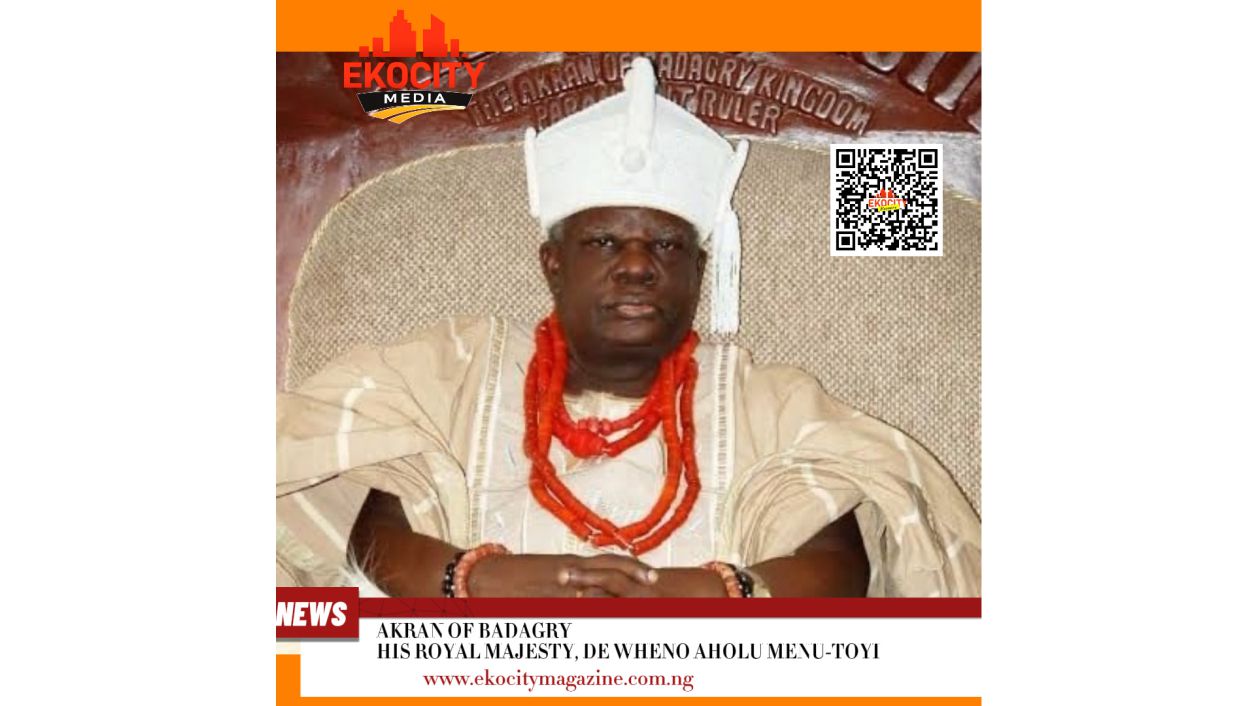
In the local Egun culture, the term for a king or traditional ruler is Aholu, which is just a foundational title, ‘The AKRAN’ specifically serves as the paramount ruler all over other local Aholus. To address the king, the prefix ‘De Wheno’ is used. Hence, the name of the former king as he became late this year, Jan 2025, His Royal Majesty, De Wheno Aholu Menu-Toyi I. He was the 17th Akran who reigned for nearly 49 years, as one of the longest serving monarchs. Following his death, traditional rites are currently be observed. Badagry history is shaped by two primary ethnic groups; the Egun, and the Yoruba. The Egun who migrated from the regions of modern day Togo, Ghana, and Benin Republic. The Yorubas; the Awori. Before the emergence of the Akran, there are eight major quarters with administered by the Aholu, where each ruler governed his territory without absolute central authority, after which the emergence of AKRAN, as the first class paramount ruler. The palace is located in Jegba Quarters. The Badagry kingdom was known as a major terminal for trans-Saharan trade and later a prominent harbour during the trans-Atlantic slave trade. The town is a center of remembrance and heritage tourism, it is often referred to as the ‘cradle of Western civilization’, housing a lot of tourists attraction like, the first story building in Nigeria; where the Bible was translated to English by the Bishop Ajayi Crowther, point of no return; a final path leading to the Atlantic where slaves would be shipped, amongst others.
Badagry’s are vibrant displays of cultural heritage which attracts a lot of attendees from both home and abroad. Festival like Badagry Diaspora festival which is held annually with Zangbeto Masquerade performance, The Sato drum being played, which according to history must be played by someone who must have lost at least one patent, and it is usually played only on special occasions.
The Akran’s reign was instrumental in promoting Badagry into an international recognized center for history and culture which as in turn boosted Lagos State’s tourism profile nationally and internationally. He used his influence to attract essential infrastructure and development to the ancient town, including the establishment of the first secondary school in Badagry in the year 1955. He was widely regarded by state officials as a ‘stabilizing force’, and in honour of his name the impact he has made, the major thouroughfare in Ikeja was named after him, popularly known as Oba Akran Avenue. Though he has passed, his legacy lives.
As in Nigeria, the personal wealth of traditional rulers is rarely a matter of public record. The net worth of Oba Akran is not in public record.
Add a Comment