

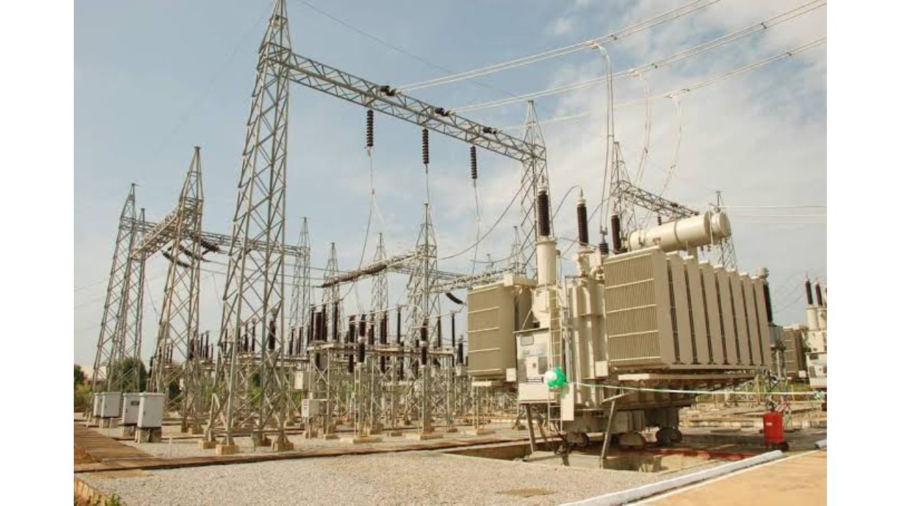
Abuja Residents Demand Answers as National Grid Keeps Failing
Abuja residents are once again grappling with darkness as the national power grid continues its all-too-familiar cycle of collapse, leaving homes, businesses, hospitals, and public institutions without electricity for hours and sometimes days. What has become a routine announcement from power distribution companies is now a symbol of a deeper, unresolved crisis in Nigeria’s energy sector, one that hits the nation’s capital with embarrassing regularity.
For many residents of Abuja, these frequent grid failures disrupt daily life and livelihoods. Small businesses that rely on steady electricity to survive are forced to depend on expensive generators, driving up operating costs in an already difficult economy. Students struggle to study, households endure heat and insecurity, and health facilities are compelled to stretch limited resources to keep essential services running. In a city meant to reflect the administrative and developmental strength of the country, the persistent blackout tells a different story; one of neglect and weak infrastructure.
The recurring collapses also raise serious questions about planning, maintenance, and accountability. Despite repeated assurances from authorities about reforms, investments, and improved capacity, the grid remains fragile. Each failure is often blamed on technical faults, system instability, or external factors, yet Nigerians are rarely told what concrete steps are being taken to prevent the next collapse. The absence of transparency and clear timelines for lasting solutions has only deepened public frustration.
As the seat of government, Abuja’s experience with constant power failures underscores the urgency for decisive action. The federal government must move beyond explanations and excuses to deliver measurable improvements. This includes upgrading transmission infrastructure, strengthening grid management, investing in alternative and decentralized power solutions, and holding relevant agencies accountable for performance. Reliable electricity is not a luxury; it is a basic requirement for economic growth, security, and quality of life.
Nigerians, particularly Abuja residents, deserve better than a system that fails repeatedly without consequence. Fixing the national grid is not just a technical necessity; it is a test of governance and political will. The government must rise to this challenge and ensure that the nation’s capital and indeed the entire country, can finally count on stable and dependable power.
Blessing Anolaba
Editorial & Creative Correspondent
A storyteller and journalist passionate about telling stories for policy change and impact.
Add a Comment