

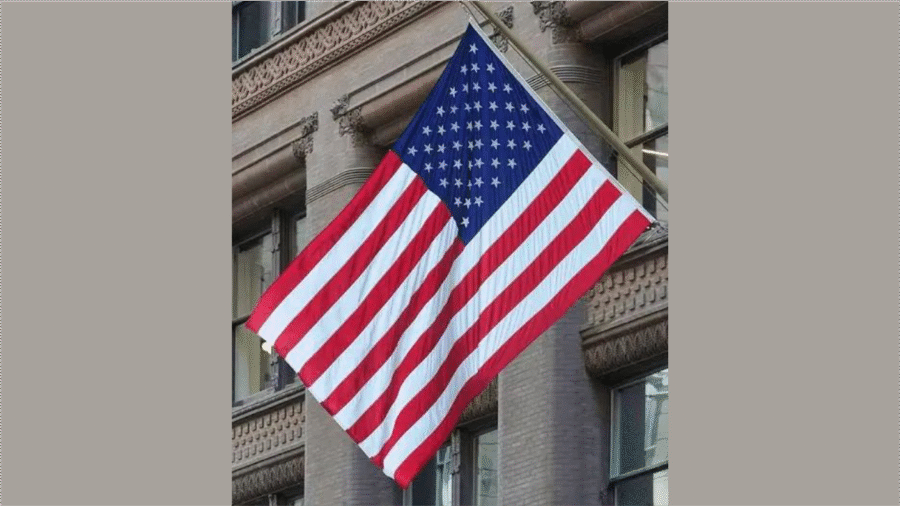
US Travel Advisory Sparks Tension as Nigeria Pushes Back on Security Narrative
The Federal Government has downplayed concerns following a recent advisory by the United States Department of State, which approved the departure of non-essential staff from its embassy in Abuja. Authorities in Nigeria insist the move is a routine precaution and does not reflect the country’s overall security situation.
The advisory also urged American citizens to reconsider travel to Nigeria due to rising risks linked to terrorism, kidnapping, and civil unrest. It warned that attacks could occur with little or no notice in public places such as markets, hotels, schools, places of worship, and transport hubs. It further noted that some regions face higher risk levels where travel is strongly discouraged.
In response, Nigerian officials pushed back, describing the warning as unbalanced and not fully reflective of ongoing security improvements or the level of cooperation between Abuja and Washington.
Beyond the official exchange, the situation highlights a broader gap in perception between both governments on Nigeria’s security reality. While the United States Government focuses on risk assessment for its citizens abroad, Nigeria is increasingly concerned about the wider image such advisories create.
Analysts note that travel warnings, even when framed as routine updates, often influence how investors, development partners, and international organizations assess a country. For Nigeria, which is seeking to attract investment, boost tourism, and strengthen diplomatic ties, such narratives can have significant consequences.
The development therefore goes beyond a routine advisory, raising deeper questions about perception, confidence, and how Nigeria is positioned on the global stage.
Blessing Anolaba
Editorial & Creative Correspondent
A storyteller and journalist passionate about telling stories for policy change and impact.
Add a Comment