

Rising Heat in Abuja Raises Health and Climate Concerns
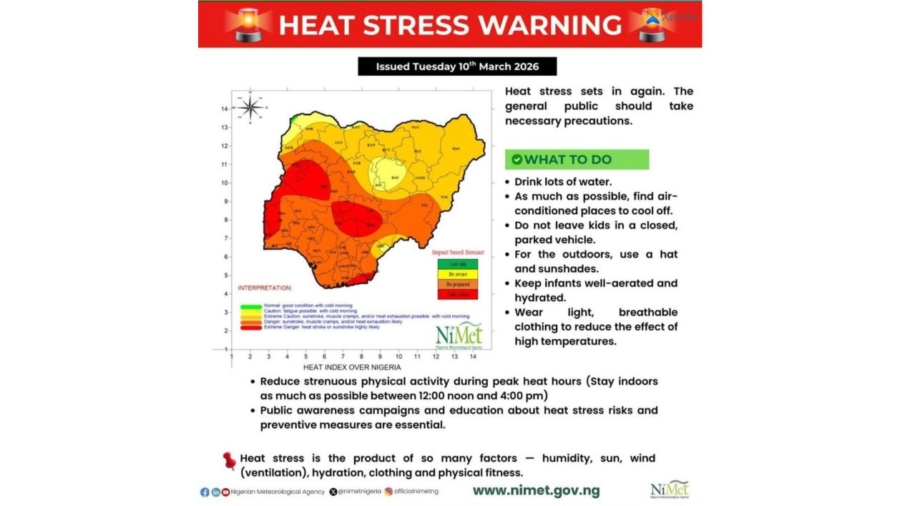
Residents of Abuja have recently been grappling with unusually intense heat, a development that has left many people exhausted, uncomfortable, and concerned about their health. Over the past few weeks, temperatures in the Federal Capital Territory have climbed significantly, prompting warnings from the Nigerian Meteorological Agency (NiMet) about rising heat conditions across several parts of the country, including Abuja.
The extreme heat has become difficult to ignore. In the afternoons, the sun feels harsher than usual, and many residents say stepping outside even briefly can feel overwhelming. Offices, markets, public transport vehicles, and homes without adequate ventilation are becoming increasingly uncomfortable spaces, especially during peak daytime hours.
According to NiMet, the current weather pattern is part of seasonal climate conditions that can lead to higher temperatures and heat stress in parts of northern and central Nigeria. The agency has advised residents to take precautions, including staying hydrated, reducing prolonged exposure to direct sunlight, and ensuring proper ventilation in homes and workplaces.
For many Abuja residents, however, coping with the heat is not always simple. In homes and small businesses where electricity supply remains inconsistent, fans and air conditioners often cannot run for long periods. This leaves people relying on open windows, hand fans, and other temporary solutions to manage the heat.
The heat is also affecting productivity. Outdoor workers such as construction labourers, street vendors, traffic wardens, and delivery riders spend long hours under the sun, often with limited protection. Many say they now take more frequent breaks or try to finish work earlier in the day to avoid the most intense afternoon heat.
Markets across the city also reflect the impact of rising temperatures. Traders dealing in perishable goods such as vegetables, tomatoes, and fruits worry about faster spoilage. Without reliable electricity to power refrigeration, some vendors are forced to sell goods more quickly or risk losing them entirely.
Health experts warn that prolonged exposure to high temperatures can lead to dehydration, heat exhaustion, and other heat-related illnesses. Children, elderly people, and individuals with existing health conditions are particularly vulnerable. In crowded environments such as public transport vehicles and busy markets, the heat can also increase discomfort and fatigue.
In schools across Abuja, both teachers and students are feeling the effects. Classrooms without adequate cooling or ventilation can become extremely hot by midday, making concentration difficult and learning conditions less comfortable.
The rising heat is also drawing attention to the broader issue of climate change and environmental sustainability. Across many parts of Nigeria, changing weather patterns have become more noticeable in recent years. Longer dry seasons, intense heat waves, and irregular rainfall patterns are increasingly shaping daily life.
Urban growth in Abuja may also be contributing to the problem. As the city expands with more buildings, roads, and paved surfaces, natural vegetation is often reduced. This can increase the “urban heat” effect, where cities become warmer than surrounding rural areas because heat is trapped by concrete and asphalt.
For residents, the current heat wave serves as a reminder of the importance of both short-term precautions and long-term environmental planning. Simple measures such as planting trees, improving urban green spaces, and promoting climate-resilient infrastructure could help reduce the impact of rising temperatures in the future.
For now, many Abuja residents are simply trying to cope with the heat day by day. Carrying water bottles, seeking shade, and limiting outdoor activities during peak sunlight hours have become common practices as people adjust to the unusually hot conditions.
As warnings from NiMet continue, the hope is that greater awareness and preparedness can help residents stay safe during periods of extreme heat. In a city already dealing with multiple economic and social pressures, even the weather has become another challenge people must navigate carefully.
Blessing Anolaba
Editorial & Creative Correspondent
A storyteller and journalist passionate about telling stories for policy change and impact.
Add a Comment