

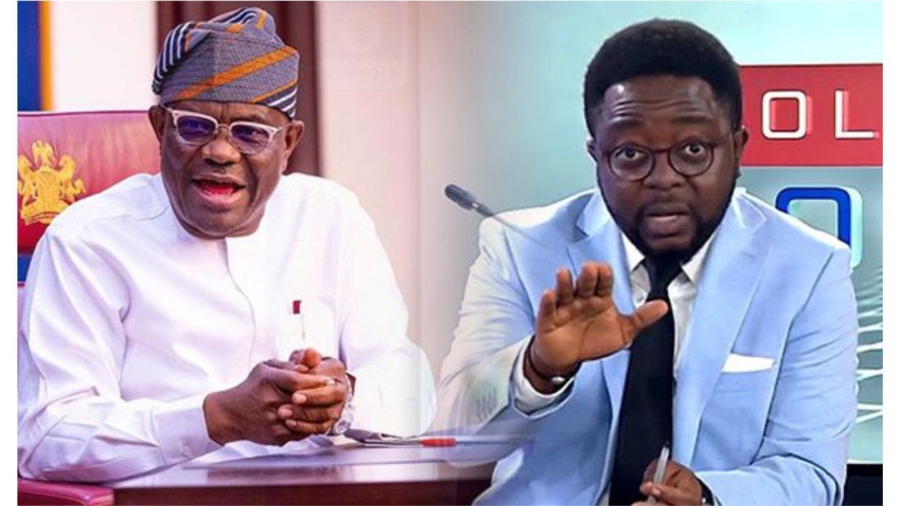
Press Freedom on Edge: Wike’s ‘Shoot Journalist’ Remark Sparks Boycott Threat
Nigeria’s media space is facing renewed tension as independent broadcasters move to challenge what they describe as dangerous rhetoric from the Minister of the Federal Capital Territory, Nyesom Wike.
The Independent Broadcast Association of Nigeria has issued a firm ultimatum, warning it may direct member stations across the country to boycott the minister’s media engagements unless he publicly retracts and apologises for a controversial statement made during a live television appearance.
Speaking on Politics Today on Channels Television, Wike reacted sharply to questioning by presenter Seun Okinbaloye, saying, “If there was any way to break the screen, I would have shot him.” The remark, though later described by the minister as figurative, has triggered widespread backlash.
In its official response, IBAN characterised the statement as inappropriate and warned that failure to issue a clear apology could result in a coordinated withdrawal of coverage of the minister’s press briefings and official activities—an action that would significantly limit his media visibility.
While Wike has reportedly reached out to Okinbaloye and clarified that his comment was not a literal threat, critics argue that the language used—particularly by a high-ranking public official—carries weight beyond intent. In a country where journalists often operate under pressure, such remarks can be perceived as intimidation and may embolden hostility toward the press.
The controversy has also drawn condemnation from groups such as Amnesty International and the Nigeria Union of Journalists, both of which warn that violent or suggestive rhetoric directed at journalists undermines press freedom and weakens democratic accountability.
Beyond the immediate fallout, the incident raises broader questions about the tone of public discourse and the responsibility of leaders in shaping it. For many observers, the issue is not just about one remark, but about the precedent it sets—and the message it sends to journalists who play a critical role in holding power to account.
As pressure mounts, attention now turns to whether the minister will meet the broadcasters’ demands or risk a media standoff that could further strain relations between government and the press.
Blessing Anolaba
Editorial & Creative Correspondent
A storyteller and journalist passionate about telling stories for policy change and impact.
Add a Comment