

Diphtheria Outbreak: Nigeria’s Preventable Health Crisis Is Back
With more than 10,000 confirmed cases recorded in 2026, deaths rising in affected communities and schools shut in Plateau, Nigeria faces a stark question: why are children still becoming seriously ill — and dying — from a disease vaccines can prevent?
By Ekocity Health & Public Affairs Desk
Nigeria is facing another uncomfortable public-health reality: a disease that modern medicine knows how to prevent is once again putting children, families and communities at risk.
Diphtheria, a serious bacterial infection that can affect the throat, breathing passages, heart, nerves and other organs, has returned to the centre of Nigeria’s health conversation with renewed force.
According to the Nigeria Centre for Disease Control and Prevention (NCDC), the country had recorded more than 10,000 confirmed diphtheria cases in 2026 by late August, with the burden concentrated particularly in northern states and inadequate vaccination coverage identified as a major driver.
The situation has since grown more worrying in some communities. In Plateau State, health authorities reported that suspected cases had risen to 303, with 27 deaths — the overwhelming majority in Jos North — and children making up a significant proportion of those affected. In response, the Plateau State Government ordered the closure of public and private primary and secondary schools from September 7, after cases were reported across several local government areas.
And the outbreak is not confined to one region: the Federal Capital Territory has confirmed five cases and two deaths, prompting the FCT Administration to strengthen surveillance, vaccination and case-management measures.
For Nigeria, this is more than another disease outbreak. It is a warning about the consequences of leaving immunisation gaps unresolved.
The Numbers Are Telling Us Something
The NCDC says eight states — Kano, Kaduna, Katsina, Borno, Bauchi, Plateau, Sokoto and Zamfara — account for about 98 per cent of confirmed diphtheria cases nationwide.
More revealing is the vaccination picture. Available NCDC data indicate that roughly 68 per cent of confirmed cases were among people who had not been vaccinated, while another 28 per cent did not know their vaccination status. That statistic should change the way Nigeria discusses this outbreak. The question is not simply why diphtheria is spreading; the bigger question is why so many people remain insufficiently protected against a disease for which an effective vaccine exists.
There are no simple answers. In some communities, access to healthcare remains difficult. In others, insecurity, displacement and population movement make routine immunisation harder. Poverty can also determine whether families reach health facilities quickly. Then there is misinformation and distrust — and sometimes the problem is not refusal at all, but simply that the health system did not reach the child.
What Makes Diphtheria Dangerous?
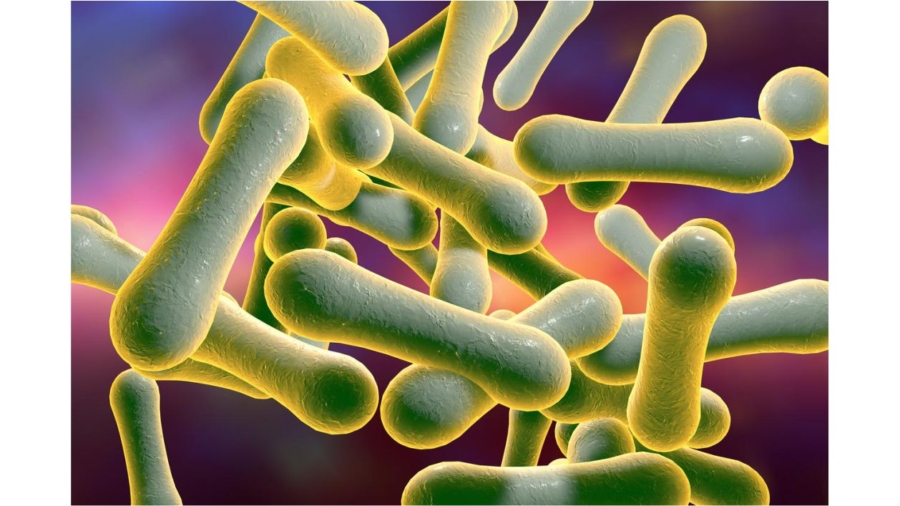
Diphtheria is caused by the bacterium Corynebacterium diphtheriae, certain strains of which produce a toxin capable of damaging tissues and organs. It spreads mainly through respiratory droplets from an infected person, though transmission can also occur through contact with infected wounds or contaminated objects.
Early symptoms can resemble an ordinary respiratory infection: fever, sore throat, weakness, cough, swollen glands or neck, difficulty swallowing and difficulty breathing. In more serious cases, a greyish or whitish membrane develops in the throat or nose — and that is when the situation can become life-threatening. The infection can also affect the heart and nervous system, making rapid diagnosis and treatment extremely important.
This is why parents should not wait for symptoms to become severe before seeking medical attention.
Plateau’s Warning Should Concern the Whole Country
The developments in Plateau State illustrate how quickly a local outbreak can become a broader social problem. The state epidemiologist, Dr Maren Damulak, said suspected cases rose from 149 to 303, while deaths increased from 23 to 27, with about 99 per cent of suspected cases recorded in Jos North.
The response has included isolation and treatment, surveillance, contact tracing, vaccination and community mobilisation. But the closure of schools demonstrates the wider cost of an outbreak. When schools close, education is interrupted; parents must rearrange work and family responsibilities; businesses around school communities lose activity; health facilities face additional pressure; and children who should be in classrooms become part of a public-health emergency. A disease outbreak therefore becomes an education issue, an economic issue and ultimately a governance issue.
The Federal Government Has Responded — But Speed Matters
The Federal Government activated an emergency task force in August to respond to the outbreak, particularly in Kano and Katsina. The multi-agency response involves the Federal Ministry of Health and Social Welfare, the NCDC, the NPHCDA, affected state governments and international partners including WHO and UNICEF.
The government deployed 500,000 vaccine doses to Kano and Katsina and announced plans to strengthen treatment capacity, surveillance and referral services. In Katsina, the state government intensified its own response: by the fifth day of its reactive vaccination campaign, more than 150,000 vaccinations had been administered across five targeted local government areas, according to the state government.
These interventions matter. But Nigeria must also ask a harder question: why did we have to wait for an outbreak before reaching some of these children? Emergency vaccination is important. Routine vaccination is better.
Vaccination Cannot Be Treated as an Occasional Campaign
Nigeria’s childhood immunisation programme is designed to protect against diphtheria as part of combination vaccines. But protection only works when children actually receive the recommended doses. NCDC officials have urged parents to ensure eligible children are fully vaccinated, noting that vaccination is available through primary healthcare facilities.
The challenge therefore extends beyond government. Parents have a role. Communities have a role. Traditional and religious leaders have a role. Teachers and school administrators have a role. Health workers have a role. And governments at federal, state and local levels have a responsibility to make vaccination genuinely accessible.
The conversation must also move beyond simply asking whether a vaccine was administered. Health authorities should continue strengthening post-vaccination surveillance so Nigeria can understand whether vaccinated populations are developing adequate protection and where immunity gaps remain — information that is essential for smarter public-health planning.
Lagos: Vigilance Without Panic
For Lagos, the current situation deserves attention but not panic. Lagos State has reported six confirmed diphtheria cases in 2026, while the state government has stressed that there is currently no outbreak in Lagos and that precautionary surveillance measures are being maintained.
That distinction matters. Nigeria’s commercial capital is highly connected to the rest of the country, with constant movement of people between Lagos and other states. The appropriate response is vigilance — not fear. Parents should ensure their children’s immunisation records are up to date, schools should maintain appropriate health and reporting protocols, healthcare facilities should remain alert to suspected cases, and members of the public should rely on verified information from health authorities rather than unconfirmed social-media messages.
The Danger of Waiting Until a Child Is Critically Ill
One of the most important lessons from this outbreak is the importance of early presentation. Families sometimes begin treatment at home or seek help from informal providers before going to a hospital — and with diphtheria, delays can be dangerous.
The NCDC notes that treatment can include diphtheria antitoxin and antibiotics, with close contacts requiring monitoring and appropriate preventive management. This means communities need to recognise warning signs early. A child with a persistent sore throat, fever, weakness, difficulty swallowing, breathing difficulty, neck swelling or a greyish membrane in the throat should receive urgent medical assessment. The answer is not to panic. The answer is to act early.
This Is Also a Test of Public Trust
Every outbreak eventually becomes a test of trust. Will parents believe health workers? Will communities accept vaccination teams? Will government communicate honestly about what is known and what is not? Will officials provide timely treatment? Will information reach rural communities in languages people understand? And will governments continue investing after the headlines disappear?
These questions matter because public health cannot be built through emergency press conferences alone. It requires a functioning system that communities trust before the crisis begins.
Nigeria Cannot Normalise Preventable Deaths
There is something particularly troubling about a child dying from a disease that vaccination can largely prevent. Nigeria has doctors, epidemiologists, laboratories, vaccines, primary healthcare centres, the NCDC, the NPHCDA, state health agencies and international partners. The country does not lack knowledge about diphtheria.
The challenge is execution. Vaccines must reach children. Parents must accept them. Health workers must identify suspected cases early. Antitoxin and appropriate treatment must be available when needed. Surveillance must work. Data must be timely and transparent. And governments must act before outbreaks become emergencies.
The current diphtheria situation should not become another cycle of alarm, emergency response and eventual silence. It should become a turning point.
Ekocity Verdict: Prevention Must Become the Priority
Nigeria should not measure success simply by how many diphtheria patients it manages to treat. The bigger measure should be how many children never become patients at all.
The Federal Government and the states have taken important steps — emergency vaccination, surveillance, treatment expansion and community mobilisation — and those efforts must continue. But Nigeria needs to go further. The country needs sustained routine immunisation, better primary healthcare coverage, stronger community engagement, improved disease surveillance and faster access to lifesaving treatment. Most importantly, the public needs clear and trusted information.
Diphtheria is not Nigeria’s destiny. It is a preventable disease. And if a preventable disease is allowed to repeatedly take the lives of Nigerian children, then the tragedy is not simply the disease itself.
The tragedy is that we knew how to prevent it — and did not reach everyone in time.
Ekocity Health & Public Affairs Desk — September 14, 2026

Fawumi Kayode Abiodun
Political Analyst | CEO, Ekocity Media | Publisher, Ekocity Magazine and The Capitol Post
Add a Comment