From Lagos to Times Square: Dangote Refinery Takes a Nigerian Industrial Story to the World
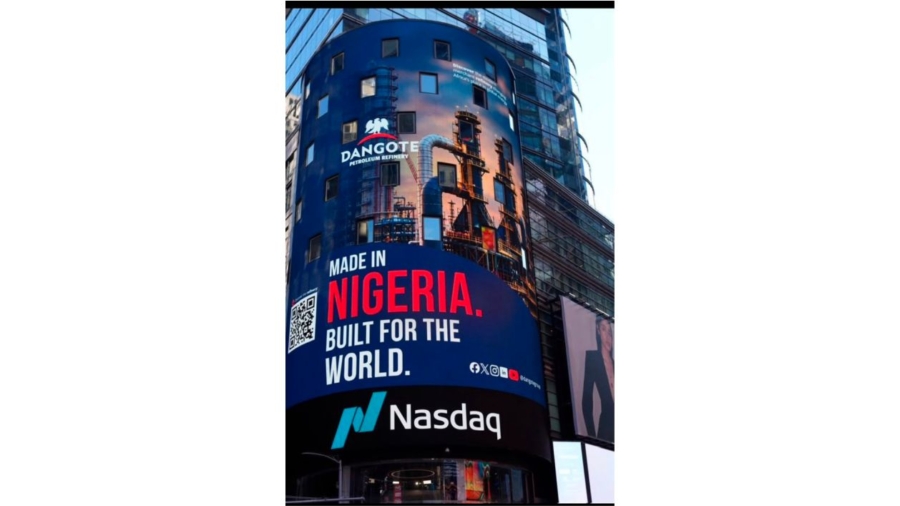
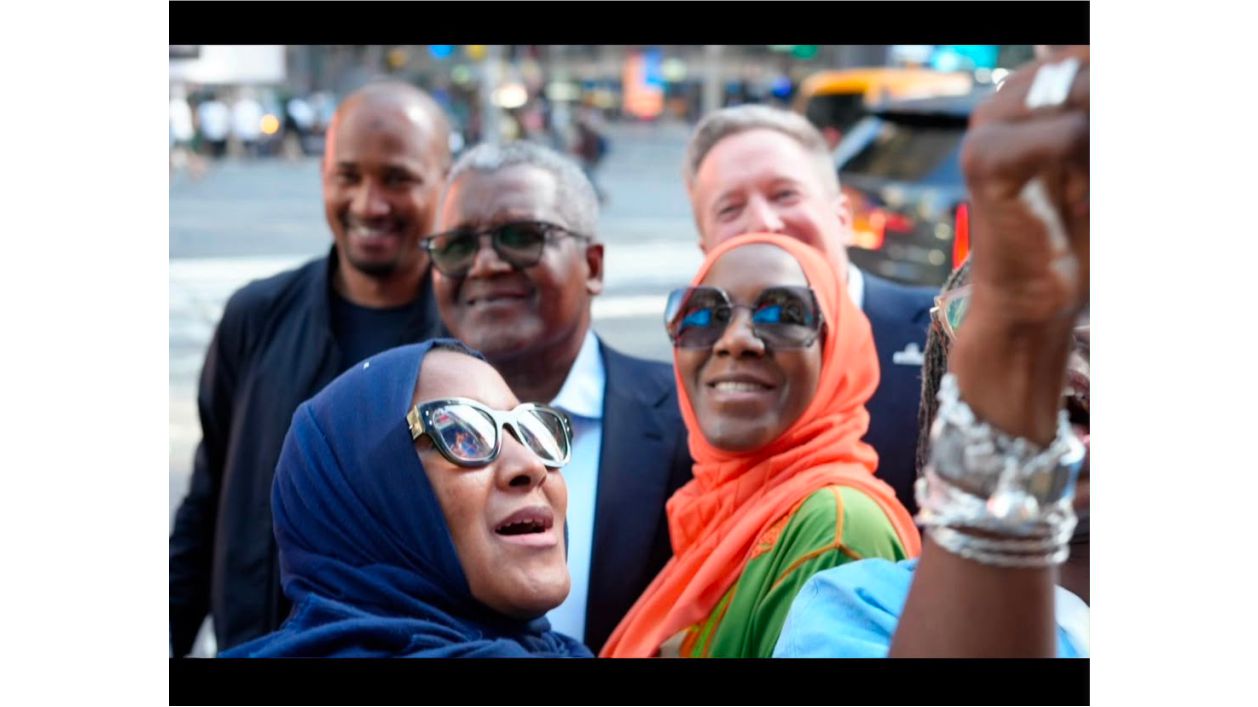
There are moments when a business story becomes larger than the company behind it. The image shared by Dangote Petroleum Refinery from Times Square, New York, is one of those moments. The screenshot shows a message built around a powerful idea: a Nigerian industrial enterprise placing its identity on one of the world’s most recognisable commercial stages. At the centre of the post is Aliko Dangote, President and Chief Executive, alongside members of the Dangote leadership team, as the story of the refinery is projected into the heart of Manhattan. The message is simple but significant: Made in Nigeria. Built for the world.
Beyond a Refinery The Dangote Refinery has increasingly become more than an energy project. It represents an attempt to change how Nigeria participates in the global petroleum value chain. For decades, Nigeria has been one of the world’s major crude-oil producers while remaining heavily dependent on imported refined petroleum products. That contradiction has shaped the country’s energy economy for generations.
The refinery represents a different proposition—using Nigerian crude and Nigerian capital to build large-scale refining capacity capable of serving both domestic and international markets. That makes the Times Square image more than corporate advertising. It is a statement about industrial ambition. Why Times Square Matters Times Square is one of the world’s most powerful symbols of visibility, commerce and global business.
Putting the Dangote Refinery story there creates a striking contrast. The refinery itself sits on the Lekki coastline in Lagos, thousands of kilometres away from New York. Yet its brand is being presented in an environment where some of the world’s biggest companies compete for attention. That visual communicates something important about the changing ambitions of African businesses. For decades, Africa was predominantly presented to the world through stories of commodities, poverty, instability and aid.
The emerging African corporate story is different. It is increasingly about capital, manufacturing, technology, infrastructure and ownership of value chains. Dangote is attempting to position itself within that narrative.
The Real Message: African Enterprises Can Think Globally The most interesting sentence in the post may be the final one:
“Made in Nigeria. Built for the world.”
That is a powerful business philosophy. It suggests that the ultimate objective of an African industrial company should not necessarily be to build exclusively for the African market. Nigeria can be the manufacturing base, Africa the immediate market, and the world the long-term opportunity. That philosophy is particularly relevant to energy.


Refining is only one part of the petroleum value chain. Around it are opportunities in crude supply, petrochemicals, logistics, shipping, storage, engineering, maintenance, industrial manufacturing and downstream distribution. If properly developed, these industries can create an ecosystem rather than simply another large industrial facility. The Bigger Question for Nigeria But symbolism alone does not transform an economy.
The real test will be whether projects of this scale can stimulate a broader Nigerian industrial ecosystem. Can local companies move beyond providing basic services to becoming internationally competitive engineering, technology, logistics and energy companies? Can Nigerian manufacturers supply more of the equipment and materials required by major industrial projects? Can the country develop the skilled workforce needed to operate increasingly sophisticated energy infrastructure? And can Nigeria build the policy, infrastructure and financial environment required for other indigenous companies to follow? These are ultimately more important questions than how brightly a Nigerian company appears on a New York billboard. From One Man’s Vision to an Industrial Ecosystem
Aliko Dangote’s journey has often been described through the language of entrepreneurship and wealth creation. The refinery introduces another dimension: industrial nation-building through private capital. Whether one agrees with every aspect of the Dangote business model or not, the scale of the ambition is difficult to ignore. A Nigerian-owned industrial project appearing on the digital screens of Times Square offers a symbolic reversal of the traditional direction of global business. Instead of the world coming into Nigeria merely to extract resources, a Nigerian enterprise is attempting to build capacity at home and project its brand outward.
That is the significance of this photograph.
The most important story may therefore not be the billboard itself.
It is the question of whether Nigeria can produce more companies capable of taking Nigerian ideas, Nigerian capital and Nigerian talent to the global stage. Because if the answer is yes, Times Square should not be the destination. It should be the beginning.
Ekocity Magazine | Energy, Business & Industrial Development

Fawumi Kayode Abiodun
Political Analyst | CEO, Ekocity Media | Publisher, Ekocity Magazine and The Capitol Post


Add a Comment