

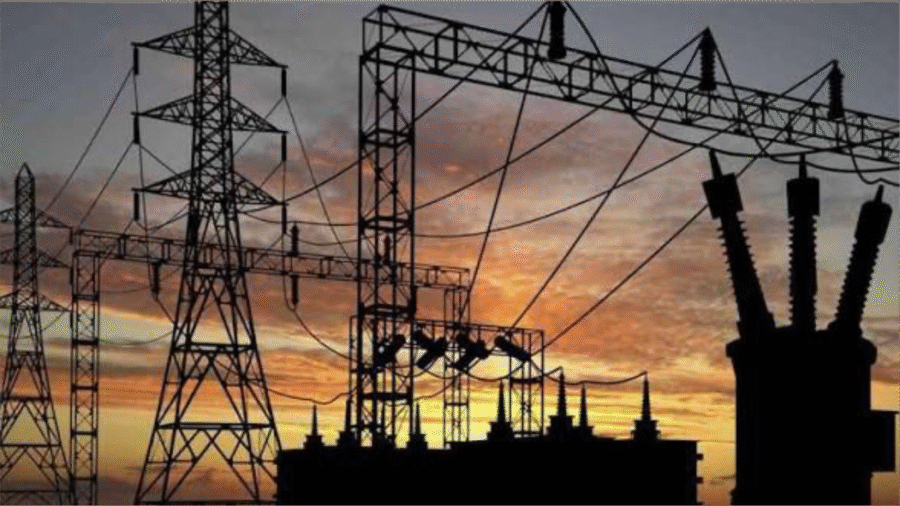
New Power Rules Aim to Stop Wasted Electricity in Nigeria
Nigeria is taking a fresh step to tackle one of the most persistent weaknesses in its power sector—electricity losses that occur before energy even reaches consumers.
In a new regulatory move, the Nigerian Electricity Regulatory Commission has introduced stricter rules to monitor and reduce electricity lost during transmission across the country. The directive places strong emphasis on accurate tracking, transparent reporting, and measurable reductions in system losses.
A significant share of Nigeria’s electricity challenges lies within the transmission network, where power is lost due to technical inefficiencies, weak infrastructure, and poor monitoring systems. While recent data shows slight progress, regulators say the situation remains far from acceptable.
Transmission losses declined to 7.24 per cent in 2025 from 8.71 per cent in 2024. However, this still exceeds the regulatory benchmark of 7 per cent, underscoring the scale of inefficiencies within the system.
To close this gap, the new rules mandate system operators to deploy smart meters at critical regional transmission points by the end of 2026. These meters are expected to provide real-time insights into energy flows, helping authorities identify where losses are highest and take corrective action.
In addition, operators are now required to maintain detailed records of electricity passing through transformers and submit quarterly performance reports. The move is aimed at strengthening accountability and replacing long-standing estimation practices with verifiable data.
The Transmission Company of Nigeria has also been tasked with developing and submitting a comprehensive loss-reduction strategy. Under the new framework, the company is expected to meet a tighter target of 6.5 per cent transmission losses by December 2026.
The regulation signals a shift in focus toward eliminating systemic waste in the electricity value chain. By enforcing stricter monitoring and data-driven oversight, regulators hope to ensure that more generated power reaches end users, improving both efficiency and service delivery.
If effectively implemented, these measures could mark a turning point for Nigeria’s power sector—reducing hidden losses, strengthening operational transparency, and ultimately delivering more reliable electricity to consumers.
Blessing Anolaba
Editorial & Creative Correspondent
A storyteller and journalist passionate about telling stories for policy change and impact.
Add a Comment