

Nigeria Spends N1.18tn on Imported Vehicles: But Is the Transport System Improving?
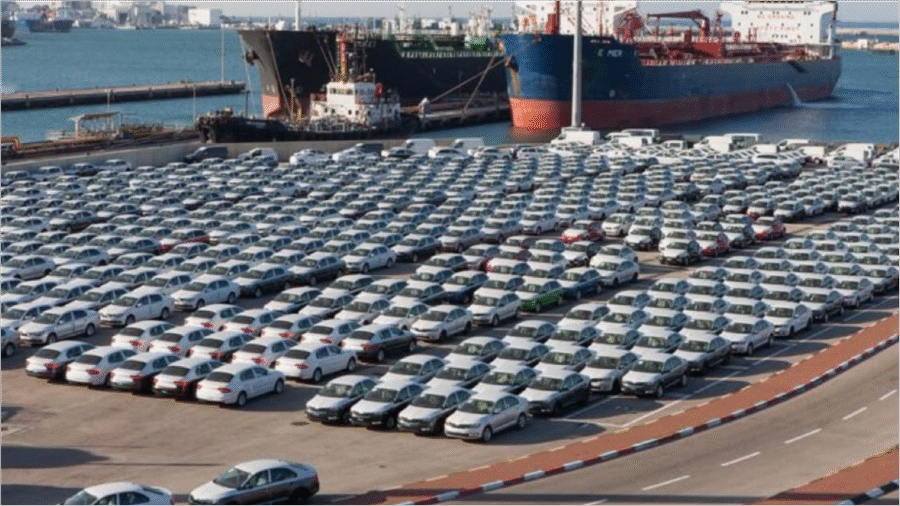
Nigeria spent N1.18 trillion importing passenger vehicles in the first six months of 2026; a 145.6 per cent increase from the N479.26 billion recorded during the same period in 2025.
The figure raises a bigger question than how much Nigerians are spending on vehicles: what exactly are we building with all these vehicles, and is it making transportation better for citizens?
Overall, Nigeria spent N3.73 trillion on transport equipment and parts between January and June 2026, up 44.2 per cent from N2.59 trillion in the same period last year.
This comes at a time when the government is introducing several interventions aimed at making transportation cheaper and cleaner. Import duties have been waived on electric vehicles, mass-transit buses and related manufacturing equipment, while states are expected to increase the use of compressed natural gas and electric vehicles.
But interventions are only meaningful when citizens can feel their impact.
For the average Nigerian, the transport crisis is not about how many vehicles enter the country. It is about how much it costs to get to work, take children to school, move goods, access healthcare or travel between communities.
So the question is: will these new measures actually strengthen Nigeria’s transport system or will they become another intervention that looks good on paper but simply ticks a box?
Nigeria needs more than vehicles. It needs an affordable, reliable and connected transport system, one that reduces the burden on citizens rather than simply adding more vehicles to already congested roads.
The real measure of success should not be how much government spends or how many vehicles are imported.
It should be whether Nigerians can move around more easily and affordably.
Blessing Anolaba
Editorial & Creative Correspondent
A storyteller and journalist passionate about telling stories for policy change and impact.
Add a Comment