

Nigeria’s Agricultural Imports Fall 8.5% to N2.03tn in H1 2026
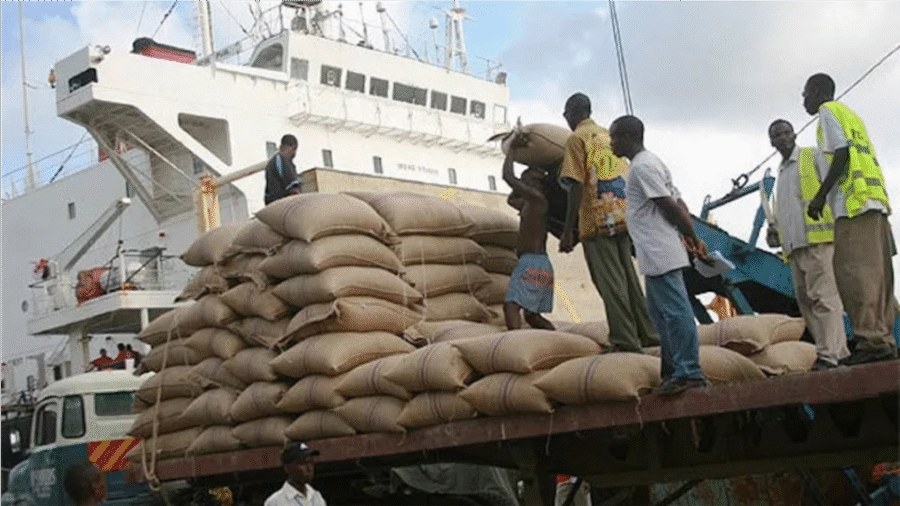
Nigeria’s agricultural imports declined by 8.5 per cent to N2.03 trillion in the first half of 2026, according to data from the National Bureau of Statistics (NBS), pointing to a modest reduction in the country’s reliance on imported agricultural products.
The figure represents a decrease from the N2.22 trillion recorded in the corresponding period of 2025.
The decline comes as the Federal Government continues to promote domestic food production, agricultural mechanisation and policies aimed at strengthening local supply chains and reducing Nigeria’s dependence on imported food and agricultural inputs.
Despite the reduction, the N2.03 trillion import bill highlights the significant amount of foreign exchange still being spent to meet the country’s agricultural and food-related needs.
Nigeria’s agricultural sector continues to face challenges including limited access to finance, inadequate mechanisation, insecurity in farming communities, poor rural infrastructure, high input costs and disruptions across supply chains.
These challenges have continued to affect farmers’ ability to increase production and consistently meet domestic demand.
The decline in agricultural imports could therefore be a positive signal if it reflects stronger domestic production and improved local supply. However, a reduction in imports alone does not necessarily mean that Nigeria is becoming more food secure.
For consumers, the more important question is whether increased domestic production is translating into greater food availability and more affordable prices.
The development also places greater attention on the government’s agricultural interventions, particularly efforts to expand mechanisation, improve access to agricultural finance and support farmers with the infrastructure needed to increase productivity.
With Nigeria’s large and growing population, reducing the agricultural import bill will require more than restricting imports. It will depend on whether local farmers and agribusinesses can produce enough, move products efficiently and compete sustainably.
The latest figures therefore present both an opportunity and a challenge: Nigeria is importing less agricultural products, but the real test is whether the country is producing enough to replace what it no longer imports and whether Nigerians can feel the difference.
Blessing Anolaba
Editorial & Creative Correspondent
A storyteller and journalist passionate about telling stories for policy change and impact.
Add a Comment