

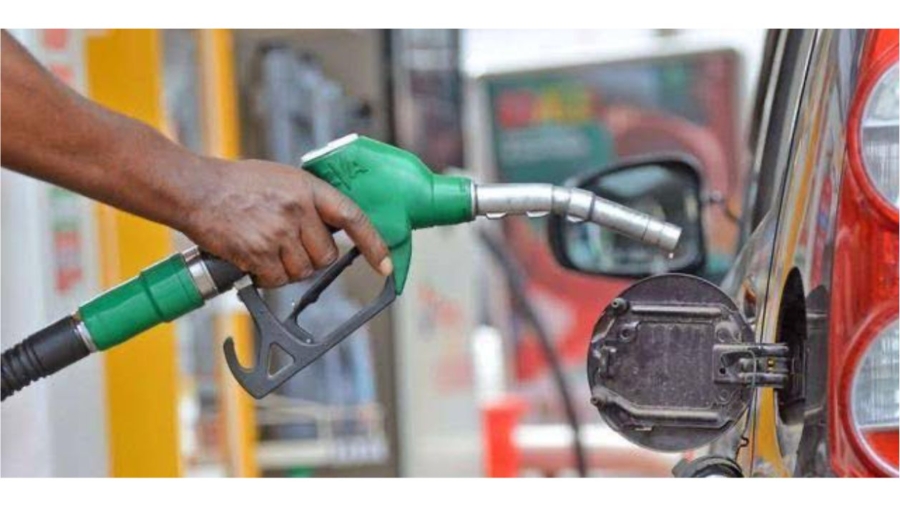
Petrol Price Rises Again as NNPCL, Marketers Adjust Pump Prices Across Nigeria
Abuja, August 31, 2026- The pump price of Premium Motor Spirit (PMS), popularly known as petrol, has increased across several filling stations in Nigeria, with motorists in Abuja and other parts of the country paying more following a fresh adjustment in the cost of refined petroleum products. In the Federal Capital Territory (FCT), the latest increase has pushed petrol prices at some stations to between ₦1,270 and ₦1,300 per litre, according to checks conducted in Abuja. The Nigerian National Petroleum Company Limited (NNPCL) adjusted its pump price from ₦1,250 to ₦1,270 per litre, while AY Shafa also increased its price from ₦1,250 to ₦1,270 per litre. Optima retail outlets, meanwhile, raised their price from ₦1,260 to ₦1,300 per litre. The latest adjustments follow a series of increases in the ex-depot price of petrol by the Dangote Petroleum Refinery. The refinery reportedly raised its gantry price from ₦1,165 per litre to ₦1,185, before increasing it further to ₦1,200 and subsequently ₦1,265 per litre within one week. The most recent increase represents a ₦65 per litre rise from the previous ₦1,200 gantry price.
Why petrol prices are rising? The latest increase is occurring within Nigeria’s deregulated downstream petroleum market, where pump prices respond to changes in the cost of supplying refined products. The Independent Petroleum Marketers Association of Nigeria (IPMAN) said marketers were compelled to review their prices following the successive adjustments by the Dangote refinery. According to IPMAN’s National Publicity Secretary, Chinedu Ukadike, marketers cannot continue selling petrol below the cost of replacing their existing stock. He also noted that frequent price adjustments are creating uncertainty for both marketers and consumers. The development comes despite a recent decline in international crude oil prices. Reports on Monday put Brent crude at about $88.10 per barrel, while West Texas Intermediate (WTI) was also lower.
The impact on consumers is quite unbearable. The latest petrol increase is expected to add further pressure to household and business expenses, particularly through transportation and logistics costs. For motorists, a rise from ₦1,250 to ₦1,300 per litre means an additional ₦2,500 for every 50 litres purchased. For businesses that depend heavily on vehicles, generators and transportation, the effect could be considerably larger. An economist, Samson Ogunjimi, described the situation as a growing financial burden on Nigerians and called for measures to stabilise fuel prices and reduce pressure on households and businesses.
Prices vary across the country. Despite the latest adjustments, there is no single pump price for petrol nationwide. Prices differ according to location, supplier, transportation costs and individual marketers. Industry reports indicate that petrol prices have already crossed the ₦1,300-per-litre mark at some locations, with further increases being recorded as marketers respond to higher supply costs. For consumers, the latest development means that checking prices at individual filling stations remains important, as two outlets within the same city may sell petrol at different rates.
With the downstream market continuing to respond to changes in refinery prices and supply conditions, motorists and businesses may face further price adjustments in the coming days.
Blessing Anolaba
Editorial & Creative Correspondent
A storyteller and journalist passionate about telling stories for policy change and impact.
Add a Comment