

Policy vs Execution: Lagos Leadership Summit 2026
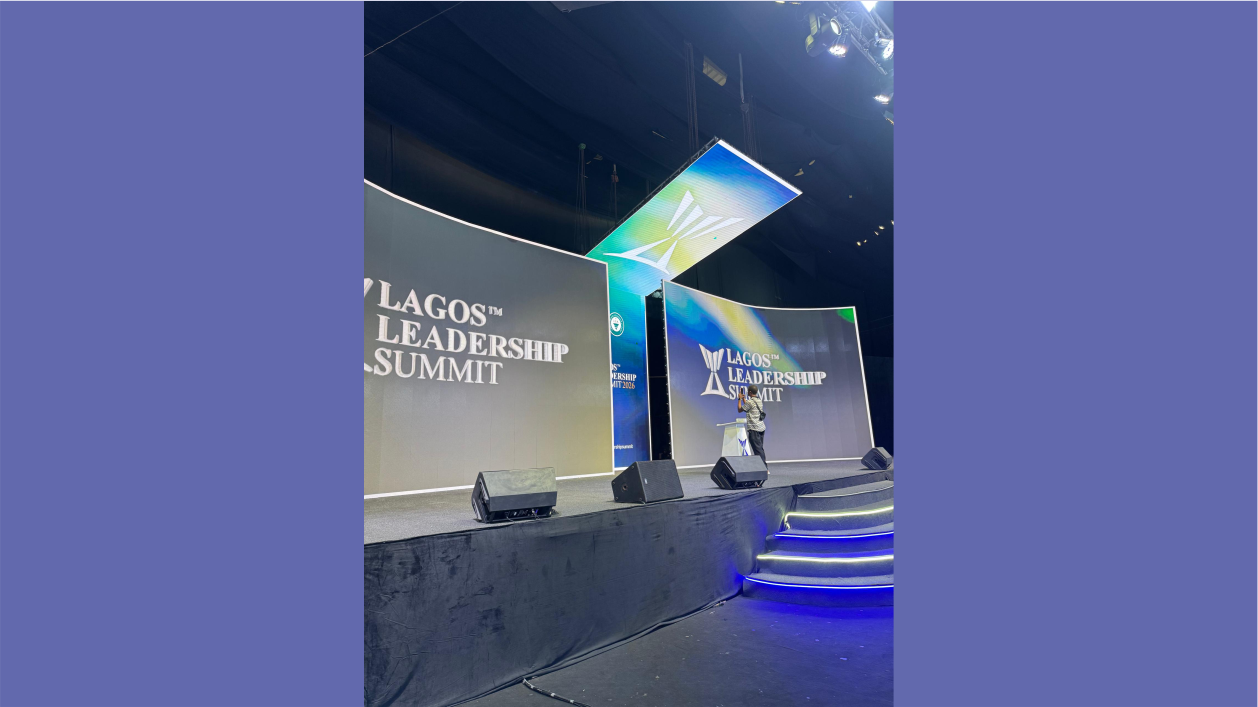
The Lagos Leadership Summit 2026, convened by the Lateef Jakande Leadership Academy, brought together policymakers, global leaders and emerging changemakers in Lagos on April 29 for high-level discussions on governance, leadership and sustainable development across Africa.
Anchored on the theme “Building Systems That Outlive Us,” the summit focused on the urgent shift from personality-driven leadership to resilient institutions capable of delivering long-term impact.
A central highlight was a flagship debate interrogating whether Africa’s development challenges stem from weak policies or poor execution. The session framed two competing arguments ineffective policy design versus systemic failures in implementation but ultimately reinforced a dominant consensus: while ideas are plentiful, execution remains the continent’s most critical gap.
Discussions on institutional leadership, led by figures including former Liberian President Ellen Johnson Sirleaf, emphasized the need to build durable public institutions, ensure continuity beyond political cycles, and strengthen governance frameworks. Speakers repeatedly stressed that sustainable development depends on systems rather than individuals.
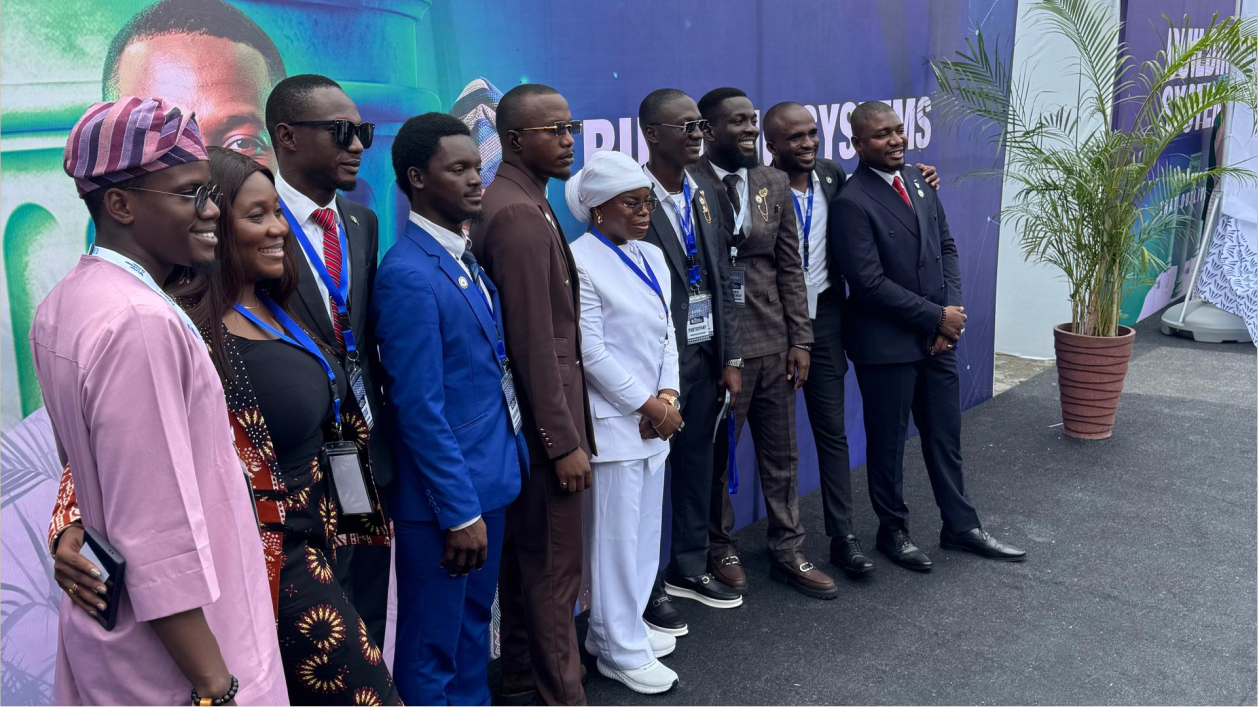
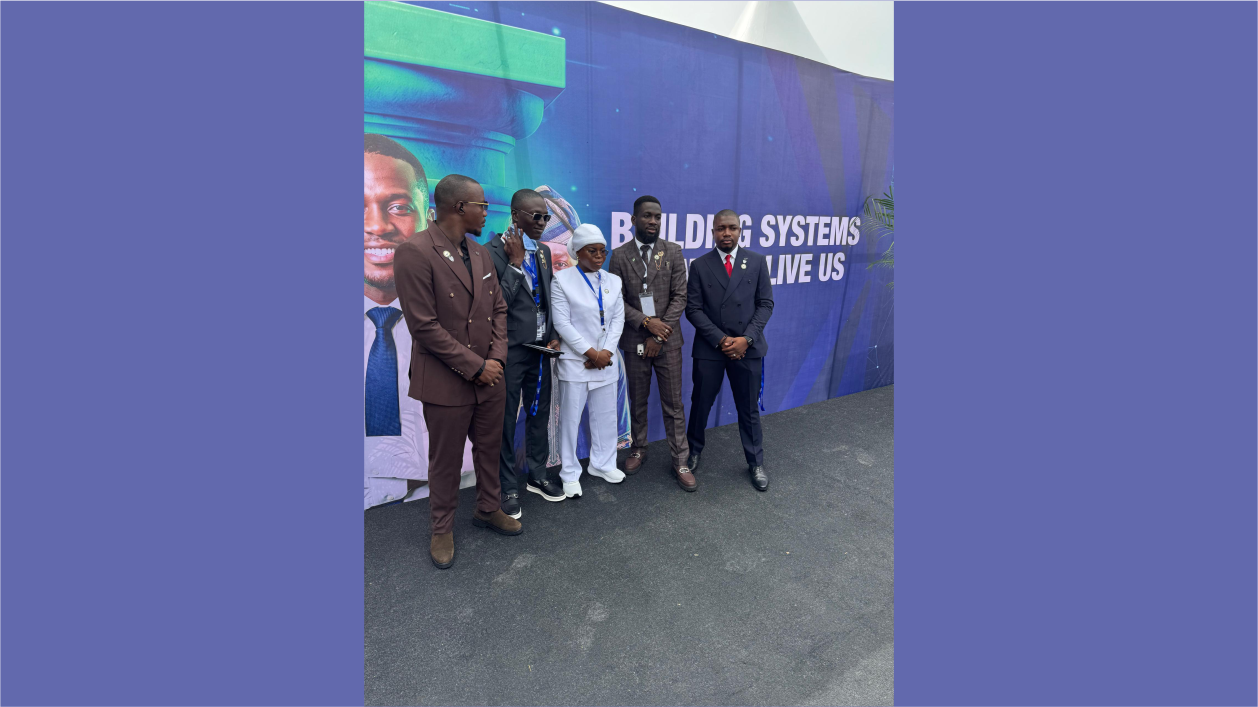
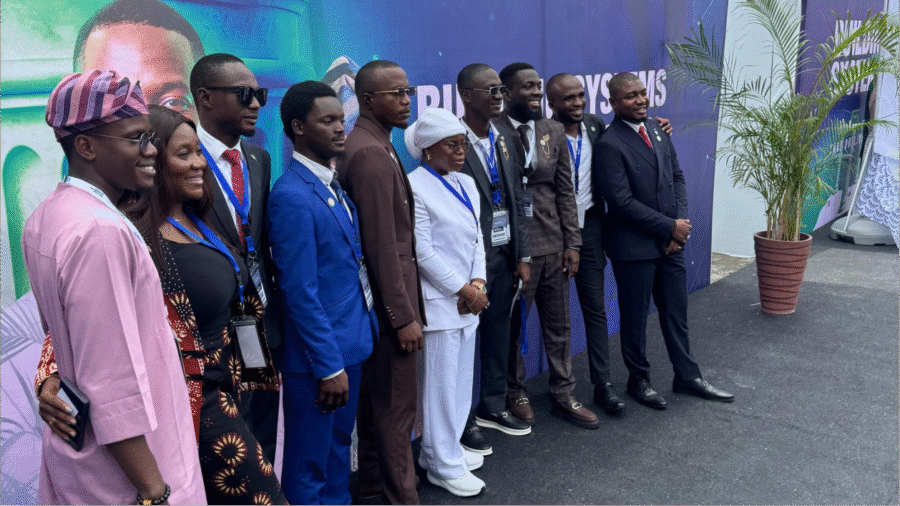
Youth participation also featured prominently, with stakeholders calling for a shift from mentorship to active sponsorship. Participants highlighted the importance of creating pipelines that embed young leaders within decision-making structures, noting that access not just inspiration, remains a major barrier.
Sessions on inclusive leadership underscored the role of gender and diversity in improving governance outcomes. Speakers argued that increasing women’s representation and building systems that reflect broader society are not only ethical imperatives but also strategic advantages.
Across multiple panels, the issue of policy implementation emerged as a recurring theme. Participants examined why well-crafted policies often fail at the delivery stage, pointing to weak accountability mechanisms and limited performance tracking systems. The conversations reinforced the idea that execution is the bridge between vision and tangible results.
The summit also explored public–private collaboration as a driver of innovation and efficiency. Stakeholders highlighted the role of the private sector in strengthening public systems and advancing urban and economic development through cross-sector partnerships.
Overall, the summit delivered a clear message: Africa’s progress will depend not just on the quality of its ideas, but on the strength of its institutions and the effectiveness of its execution. By combining policy dialogue with practical insights on delivery, inclusion and youth engagement, the gathering positioned itself as a platform for both reflection and direction.
Blessing Anolaba
Editorial & Creative Correspondent
A storyteller and journalist passionate about telling stories for policy change and impact.
Add a Comment