

Rising Prices, Shrinking Lives: The Human Cost of Inflation in Nigeria
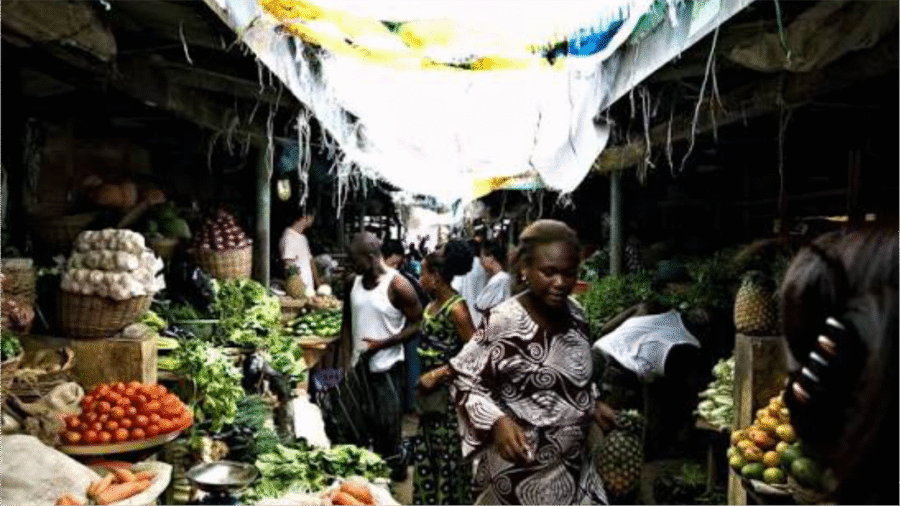
Nigeria’s inflation crisis is no longer just an economic statistic—it is a daily, lived reality reshaping how millions survive. With food prices climbing, transportation costs surging, and basic services becoming less affordable, the burden is falling hardest on ordinary Nigerians whose incomes have not kept pace with the rising cost of living.
Recent data from the National Bureau of Statistics shows that inflation remains stubbornly high, driven largely by food inflation. Staple items such as rice, garri, bread, and cooking oil have seen steep price increases over the past year. For many households, what used to be routine purchases have now become difficult choices.
Across cities like Abuja, Lagos, and Kano, families are adjusting in quiet but significant ways. Meals are being skipped. Portions are getting smaller. Parents are prioritizing children’s feeding over their own, while others are turning to cheaper, less nutritious alternatives just to get by. The result is not only hunger, but a slow erosion of health and wellbeing.
For low-income earners, the situation is even more severe. Transport fares have risen sharply following fuel subsidy removals and fluctuations in exchange rates. Workers now spend a larger share of their income just getting to their jobs. In some cases, people are forced to walk long distances or reduce how often they go to work, directly affecting productivity and income stability.
The pressure extends beyond food and transport. Rent, school fees, and healthcare costs are also rising. A visit to a primary healthcare center—once considered the most affordable option—can now strain already stretched budgets. Nursing mothers, in particular, face difficult decisions: whether to spend on nutritious food, medical care, or other basic needs. The consequences are far-reaching, affecting child development and long-term public health outcomes.
Small businesses, often seen as the backbone of Nigeria’s economy, are struggling to stay afloat. Rising costs of raw materials, electricity, and logistics are forcing many to increase prices or shut down entirely. This, in turn, leads to job losses, creating a cycle where reduced incomes further weaken purchasing power.
While macroeconomic policies aimed at stabilizing the economy are ongoing, their effects are yet to translate into relief for the average citizen. Analysts warn that without targeted social protection measures, the most vulnerable populations will continue to bear the brunt of the crisis.
Inflation, in Nigeria today, is more than an economic challenge—it is a human one. It is seen in the mother who cannot afford three meals a day for her children, the worker who spends half their salary on transport, and the small business owner on the brink of collapse. Until policies begin to address these everyday realities, the true cost of inflation will continue to be paid not in percentages, but in diminished lives and lost opportunities.
Blessing Anolaba
Editorial & Creative Correspondent
A storyteller and journalist passionate about telling stories for policy change and impact.
Add a Comment