

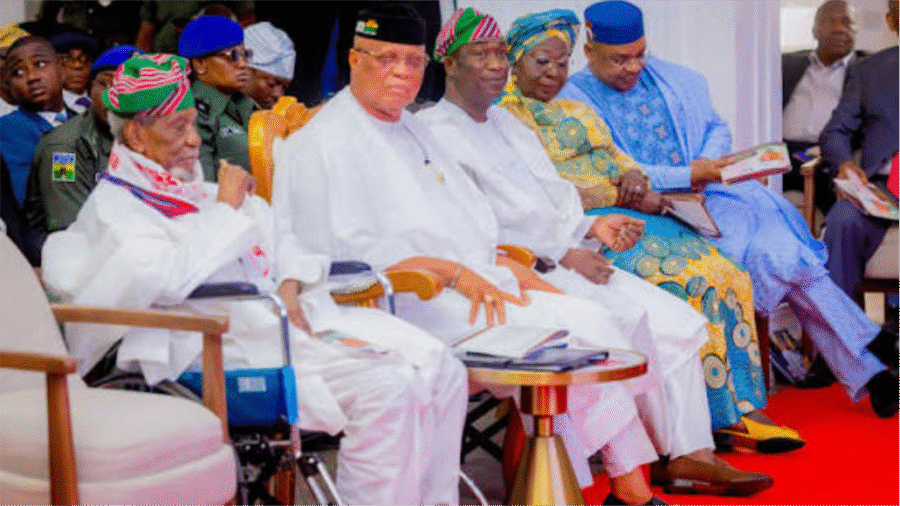
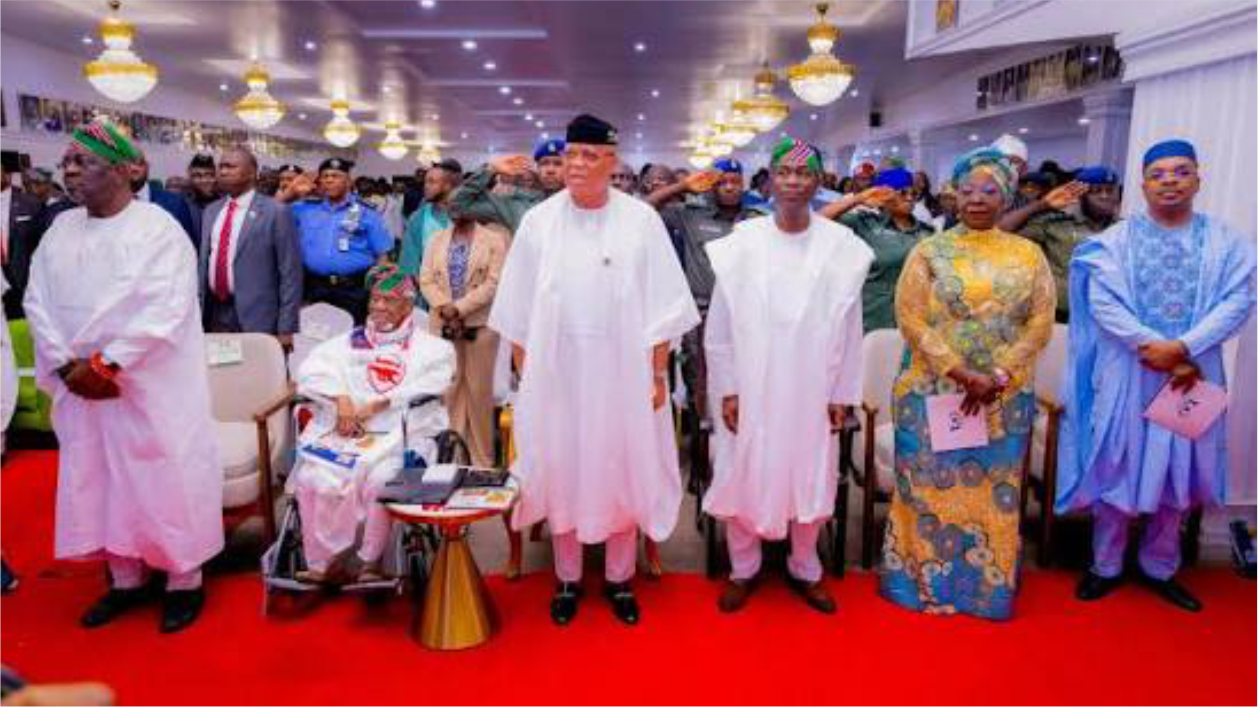
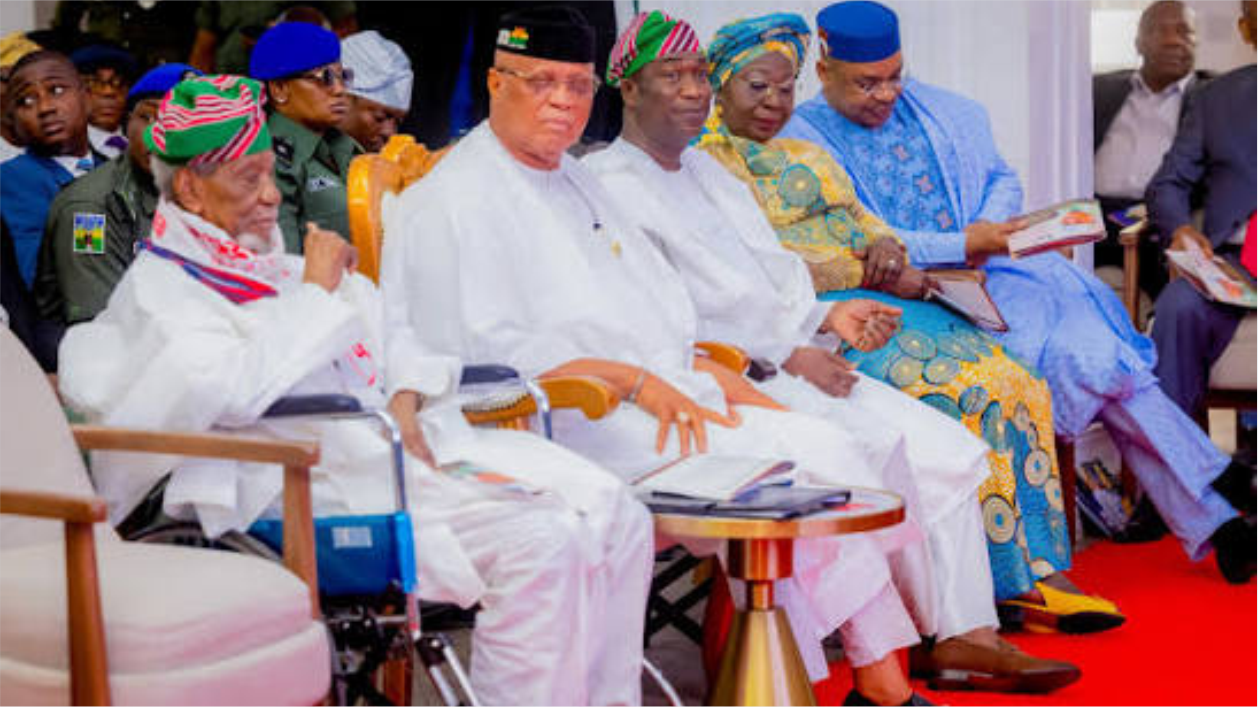
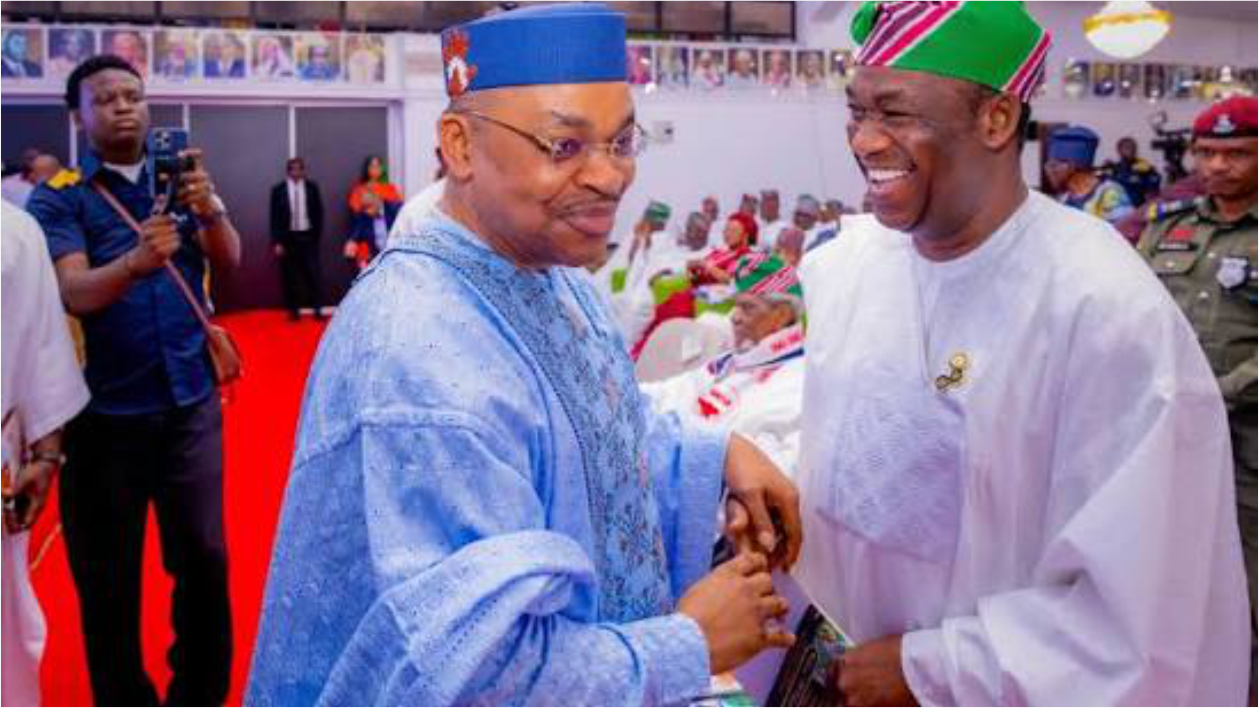
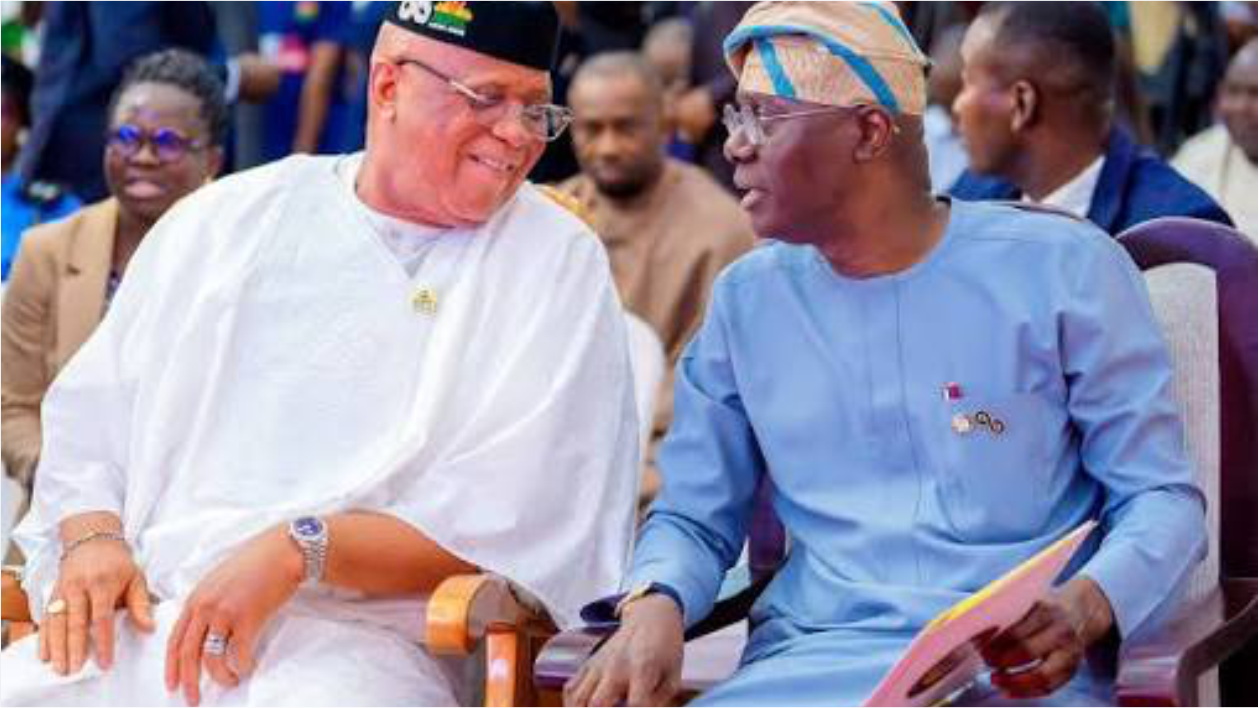
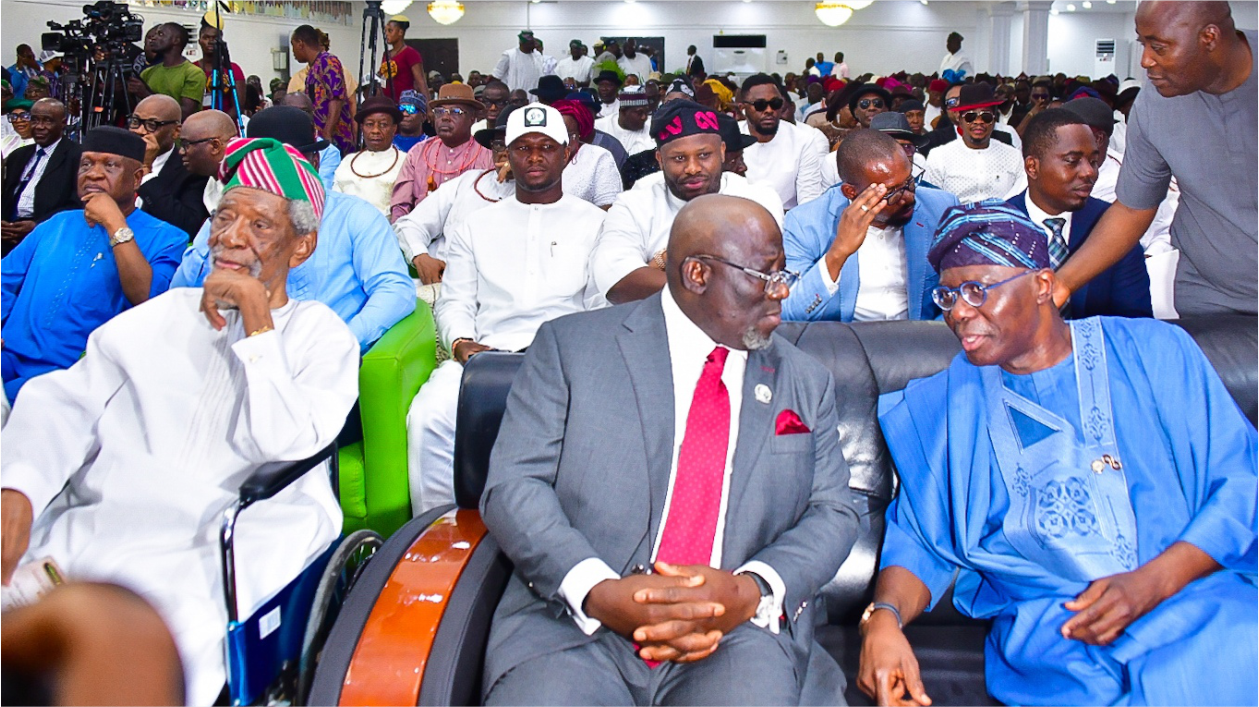
The Sanwo-Olu lecture, titled “Built to Last: A Century at the Forefront and the Long Work of Making a City,” doubles as a centenary history book launch and the groundbreaking of a legacy project — ensuring the celebration leaves physical and intellectual monuments behind, not just memories.
A Club Born of Exclusion, Built on Inclusion
The irony of the Yoruba Tennis Club’s story is that a club founded in response to racial exclusion grew into one of Nigeria’s most cosmopolitan institutions.
Despite its name, the club has never restricted membership to Yoruba people. From its inaugural meeting, the founders deliberately opened its doors to people of different backgrounds, tribes and walks of life. Over the decades, its membership rolls have included prominent names in Nigerian public life, from businessman and philanthropist Mobolaji Bank-Anthony to politician and diplomat Ademola Rasaq Seriki.
Its first chairman, V. Ade Allen, led the club for eleven years and set the tone of a tradition governed by custom, honour and mutual regard. Beyond tennis, which remains its sporting soul, the club offers billiards, table tennis, draughts and chess in its Games Village, alongside event halls that have hosted generations of Lagos celebrations.
Why This Centenary Matters
Institutions like the Yoruba Tennis Club rarely make headlines, yet they form part of the invisible architecture of Nigerian society.
For a century, the club has served as a venue for fellowship across class lines, a nursery of business partnerships and political friendships, a custodian of Yoruba cultural traditions, and a rare space where generations of Nigerian professionals have gathered without the divisions of party, faith or ethnicity.
The August Cultural Week made that role explicit. It opened with the Abalabi dance, continued with a cultural colloquium led by Professor Peter Fatomilola of Obafemi Awolowo University, marked its Traditional Day under the royal patronage of the Alake of Egbaland, Oba Adedotun Aremu Gbadebo III, and closed with the Ikase ceremony and an inter-faith service.
The centenary has also drawn state recognition: the Lagos State Records and Archives Bureau partnered with the club for its September 5 commemoration, and the Norman Williams exhibition has opened the club’s archives — vintage photographs, historic journals, foundational documents and antique sporting equipment — to the public, researchers and historians.
The Longer Lesson
The story of the Yoruba Tennis Club carries a message that reaches well beyond its membership.
It demonstrates that Nigerian institutions can last — that a private association founded by young professionals in a colonial city can survive a century of constitutional change, economic upheaval, urban transformation and generational turnover, and emerge not diminished but more relevant.
In a country where too many institutions are built around individuals rather than ideas, a hundred years of continuity is worth studying. The club’s survival rests on things Nigeria as a whole constantly debates: shared identity, voluntary association, custodianship of tradition, and the patience to build for the long term.
As Governor Sanwo-Olu’s lecture title suggests, the work of making a city — or a nation — is long work. The founders who met at 75 Tokunboh Street in 1926 understood that the game they were playing was not only tennis.
It was the game of building something built to last.
One hundred years on, the scoreboard speaks for itself.
EKOCITY CULTURE & HERITAGE DESK — September 15, 2026

Fawumi Kayode Abiodun
Political Analyst | CEO, Ekocity Media | Publisher, Ekocity Magazine and The Capitol Post
Add a Comment