

Ember to Remember: How Nigeria Is Turning the Festive Season Into a 100-Day Economy
From September homecoming to December’s biggest concerts, Nigeria is attempting to transform its famous festive season from a period of celebration into a structured tourism, hospitality, entertainment and business opportunity.
By Ekocity Business, Tourism & Lifestyle Desk
There is something about the final months of the year in Nigeria. The air changes, calendars become crowded, and the country begins to move. Airports grow busier, hotels start to fill, event planners work overtime, restaurants prepare for heavier traffic, and fashion designers take orders for weddings and parties. Concert promoters announce dates, diaspora Nigerians begin making travel plans, and families start discussing Christmas.
And Lagos begins preparing to become a different city.
For years, Nigerians have simply called it the “ember months.” But in 2026, the Federal Government wants to give that familiar season a new identity — and, more importantly, a new economic purpose. That identity is “Ember to Remember.”
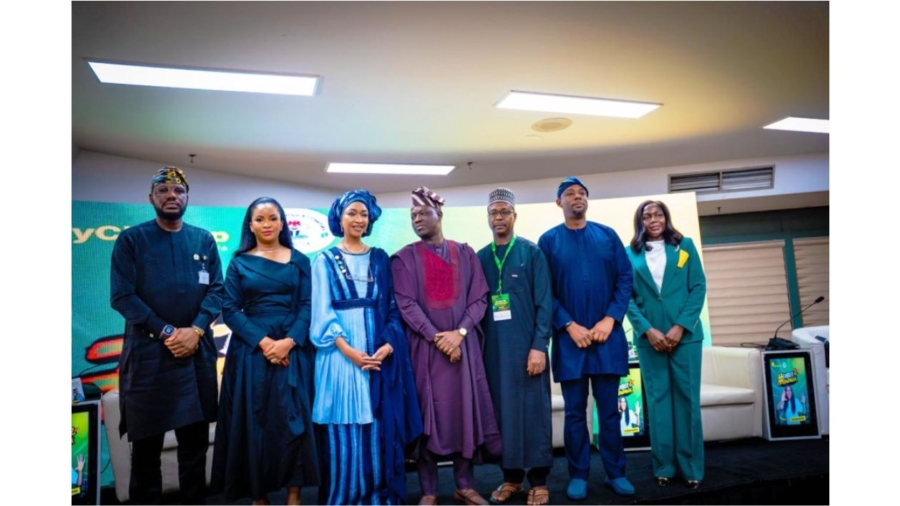
On September 14, the Federal Ministry of Art, Culture, Tourism and the Creative Economy formally flagged off a 100-day national tourism season, designed to run from September through December and connect tourism, entertainment, culture, hospitality, transportation, commerce and the creative economy. The ambition is considerably bigger than December partying: it is an attempt to turn Nigeria’s annual festive explosion into an organised economic ecosystem.
From “Detty December” to “Ember to Remember”
For international audiences, “Detty December” has become almost synonymous with Lagos — concerts, nightlife, beach parties, fashion, food, weddings, family gatherings and an extraordinary concentration of entertainment. But the phenomenon has also exposed a bigger economic reality: when millions of people move around a city for entertainment, somebody earns money at every stage of the journey.
The airline earns from the ticket, the hotel from the room, the taxi driver from airport transfers, the short-let operator from accommodation, the restaurant from meals, the promoter from ticket sales, the musician from performance, the DJ from appearances, the designer from outfits, the makeup artist from bookings, the photographer from memories, the security company from event protection, the telecommunications provider from data usage, the bank from payments, and the food vendor, supermarket and local artisan from increased custom.
This is the economy hiding underneath the party — and Ember to Remember is an attempt to organise it.
A National Calendar, Not Just a Lagos Party
One of the most interesting elements of the initiative is its attempt to move the conversation beyond Lagos. The government, working with MyCityApp, is developing a National Digital Events and Experiences Calendar intended to showcase events across all 36 states and the Federal Capital Territory.
That matters. Nigeria’s tourism story is much bigger than Victoria Island, Lekki and Banana Island. There is the ancient city of Kano, the hills of Plateau, the waterfalls and forests of the South-East, the cultural heritage of Osun, the beaches and waterways of Lagos, Calabar’s carnival culture, Abuja’s growing hospitality industry, the historic landscapes of northern Nigeria, the coastal communities of the Niger Delta, the heritage of Benin, and the cultural wealth of Ekiti, Ondo and Oyo. The challenge has never been a shortage of attractions; it has been packaging, visibility, infrastructure, access and coordination. That is precisely where Ember to Remember could become significant.
The Business Behind the Celebration
Tourism is often misunderstood as people simply travelling to see places. Modern tourism is an interconnected economic chain. A visitor arriving in Lagos does not only spend money on a hotel: that visitor may take an airport transfer, eat breakfast, attend a concert, hire a stylist, visit a beach, purchase clothing, use telecommunications services, dine out, book a boat cruise and buy gifts before returning home. The same principle applies in Calabar, Osun, Kano, Abuja or any other Nigerian destination. The visitor becomes an economic multiplier.
That is why the Federal Government has described Ember to Remember as more than an events calendar: the stated objective is to deliberately build an economy around experiences and connect visitors with businesses across the tourism ecosystem.
The $100 Billion Question
The scale of the ambition is enormous. The 2026 campaign has been promoted around the broader objective of unlocking a potential $100 billion tourism and creative-economy opportunity, with BusinessDay reporting that the Federal Government sees the initiative as part of its wider economic strategy and creative-industry job ambitions.
That figure should be understood as an economic ambition, not money already generated by the Ember season — and the distinction matters. Nigeria should not measure tourism success by announcements, but by visitor numbers, length of stay, spending per visitor, hotel occupancy, domestic travel, international arrivals, jobs created, tax revenue, new tourism businesses and, ultimately, how much money remains within Nigerian communities. If Ember to Remember succeeds, the data should eventually tell the story.
Lagos: The Engine Room
For all the national ambitions, Lagos will remain the gravitational centre of Nigeria’s festive economy. The city’s combination of international connectivity, nightlife, entertainment, restaurants, luxury hospitality, beaches, shopping, fashion and corporate activity gives it an advantage few Nigerian cities can match — and the entertainment industry knows it.
The 2026 Detty December Fest is scheduled for December 18–30, with organisers describing a 13-day programme combining music, food, fashion, culture, nightlife and hospitality. Wizkid is scheduled to headline the opening concert. Organisers say the festival’s inaugural edition attracted more than 40,000 festivalgoers, while the 2026 edition is planned around multiple stages and more than 300 performers. That is just one major festival: across Lagos there will be concerts, corporate parties, weddings, exhibitions, comedy shows, fashion events, beach experiences, restaurant activations and private celebrations. The city effectively becomes one giant entertainment marketplace.
The Diaspora Factor
Perhaps the most important ingredient in Nigeria’s festive economy is the Nigerian diaspora. Every year, Nigerians living abroad return home for Christmas and New Year — some to see parents, some for weddings, some for business, some for concerts and nightlife, and others simply to experience the country again.
The emotional component is powerful. For many in the diaspora, December is not merely tourism; it is homecoming. The visitor is not necessarily a stranger — they may be Nigerian by birth, with parents, grandparents or childhood memories here — and they often arrive with international purchasing power. This makes diaspora tourism one of Nigeria’s greatest untapped economic opportunities.
The Short-Let Boom
Few sectors demonstrate the commercial impact of the ember months more clearly than accommodation. Hotels have traditionally benefited from December demand, but short-let apartments have changed the market. Lekki, Victoria Island, Ikoyi, Oniru, Yaba, Ikeja and other parts of Lagos increasingly become temporary homes for visitors during the festive period.
For property owners, this creates a seasonal opportunity; for investors, a new hospitality asset class. For visitors, however, it can become expensive — raising an important question: can Nigeria attract more visitors without pricing the destination out of reach? Tourism growth cannot depend entirely on premium spending. Nigeria also needs affordable accommodation, reliable transportation and experiences accessible to middle-income travellers.
The Creative Industry Is a Major Winner
The Ember season is also a massive employment opportunity for the creative economy — musicians, actors, comedians, DJs, content creators, photographers, videographers, stylists, makeup artists, fashion designers, event planners, set designers, sound engineers, lighting companies, security providers, caterers, decorators, public-relations agencies, digital marketers and influencers. The list is almost endless.
This is why the Federal Government’s decision to connect tourism with the creative economy is strategically important. Entertainment brings people. Tourism gives them places to go. Hospitality gives them somewhere to stay. Transport moves them around. Commerce captures their spending. The creative economy gives them reasons to travel. Together, they create an ecosystem.
But There Is Another Side to the Ember Economy
The celebration economy also comes with risks: traffic congestion, overpricing, fake event tickets, accommodation scams, security concerns, road accidents, overcrowded venues, alcohol-related incidents, cybercrime, street crime, poor crowd management, environmental waste — and the financial pressure of trying to “keep up” with social expectations. A successful Ember to Remember therefore cannot be measured only by the number of concerts; it must also be measured by how safely and responsibly people experience them.
Security Must Be Part of the Product
For Nigeria to market itself successfully as a tourism destination, security cannot be an afterthought. Visitors want to know: Where can I go? How do I get there? Is it safe? Where can I stay? Who can I trust? What happens if I need emergency assistance?
This is where technology can play a major role. A properly integrated national tourism platform could eventually provide not only event information but verified venues, accommodation, transportation, emergency contacts and destination information — making tourism easier and safer.
Beyond December
Perhaps the most important idea behind Ember to Remember is that Nigeria should not allow the tourism economy to disappear on January 2. That has traditionally been the problem: December arrives, the country celebrates, the diaspora returns, money circulates, hotels fill up and concerts sell out — then January arrives and the excitement disappears.
The challenge for government and the private sector is to transform the seasonal spike into a continuous tourism economy. Why should Osun’s cultural attractions wait until December? Why should Cross River depend on a particular festive window? Why should Lagos sell its tourism story only at Christmas? Why shouldn’t Nigeria’s cultural calendar be active throughout the year? This is where the 100-day concept could become more significant than the name itself.
Every State Has a Story
Nigeria’s biggest tourism opportunity may be its diversity. One country, hundreds of ethnic communities, thousands of cultural traditions: food, music, dance, fashion, history, architecture, religious heritage, wildlife, beaches, mountains, forests, rivers, festivals, craft, cinema, literature and art. The opportunity is to package these experiences for both Nigerians and international visitors.
Imagine a tourist arriving in Lagos in September, travelling to Osun for a cultural festival in October, visiting Abuja in November and ending the year at a major Lagos or Calabar celebration. That is no longer simply a December trip — it is a tourism economy.
What Businesses Should Be Watching
For Nigerian businesses, Ember to Remember should not be viewed simply as an advertising opportunity; it is a market opportunity. Hotels should develop packages, restaurants should create destination experiences, banks should design travel and lifestyle products, airlines should promote domestic routes, telecom companies should support seamless connectivity, property owners should professionalise short-let operations, fashion brands should package festive collections, tour operators should build domestic itineraries, event organisers should collaborate rather than compete blindly, technology companies should make discovery and booking easier — and media organisations should tell the stories that make people want to travel.
This is where the private sector becomes critical. The government can create the framework; the market must create the experiences.
The Ekocity View: Let the Embers Burn Beyond December
“Ember to Remember” is an interesting idea because it attempts to give structure to something Nigerians already do naturally. We celebrate. We travel. We come home. We spend. We gather. We create memories. The opportunity now is to convert that cultural energy into sustainable economic value.
But Nigeria should be careful not to believe that a new campaign automatically creates a tourism industry. It does not. Infrastructure creates tourism. Safety creates tourism. Good roads create tourism. Air connectivity creates tourism. Reliable electricity creates tourism. Clean destinations create tourism. Professional hospitality creates tourism. Digital discovery creates tourism. And compelling experiences bring people back.
The real test of Ember to Remember 2026 will therefore come after the fireworks. Did more Nigerians travel domestically? Did international arrivals increase? Did hotels benefit? Did small businesses make money? Were more jobs created? Did states outside Lagos receive meaningful visitor spending? Did visitors feel safe? Did the campaign introduce Nigerians to destinations they had never considered?
And, most importantly: did Nigeria discover a way to turn a four-month celebration into a twelve-month tourism economy?
That is the real prize. Because Nigeria does not need another December.
Nigeria needs an economy that remembers what December taught us.
EKOCITY BUSINESS, TOURISM & LIFESTYLE DESK — September 14, 2026

Fawumi Kayode Abiodun
Political Analyst | CEO, Ekocity Media | Publisher, Ekocity Magazine and The Capitol Post
Add a Comment