

Abbas Demands Justice as 37 Suspected Illegal Miners Die in NSCDC Custody
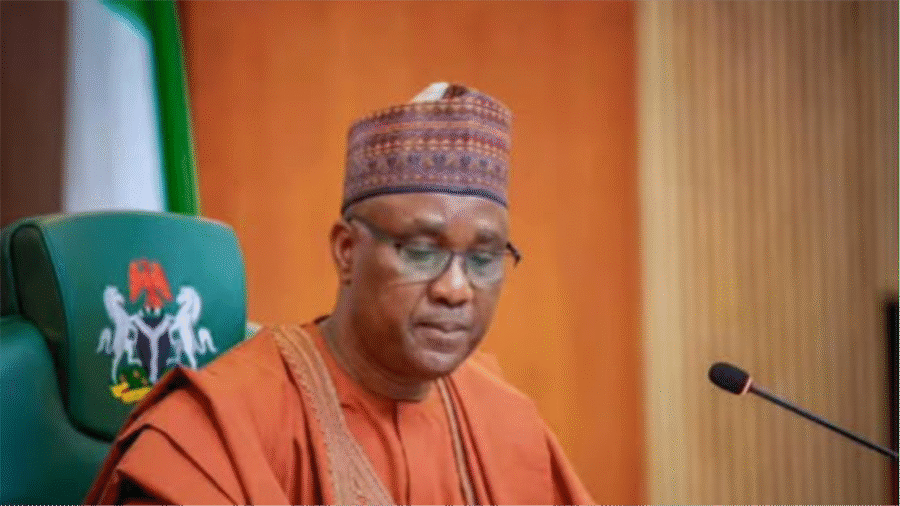
Speaker of the House of Representatives, Abbas Tajudeen, has called for justice and a transparent investigation following the deaths of 37 suspected illegal miners in the custody of the Nigeria Security and Civil Defence Corps (NSCDC) in Niger State.
Tajudeen, in a condolence message on Monday, described the deaths as “painful, unfortunate, and avoidable” and sympathised with the families of the deceased as well as the Niger State Government.
The deaths occurred after the suspects were arrested during anti-illegal mining operations in the M.I. Wushishi and Lukoto areas of the state on September 15 and 16. The NSCDC initially attributed the deaths to a suspected disease outbreak, while authorities have said investigations and medical examinations are required to establish the actual cause.
The Federal Government has since suspended the NSCDC Niger State Commandant and other officers linked to the incident. A 10-member independent committee has also been constituted to establish the identities of the deceased and investigate their arrest, detention, the conditions in custody and the circumstances surrounding their deaths. The committee has two weeks to submit its report.
But beyond condolences and suspensions, a crucial question remains: what happens next for the victims and their families?
Tajudeen said justice must not only be done but must also be seen to have been done. He called for the investigation to establish responsibility and provide solutions to issues including detention conditions, suspects’ rights and welfare.
For the families, however, justice must go beyond an investigation report. They need clear answers about how their loved ones died, accountability where wrongdoing is established, and appropriate redress where applicable. The Interior Ministry has said the investigation will consider compensation where applicable.
As the probe continues, the focus will therefore be on whether the government can provide a credible account of what happened, hold those responsible accountable where evidence supports it, and ensure that the families of the deceased are not left with unanswered questions after the public attention moves on.
The question now is not only who will be held accountable, but what justice will look like for the victims and the families left behind.
Blessing Anolaba
Editorial & Creative Correspondent
A storyteller and journalist passionate about telling stories for policy change and impact.
Add a Comment