

After the Bloodshed: Senate Orders Military Audit as Questions Deepen Over Nigeria’s Counterinsurgency Efforts
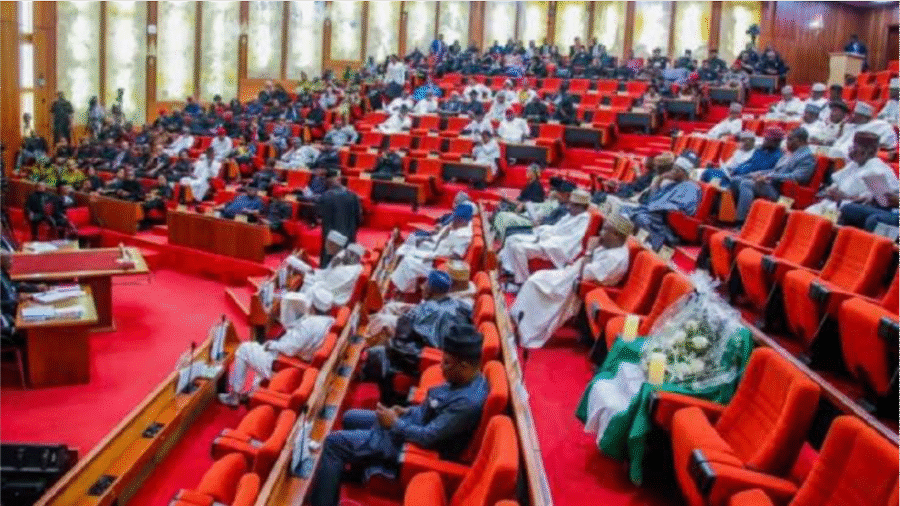
Nigeria’s upper legislative chamber, the Nigerian Senate, has ordered a comprehensive audit of the country’s military following renewed deadly attacks by Boko Haram in Borno State.
The decision signals growing unease among lawmakers over the persistence of insurgent violence in the North-East, despite years of sustained military campaigns and significant public spending on defence. The proposed probe will assess operational effectiveness, funding utilization, and the overall readiness of Nigeria’s armed forces.
This intervention comes against the backdrop of recent attacks that have claimed lives, displaced communities, and further strained an already dire humanitarian situation in Borno. For many legislators, the pattern is familiar—and increasingly unacceptable. Concerns are mounting that recurring security lapses point not just to battlefield challenges, but to deeper systemic failures within Nigeria’s security architecture.
Central to the audit will be a review of procurement processes, troop welfare, intelligence coordination, and the deployment of resources in frontline states. These are not new pressure points. For years, analysts and civil society actors have raised alarms about opaque defence spending and weak oversight mechanisms that limit accountability.
The Senate’s move reflects intensifying political pressure to rethink Nigeria’s counterinsurgency strategy. While military force remains essential, there is a growing recognition that without transparency and institutional reform, tactical gains may continue to be reversed by strategic weaknesses.
For citizens, the stakes are clear. Public trust in the military’s ability to provide security is eroding, particularly in communities that have endured repeated cycles of violence. An audit, if conducted credibly, offers an opportunity not just to identify gaps but to reset priorities—ensuring that resources allocated in the name of security translate into real protection on the ground.
What remains uncertain, however, is whether this process will lead to meaningful reform or become another procedural response to crisis. Without clear timelines, public disclosure of findings, and concrete policy actions, the risk is that accountability will once again be deferred.
As Nigeria confronts a protracted insurgency, the Senate’s directive could mark a turning point—but only if it moves beyond symbolism to deliver measurable change in how security is governed and delivered.
Blessing Anolaba
Editorial & Creative Correspondent
A storyteller and journalist passionate about telling stories for policy change and impact.
Add a Comment