

El Niño Threatens to Worsen Nigeria’s Power Crisis, Raise Heat-Related Deaths
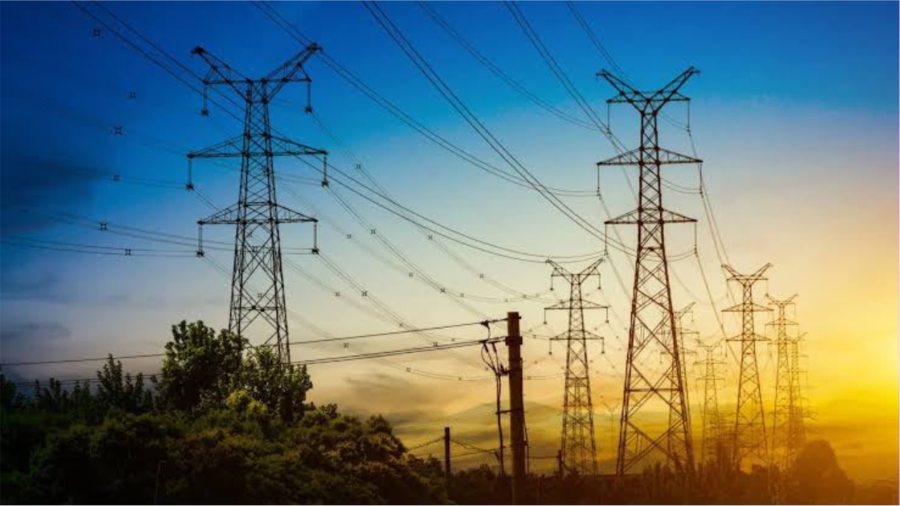
Nigeria’s unreliable electricity supply could worsen the impact of an intensifying El Niño, leaving millions of households and businesses struggling with rising cooling costs, operational disruptions and increased exposure to heat-related health risks.
The country already faces one of the world’s largest electricity access gaps, with approximately 92 million people lacking access to electricity, according to Austria-based Sustainable Energy for All, an international organisation working in partnership with the United Nations.
The challenge is compounded by projections from researchers at the University of Chicago’s Climate Impact Lab, who estimate that Nigeria could record an additional 31,400 heat-related deaths between September 2026 and February 2027 as El Niño intensifies. The projection places Nigeria among the countries expected to bear the heaviest toll from the weather phenomenon, contributing to an estimated 66,800 additional deaths across Africa’s Sahel region.
The looming threat comes as Nigeria’s electricity distribution companies struggle to secure adequate power supply from the national grid, forcing consumers to contend with inconsistent electricity and shorter supply hours. As temperatures rise, households and businesses may become increasingly dependent on generators, inverters and other costly alternatives to power fans, air conditioners and essential equipment, further straining already stretched budgets.
For a country where access to reliable electricity remains a persistent challenge, the combination of extreme heat and an unstable power supply raises concerns about public health, productivity and the ability of vulnerable communities to cope with prolonged periods of high temperatures.
Editorial & Creative Correspondent
A storyteller and journalist passionate about telling stories for policy change and impact.
Add a Comment