

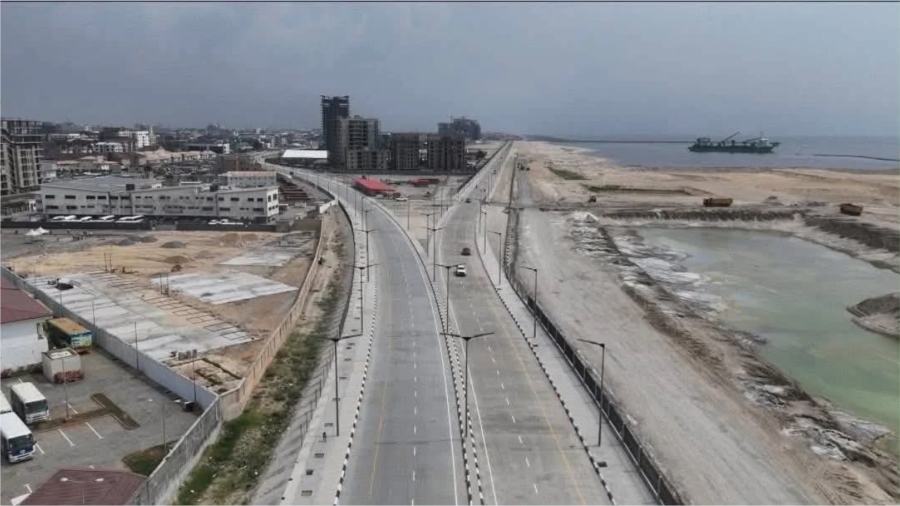
Lagos-Calabar Highway Rerouting Raises Questions Over N15trn Project
The Federal Government’s decision to reroute sections of the Lagos-Calabar Coastal Highway through the existing East-West Road has reignited questions about the planning, procurement process, engineering assessments and environmental implications of one of Nigeria’s most expensive infrastructure projects.
The 700-kilometre coastal highway, estimated to cost about N15 trillion, was conceived to connect coastal communities across the South-West and South-South regions, improving transportation, trade, tourism, real estate development and access to marine logistics infrastructure.
Construction began in March 2024 under President Bola Tinubu’s administration, with the project expected to link Lagos to other coastal states and strengthen economic activities along Nigeria’s Atlantic coastline.
However, the latest decision to alter sections of the route has raised questions about the considerations behind the original alignment, the assessments that informed the proposed change and whether the adjustments could affect the project’s overall cost, timeline and delivery.
Minister of Works, Dave Umahi, disclosed the development over the weekend, saying Tinubu had directed that the highway should follow the existing East-West Road from Ondo State into Edo State instead of creating a new alignment along that corridor.
According to Umahi, the President instructed the ministry to avoid constructing a new route where existing road infrastructure could be incorporated into the coastal highway.
“Divert, do not do any new alignments. Pass the coastal highway through the existing East-West Road,” Umahi quoted the President as saying.
The directive suggests a shift towards using existing infrastructure along the affected corridor rather than pursuing an entirely new route. However, the implications of the change will depend on the technical condition of the existing road, the extent of rehabilitation required and how the revised alignment will connect with other sections of the coastal highway.
Beyond the immediate engineering considerations, the development places renewed attention on the planning and approval processes for the project. For an undertaking of this scale, changes to the route raise important questions about whether updated feasibility studies, environmental impact assessments, land acquisition reviews and cost evaluations will be required before construction proceeds along the revised corridor.
Environmental considerations are particularly significant given the highway’s coastal setting, where construction can affect wetlands, waterways, mangroves, fishing communities and other sensitive ecosystems. Any substantial change in alignment may require a review of the environmental risks and mitigation measures associated with the affected sections.
The procurement implications also remain an important consideration. A change in route could affect existing construction contracts, project specifications, compensation arrangements and the division of work among contractors. Transparency around any contract variations, revised cost estimates and the basis for the changes would help establish whether the adjustment represents a more efficient use of public resources.
The Lagos-Calabar Coastal Highway has attracted considerable public attention because of its scale, cost and potential economic benefits, as well as concerns about expenditure priorities, compensation for affected communities and the transparency of project implementation.
Supporters of the highway argue that improved coastal connectivity could reduce travel time, facilitate the movement of goods and open up new investment opportunities across several states. However, the realisation of these benefits will depend on effective project management, sound engineering decisions and safeguards against unnecessary cost increases.
The latest rerouting decision therefore raises a broader question about how major infrastructure projects are planned and adjusted after construction has commenced, particularly when they involve substantial public expenditure.
While incorporating existing road infrastructure could potentially reduce the need for new construction along parts of the corridor, the financial and environmental benefits cannot be established without clear technical assessments and transparent disclosure of the revised plans.
The Federal Government’s handling of the adjustment will be closely watched as construction continues on a project that is expected to reshape transportation and economic activity along Nigeria’s coastline.
Editorial & Creative Correspondent
A storyteller and journalist passionate about telling stories for policy change and impact.
Add a Comment