

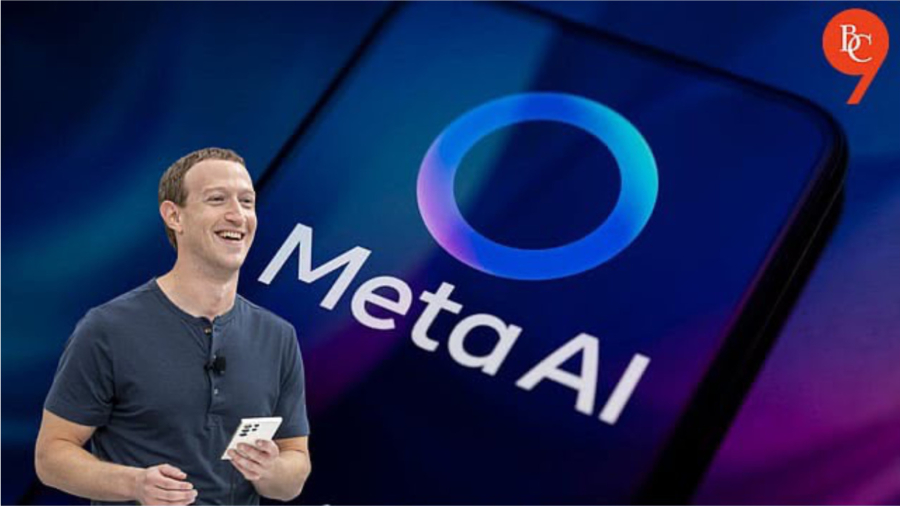
Meta Puts Its AI “Muse” on Your Face
The technology giant is turning smart glasses into something more ambitious: a personal artificial-intelligence agent that can work alongside you throughout the day.
Exclusive to Ekocity | Technology & Innovation Desk
The next generation of artificial intelligence may not live inside a smartphone. It may sit on your face. At Meta Connect 2026, Meta announced that its Muse personal AI agent is coming to its expanding family of AI glasses, taking the company’s wearable strategy another step beyond cameras, music and voice commands.
Meta describes Muse as an AI agent rather than a conventional chatbot. Instead of merely answering questions, it is designed to help users accomplish tasks, manage projects and turn longer-term goals into action plans.
Now, that intelligence is moving with the user. The significance is easy to miss. A smartphone requires a person to stop, reach into a pocket, unlock a screen and interact with an application. Meta’s vision is different: AI should be available without interrupting the moment.
A user could ask the glasses for information, directions, translations or assistance while continuing to walk, work, travel or interact with other people. Meta says its AI glasses can already provide features such as live translation, information and location-based assistance. With Muse, the company wants the glasses to become a more persistent personal assistant.
The hardware push is equally significant. Meta announced Ray-Ban Meta Audio, its first audio-only glasses, weighing just 43 grams and offering up to 12 hours of use on a charge. Prices begin at $349, with shipping scheduled for October 13.
The company is also expanding its broader AI-glasses portfolio across Ray-Ban, Oakley and Meta Glasses, with more than 100 styles expected by the end of 2026. But Meta’s ambition comes with a difficult question: privacy.
AI glasses can hear conversations, see surroundings and potentially capture sensitive moments. Regulators and privacy advocates are already scrutinising smart glasses, particularly over recording and consent.
That makes Muse more than a technology story. It is a test of whether consumers will accept an AI companion that is constantly close to their eyes, ears and daily lives. Meta is betting they will. If the bet succeeds, the smartphone may remain in our pockets — but increasingly, the interface to the digital world could be sitting on our faces.

Fawumi Kayode Abiodun
Political Analyst | CEO, Ekocity Media | Publisher, Ekocity Magazine and The Capitol Post
Add a Comment