

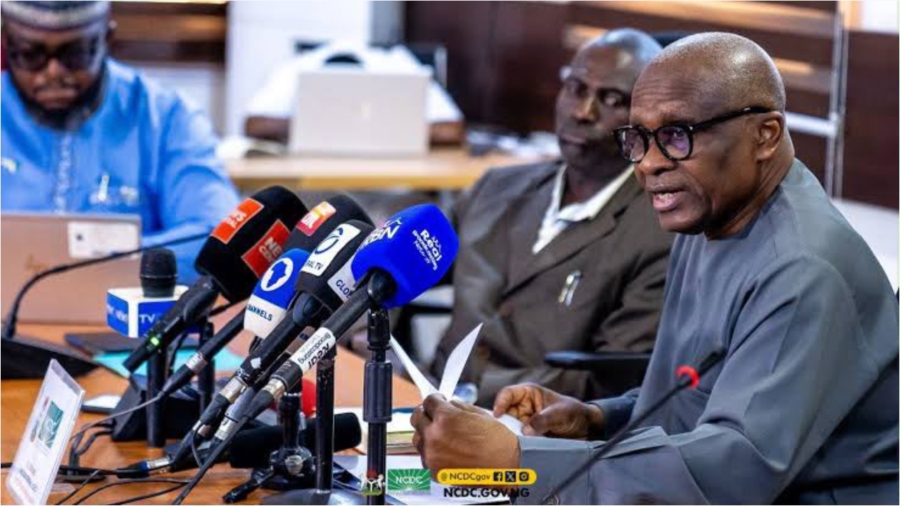
Nigeria Monitors 53 Ebola Contacts as Kenya Records Nine Cases
Nigeria has increased the number of people being monitored for possible Ebola exposure to 53, up from the initial 44, following the confirmation of one case in the country.
The Director-General of the Nigeria Centre for Disease Control and Prevention (NCDC), Jide Idris, disclosed this on Sunday in Abuja, noting that the contacts include healthcare workers, household staff and the patient’s husband, a Swiss diplomat.
Idris said no additional cases had been confirmed in Nigeria, adding that the patient’s husband had continued to test negative for the virus. Health authorities are also intensifying efforts to identify and trace other people who may have been exposed.
The NCDC has activated its national incident management system at the highest level of coordination to strengthen surveillance and response efforts.
As part of its preparedness measures, authorities have identified 12 laboratories across the country capable of testing for Ebola. The University of Abuja Teaching Hospital has also been designated as an isolation centre should additional cases emerge.
The development follows genomic analysis announced by Health Minister Muhammad Ali Pate on Friday, which found that the virus detected in Nigeria was genetically closely related to the strain identified in Kenya’s first confirmed case.
However, officials cautioned that the genetic similarity does not establish a direct epidemiological link between the cases or explain how the Nigerian patient contracted the virus.
Investigations have focused partly on the movements of both patients, who reportedly travelled through Uganda’s Entebbe International Airport on October 3. Authorities are examining their travel histories and possible connections as part of ongoing efforts to determine the circumstances surrounding the infections.
Meanwhile, Kenya has reported nine confirmed Ebola cases, including one death, according to the World Health Organization’s October 23 update.
Health authorities in both countries are continuing surveillance and contact-tracing efforts to contain the outbreak and prevent further transmission.
Editorial & Creative Correspondent
A storyteller and journalist passionate about telling stories for policy change and impact.
Add a Comment