

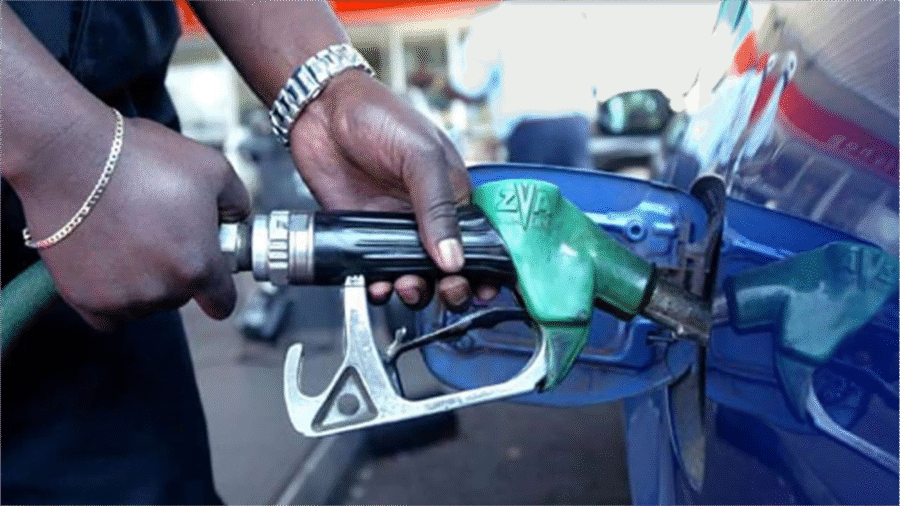
PETROAN Orders Nationwide Fuel-Pump Checks
As Nigeria’s regulator moves against under-dispensing, petrol retailers face a new test of consumer trust
Exclusive to Ekocity | Energy & Business Desk
Nigeria’s petrol stations are coming under a fresh nationwide compliance spotlight. The Petroleum Products Retail Outlets Association of Nigeria (PETROAN) has directed its members across the country to immediately inspect their fuel-dispensing meters following concerns raised by the Nigerian Midstream and Downstream Petroleum Regulatory Authority (NMDPRA) over alleged under-dispensing.
The directive was disclosed by PETROAN National President Billy Gillis-Harry during an appearance on Channels Television’s The Morning Brief. He said the association convened an emergency National Executive Council meeting after the regulator raised concerns about the accuracy of dispensing equipment.
The message to filling-station operators is straightforward: Check the pumps. Correct the faults. Give motorists what they paid for. According to Gillis-Harry, dispensing equipment can deteriorate through prolonged use, potentially causing pumps to deliver either less or more fuel than the quantity displayed. That distinction is important.
The issue is not necessarily that every discrepancy represents deliberate fraud. A faulty meter can malfunction in either direction. But for motorists already confronting elevated petrol prices and rising household costs, receiving less fuel than they have paid for can turn a technical fault into a serious consumer-protection issue.
The NMDPRA has warned that filling stations found short-changing consumers could face severe sanctions, including withdrawal of their operating licences. PETROAN says it is taking the warning seriously.
The association also works with the Weights and Measures Division of the Federal Ministry of Industry, Trade and Investment and NMDPRA on the accuracy and functionality of dispensing meters.
For motorists, the regulator and retailers have offered simple advice: watch the pump, confirm the quantity displayed and request a receipt. The timing is significant. Nigeria is experiencing renewed fuel-price pressure as global crude prices rise, with petrol prices reaching about ₦1,400 per litre in Lagos and Abuja and as high as ₦1,500 in parts of northern Nigeria.
When every litre costs more, every litre matters more. The nationwide pump checks therefore represent more than a technical exercise. They are a test of trust in Nigeria’s downstream petroleum market.
For consumers, the expectation is simple: If the pump says one litre, the tank should receive one litre. And if it does not, the regulator must ensure that someone answers for the difference.
Ekocity Energy & Business Desk

Fawumi Kayode Abiodun
Political Analyst | CEO, Ekocity Media | Publisher, Ekocity Magazine and The Capitol Post
Add a Comment