

FROM COUNCIL CHAIRMAN TO LEGISLATOR
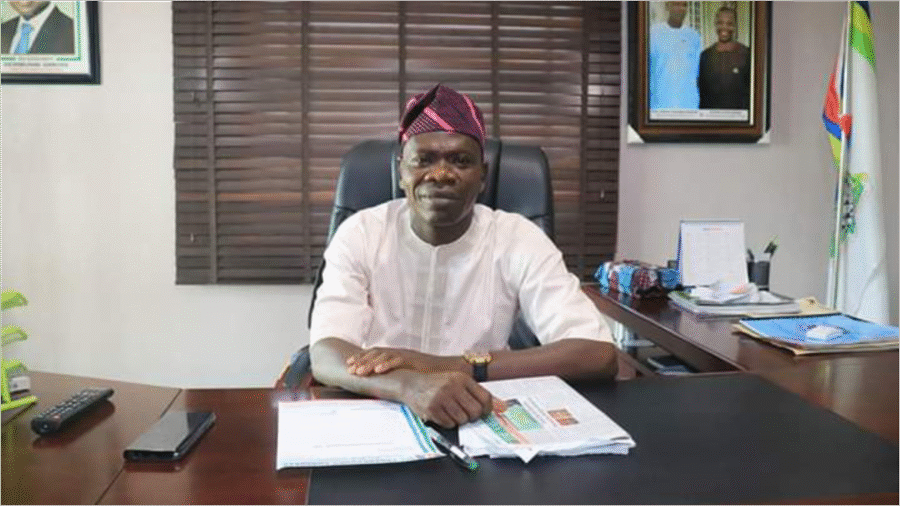
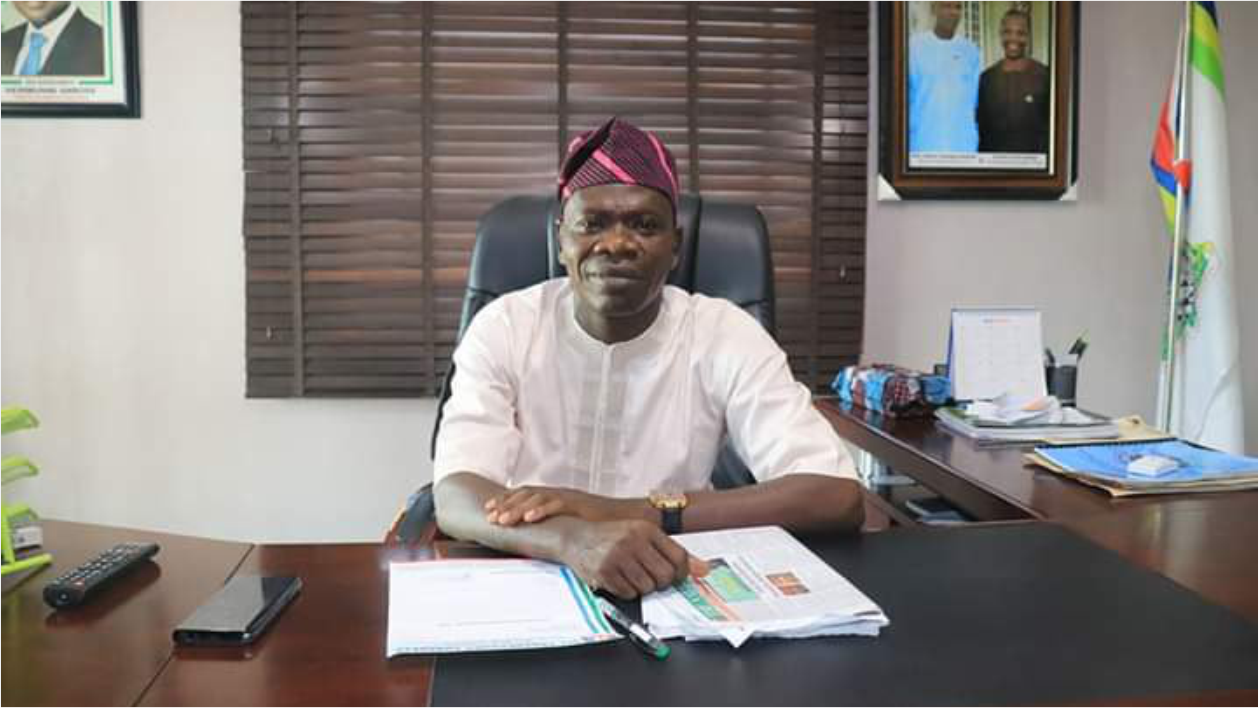
The move from local government executive to state legislator is significant. As chairman, Bankole was responsible for an executive administration with direct responsibility for local services and projects. The House of Assembly is different. Its central responsibilities include legislation, oversight and representation. If elected, Bankole would therefore have to translate an executive record into legislative effectiveness: scrutinising the state budget, representing constituency interests, influencing policy and holding the executive accountable. That distinction could define how voters judge him. BEYOND 2027
But there is an even bigger political question. What does Bankole’s return mean for Eti-Osa after 2027? His political relevance does not necessarily depend entirely on winning the Assembly seat. He has already demonstrated the ability to operate at the local-government executive level. He has built relationships with traditional institutions, community leaders, party structures and local stakeholders.
His 2017 campaign, documented at the time by Ekocity Magazine, presented him as a politician focused on integrated rural development and community engagement. That relationship-building could become important in the years ahead. Eti-Osa is no longer simply another Lagos constituency. It encompasses some of the state’s most commercially significant districts while also containing rapidly developing communities where infrastructure, housing, transportation, flooding, environmental management, security and access to public services remain politically important. The constituency is changing. Its politics will change with it.
THE REAL BANKOLE TEST
The strongest case for Bankole is therefore not nostalgia. It is performance. Can his previous record withstand scrutiny?
Can he demonstrate that his local-government experience translates into effective legislative representation? Can he build bridges with younger voters?
Can he maintain political relevance beyond one election cycle?
And can he turn a contest that began as an internal APC struggle into a broader argument about what kind of representation Eti-Osa wants in Lagos?
Those questions make Bankole more than a name on a 2027 ballot. They make him part of the larger struggle over the political future of Eti-Osa. For now, the constituency is watching two competing propositions: continuity through an incumbent legislator with considerable experience inside the Assembly, or a return to the political record of a former local-government chairman seeking to take that experience to the state level. The ultimate judgement will not be made in party offices. It will be made by voters. And for Bankole, the most important campaign may be the one he makes not about what he once promised, but about what he can now prove.

Fawumi Kayode Abiodun
Political Analyst | CEO, Ekocity Media | Publisher, Ekocity Magazine and The Capitol Post
Add a Comment